The Transformative Power of AI in In-Vitro Diagnostics

In the ever-evolving landscape of healthcare, artificial intelligence (AI) and machine learning are at the forefront of revolutionizing in-vitro diagnostic (IVD) tools. As highlighted in a recent article from BW Healthcare, these cutting-edge technologies are redefining diagnostics and enhancing healthcare outcomes on multiple fronts.
Enhanced Diagnostic Accuracy
AI’s ability to process vast datasets with remarkable speed and precision is unparalleled. By detecting patterns and anomalies often missed by human observation, AI-driven IVD platforms are paving the way for more accurate diagnostics. This advancement is particularly crucial in the early detection of diseases like cancer and genetic disorders.
Personalised Medicine
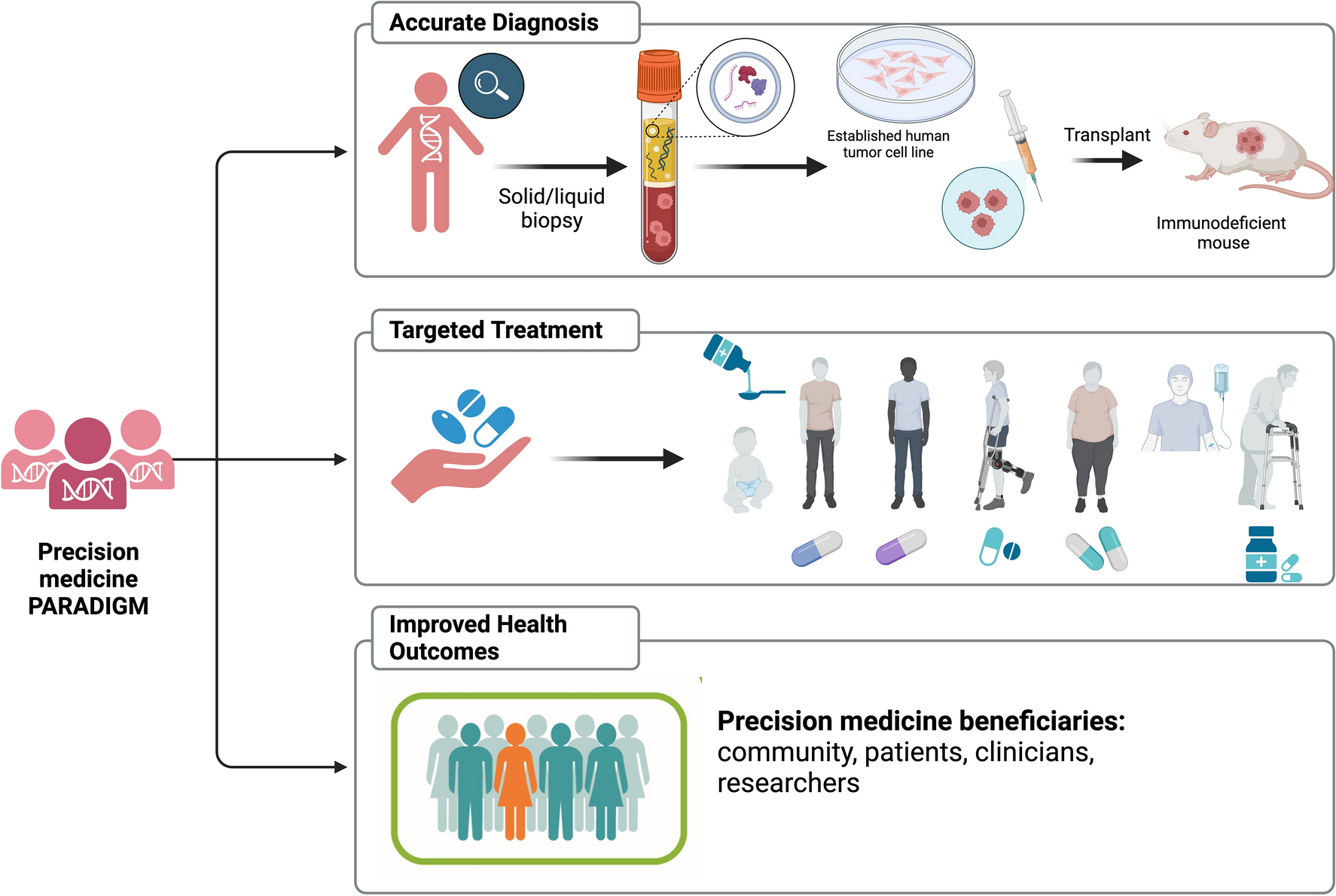
The era of one-size-fits-all treatment is fading into history. Machine learning enables the personalization of diagnostic results, tailoring treatments based on an individual’s genetic makeup and medical history. This approach not only improves patient outcomes but also guides personalized treatment plans for conditions such as diabetes and cardiovascular diseases.
Automation and Workflow Efficiency
In high-throughput environments like clinical laboratories, AI-powered IVD tools automate repetitive tasks, enhancing workflow efficiency and reducing human error. Automated systems can interpret complex data sets in real-time, thereby accelerating diagnosis and alleviating the workload on lab technicians.
Predictive Analytics
AI’s predictive capabilities are a game-changer in disease management. By analyzing historical and real-time data, AI algorithms can forecast disease outbreaks and progression, empowering healthcare systems to prepare for potential challenges proactively.
Integration with IoT and Wearables
The integration of AI-driven IVD tools with wearables and IoT devices is enabling continuous health monitoring. This seamless connectivity allows for real-time diagnostic data collection, facilitating proactive disease management and early interventions.
Cost Reduction
AI’s role in reducing healthcare costs cannot be overstated. By minimizing diagnostic errors and streamlining procedures, AI-driven IVD tools significantly lower the financial burden on healthcare systems.
Early Disease Prediction
AI’s prowess in processing large datasets is instrumental in the early prediction of diseases, even before symptoms manifest. This capability is invaluable in preventive healthcare, allowing for timely interventions and lifestyle modifications.
Standardisation and Reduction of Human Error
Ensuring consistency and standardization in diagnostic procedures, AI minimizes human error and variability, leading to more reliable and uniform results across different laboratories.
Self-Learning Diagnostic Tools
AI-powered IVD systems are continuously learning and adapting. As they process more diagnostic data, they improve their accuracy, making them invaluable assets in the healthcare sector.
Chandra ganjoo, group ceo, trivitron healthcare The author of the article is Chandra Ganjoo, Group CEO of Trivitron Healthcare, who eloquently outlines the transformative impact of AI and machine learning on in-vitro diagnostics.

More Articles

Getting licensed or staying ahead in your career can be a journey—but it doesn’t have to be overwhelming. Grab your favorite coffee or tea, take a moment to relax, and browse through our articles. Whether you’re just starting out or renewing your expertise, we’ve got tips, insights, and advice to keep you moving forward. Here’s to your success—one sip and one step at a time!

AI Transforming Health Care: Bridging Academic and Clinical Practices

Artificial intelligence (AI) is revolutionizing diagnostics, treatment, and patient care, with significant advancements particularly noted in fields like radiology and oncology.

AI Revolutionizes Cancer Diagnostics

AI tools are now being leveraged to analyze images and tissue samples, offering insights that surpass traditional methods. AI's integration into healthcare, particularly in oncology, marks a significant shift towards precision medicine.

By |November 19, 2024|Categories: Article, Healthcare, Technology|Tags: , |0 Comments

AI in Precision Medicine: Navigating Challenges and Embracing Opportunities

AI's potential to revolutionize healthcare lies in its ability to process vast amounts of data, uncover hidden patterns, and support clinical decision-making. It is particularly promising in the realms of drug development and clinical practice, where it can streamline processes, reduce costs, and improve patient experiences.

The Expanding Role of Telehealth in Nursing

Nurses, the unsung heroes on the front lines of patient care, are increasingly embracing telehealth technology as a core component of their roles. Telehealth offers a transformative opportunity to enhance patient outcomes and broaden access to healthcare. This shift is particularly pertinent in the face of an aging population and ongoing nursing shortages.

By |November 19, 2024|Categories: Article, Nursing, Telehealth|Tags: , |0 Comments

AI Revolutionizing Healthcare: From Diagnostics to Pandemics

AI enhances the ability to interpret medical images such as X-rays and MRIs, often surpassing human accuracy. By identifying patterns that even seasoned professionals might miss, AI complements human expertise, improving diagnostic precision.


By |November 18, 2024|Categories: Article, Healthcare, Technology|Tags: , |0 Comments