The U.S. Housing Market Slows, Shifts, and Normalizes: What 2026 Really Means for Today’s Professionals
The U.S. housing market is officially entering a new era—one defined not by scarcity, but by normalization and demand-driven behavior. Housing inventory growth has slowed to 10% year over year, a major cooldown from the 33% surge seen in mid‑2025. According to fresh reporting from HousingWire, this marks the beginning of a more balanced, sustainable 2026 market.
“Year-over-year housing inventory growth has slowed to single digits, from 33% at one point last year to 9.99%…” said HousingWire Lead Analyst Logan Mohtashami. He continued, noting sweeping headlines from Trump announcing a ban on Wall Street investors buying single-family homes to GSE-directed MBS purchases.
With evolving rates, political movement, and cooling momentum, the 2026 market is shifting quickly—and professionals across real estate, lending, building, and investing must adjust their strategy to stay competitive.
Demand Takes the Driver’s Seat
The story of 2026… isn’t scarcity. It’s demand intelligence.
Pricing is becoming more rate-sensitive, seasonal patterns are returning, and transaction volumes are slimmer but smarter. Winning in this environment requires a sharp read on local demand—something skilled agents and well-trained professionals can leverage far better than during the frenetic, ultra-low inventory years.
Pro Tip: If you’re entering real estate or leveling up your professional game, this type of market rewards strategy and knowledge. Cameron Academy offers education built to help you stay ahead in shifting cycles with practical, data-smart training.
Inventory Slows, Seasonality Returns
While inventory is still up 10% year over year, the rate of growth is slowing. Even more telling: inventory dipped between January 2–9, hinting at the return of predictable winter bottoms and spring build-ups.
“We would want the seasonal bottom to happen in February… more supply means less price growth and better affordability.”
A February trough would signal a welcome return to normal spring listing behavior—an essential rhythm for agents, lenders, builders, and buyers.
New Listings: The 2026 Bottleneck
New listings dipped to 39,007 for the week ending January 9, down 12.6% year over year—one of the most significant constraints heading into spring.
Mohtashami notes that the real benchmark for success isn’t a return to 80,000 weekly listings during peak season—but surpassing it. Until that happens, inventory expansion and transaction volume will lag behind historical norms.
Price Discovery Takes Center Stage
Sellers no longer hold the leverage they wielded during the pandemic’s peak frenzy. Today:
Median days on market: 91
Price cuts: 34.7% of homes
Price increases: only 2.4%
This creates a negotiation-focused landscape—deliberate, rate-sensitive, and far healthier than the bidding-war chaos of 2021–2022.
Pending sales reached 39,841 this week, down 2.4% from 2025, signaling a thinner but stable environment.
Rates Shape Buyer Psychology and Movement
Mortgage rates sitting near 6% are reshaping buyer calculations, seller motivations, and move-up opportunities. Last year’s spike toward 7.26% froze many decisions; today’s rates encourage them.
“Unlike the start of 2025… we are near 6% — with the Trump administration bent on getting housing going again.”
The difference between 6% and 7% may seem small—but it dramatically impacts affordability, refinancing, family relocations, and investor strategy.
How Professionals Should Use This Data
Agents & Brokerages
Time listings around normalizing seasonality.
Educate clients on negotiation-based pricing—not panic-driven urgency.
Lenders & Mortgage Professionals
Explain rate elasticity—how small rate movements shift buyer behavior.
Use pending-sales data to manage pipelines.
Builders & Developers
Prepare for stronger competition from resales.
Offer incentives aligned with buyer comparisons.
Investors & Portfolio Managers
Treat price cuts as normal market function—not distress.
Incorporate rate volatility and policy shifts into timing models.
Want to stay ahead of these industry shifts? Cameron Academy provides licensing and continuing education for real estate, mortgage, insurance, and other professionals who want to thrive in evolving markets.
2026: The First Truly Balanced Market in Years
After years of extremes—from pandemic surges to inventory droughts—the U.S. housing market is finally settling into a healthy middle ground. Mohtashami highlights that 2026 will feature “close‑to‑normal spreads and many rate cuts already in the system,” creating a far more predictable and stable year.
All data reflects single-family homes nationwide as of January 9, 2026. Explore deeper analyses and localized reports through HousingWire’s HW Data resources.
More Articles
Getting licensed or staying ahead in your career can be a journey—but it doesn’t have to be overwhelming. Grab your favorite coffee or tea, take a moment to relax, and browse through our articles. Whether you’re just starting out or renewing your expertise, we’ve got tips, insights, and advice to keep you moving forward. Here’s to your success—one sip and one step at a time!
Newman Properties, a Massachusetts-based investment firm, has expanded its footprint into Connecticut with the $3.65 million acquisition of a 6,350‑square‑foot retail building in Enfield. Anchored by national restaurant chain Red Robin, the property offers the type of stable tenancy investors seek when entering new markets. The deal underscores growing confidence in anchored retail assets and provides a valuable real-world example for real estate professionals studying market analysis, investment strategy, and portfolio expansion.
JPMorgan now expects national home prices to flatten in 2026, but the Sunbelt is telling a very different story. Florida home values are down 5.1%, Texas is down 2.4%, and analysts warn that years of rapid building are finally catching up to the region. As demand stabilizes and inventory swells, real estate professionals — especially in Florida — face a market full of challenges, opportunities, and critical timing decisions.
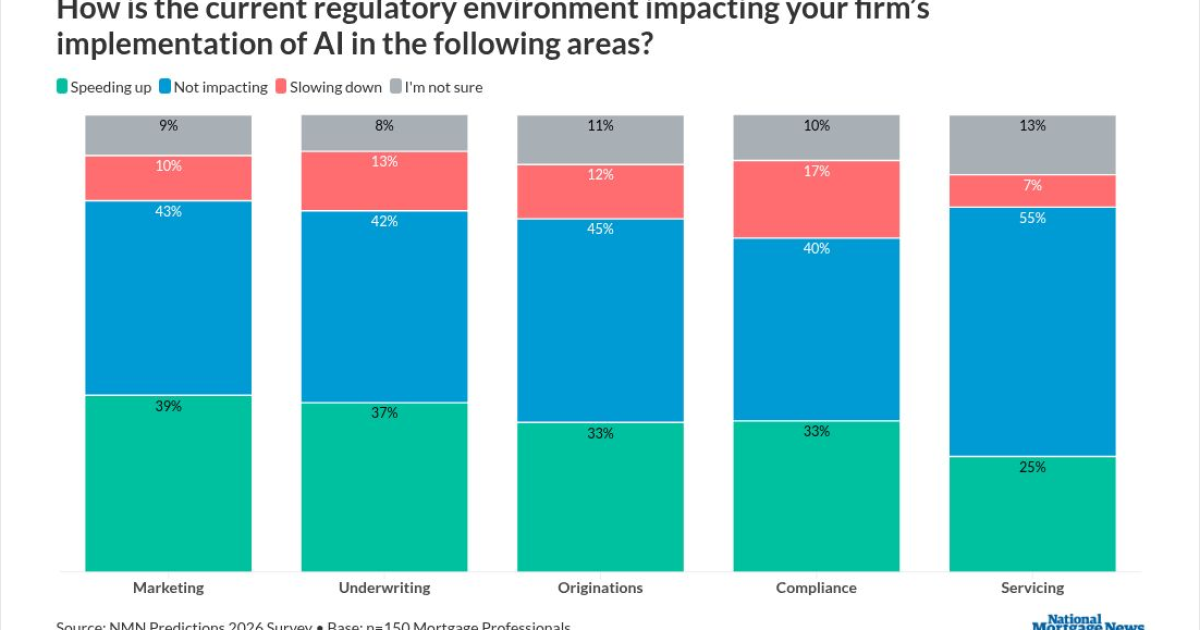
Artificial intelligence is finally stepping into the mortgage underwriting spotlight, with 57% of mortgage professionals predicting it will drive the most transformative industry shift in 2026. Thanks to major advancements in language models and workflow automation, AI is now capable of navigating the messy, document-heavy realities that have long slowed underwriting. From faster preapprovals to improved credit analysis and real‑time income verification, AI is streamlining processes while allowing underwriters to focus on true risk management. As regulatory winds shift and grassroots pressure builds within lending teams, the industry is entering a pivotal era where AI‑powered underwriting becomes not just an advantage — but an expectation.
Portland’s top 20 office towers have lost an unprecedented 70% of their value since 2019—plunging from $3 billion to under $1 billion—triggering tax revenue shortfalls, budget crises, and a surge in appeals as the city grapples with its biggest commercial real estate reset in modern history.
South Florida’s luxury real estate market just raised the bar again — this time with a $1 million virtual reality system that lets buyers walk through Dolce & Gabbana’s upcoming Miami tower long before construction wraps. Real estate master’s students were given an immersive look inside the project, discovering how VR is transforming high‑end development, influencing buyer psychology, and shaping the future skills today’s professionals need.
Long Island’s commercial real estate scene is kicking off 2026 with a surge of activity—industrial leases in Medford, neighborhood retail trades in Bohemia, Pizza Hut’s new DELCO expansion in Centereach, mixed‑use acquisitions in Melville, and major investor interest in bank‑leased and franchise-backed properties. From warehouses to restaurant rebrands, these deals highlight a region evolving fast and offering fresh opportunities for agents, investors, and professionals looking to stay ahead in the market.