The U.S. Housing Market Slows, Shifts, and Normalizes: What 2026 Really Means for Today’s Professionals
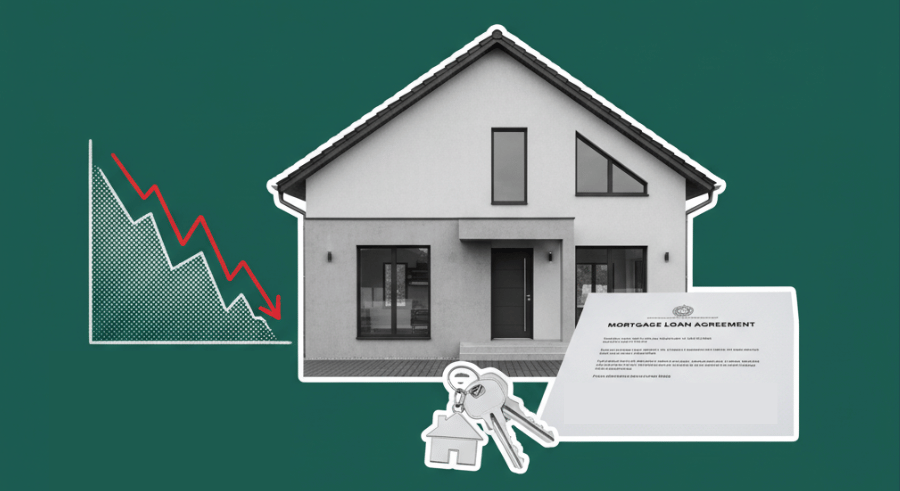
The U.S. housing market is officially entering a new era—one defined not by scarcity, but by normalization and demand-driven behavior. Housing inventory growth has slowed to 10% year over year, a major cooldown from the 33% surge seen in mid‑2025. According to fresh reporting from HousingWire, this marks the beginning of a more balanced, sustainable 2026 market.
“Year-over-year housing inventory growth has slowed to single digits, from 33% at one point last year to 9.99%…” said HousingWire Lead Analyst Logan Mohtashami. He continued, noting sweeping headlines from Trump announcing a ban on Wall Street investors buying single-family homes to GSE-directed MBS purchases.
With evolving rates, political movement, and cooling momentum, the 2026 market is shifting quickly—and professionals across real estate, lending, building, and investing must adjust their strategy to stay competitive.
Demand Takes the Driver’s Seat
The story of 2026… isn’t scarcity. It’s demand intelligence.
Pricing is becoming more rate-sensitive, seasonal patterns are returning, and transaction volumes are slimmer but smarter. Winning in this environment requires a sharp read on local demand—something skilled agents and well-trained professionals can leverage far better than during the frenetic, ultra-low inventory years.
Pro Tip: If you’re entering real estate or leveling up your professional game, this type of market rewards strategy and knowledge. Cameron Academy offers education built to help you stay ahead in shifting cycles with practical, data-smart training.
Inventory Slows, Seasonality Returns
While inventory is still up 10% year over year, the rate of growth is slowing. Even more telling: inventory dipped between January 2–9, hinting at the return of predictable winter bottoms and spring build-ups.
“We would want the seasonal bottom to happen in February… more supply means less price growth and better affordability.”
A February trough would signal a welcome return to normal spring listing behavior—an essential rhythm for agents, lenders, builders, and buyers.
New Listings: The 2026 Bottleneck
New listings dipped to 39,007 for the week ending January 9, down 12.6% year over year—one of the most significant constraints heading into spring.
Mohtashami notes that the real benchmark for success isn’t a return to 80,000 weekly listings during peak season—but surpassing it. Until that happens, inventory expansion and transaction volume will lag behind historical norms.
Price Discovery Takes Center Stage
Sellers no longer hold the leverage they wielded during the pandemic’s peak frenzy. Today:
Median days on market: 91
Price cuts: 34.7% of homes
Price increases: only 2.4%
This creates a negotiation-focused landscape—deliberate, rate-sensitive, and far healthier than the bidding-war chaos of 2021–2022.
Pending sales reached 39,841 this week, down 2.4% from 2025, signaling a thinner but stable environment.
Rates Shape Buyer Psychology and Movement
Mortgage rates sitting near 6% are reshaping buyer calculations, seller motivations, and move-up opportunities. Last year’s spike toward 7.26% froze many decisions; today’s rates encourage them.
“Unlike the start of 2025… we are near 6% — with the Trump administration bent on getting housing going again.”
The difference between 6% and 7% may seem small—but it dramatically impacts affordability, refinancing, family relocations, and investor strategy.
How Professionals Should Use This Data
Agents & Brokerages
Time listings around normalizing seasonality.
Educate clients on negotiation-based pricing—not panic-driven urgency.
Lenders & Mortgage Professionals
Explain rate elasticity—how small rate movements shift buyer behavior.
Use pending-sales data to manage pipelines.
Builders & Developers
Prepare for stronger competition from resales.
Offer incentives aligned with buyer comparisons.
Investors & Portfolio Managers
Treat price cuts as normal market function—not distress.
Incorporate rate volatility and policy shifts into timing models.
Want to stay ahead of these industry shifts? Cameron Academy provides licensing and continuing education for real estate, mortgage, insurance, and other professionals who want to thrive in evolving markets.
2026: The First Truly Balanced Market in Years
After years of extremes—from pandemic surges to inventory droughts—the U.S. housing market is finally settling into a healthy middle ground. Mohtashami highlights that 2026 will feature “close‑to‑normal spreads and many rate cuts already in the system,” creating a far more predictable and stable year.
All data reflects single-family homes nationwide as of January 9, 2026. Explore deeper analyses and localized reports through HousingWire’s HW Data resources.
More Articles
Getting licensed or staying ahead in your career can be a journey—but it doesn’t have to be overwhelming. Grab your favorite coffee or tea, take a moment to relax, and browse through our articles. Whether you’re just starting out or renewing your expertise, we’ve got tips, insights, and advice to keep you moving forward. Here’s to your success—one sip and one step at a time!
The title and real estate industries are entering their most dramatic compliance overhaul in decades. FinCEN’s new anti‑money‑laundering rule now applies to every state, enforces a first‑dollar reporting requirement, and places full responsibility on settlement agents. With the rule already in effect and mandatory reporting beginning March 1, 2026, professionals face urgent operational changes involving software, training, and entity‑buyer disclosures. Combined with state‑level rate shifts and heightened scrutiny of attorney opinion letters, 2025 marks a turning point that demands stronger compliance literacy across the entire real estate and finance ecosystem.
Retirement planning went through major changes in 2025, from new SECURE Act updates to shifting investment behaviors. As we move into 2026, seven key trends are reshaping how Americans save and build long‑term wealth. These shifts matter not only for everyday investors but also for professionals across real estate, finance, mortgage, insurance, and other licensed fields. Understanding these developments can help you strengthen your own financial strategy while staying competitive in your career.
Florida’s housing market is cooling faster than any other state, and soaring insurance premiums are the primary force driving buyers away. With cancellation rates in major metros topping 20%, steep price drops across Southwest Florida, rising HOA and condo fees, and thousands of homes added to new flood zones, many buyers are discovering that insurance—not the mortgage—is what kills the deal. As Citizens shrinks and new legislation raises coverage requirements, professionals in real estate, mortgage, and insurance must adapt quickly to a market where affordability hinges on risk, regulation, and rising premiums.
Commercial real estate is entering 2026 with renewed optimism as pricing floors, revitalized capital markets, and improved market visibility signal a shift away from the volatility of 2025. Analysts from Deloitte, Colliers, Cushman & Wakefield, and CoStar highlight firmer fundamentals, rising deal flow, and increased lender participation. Key sectors such as office, industrial, retail, multifamily, and data centers are showing distinct recovery patterns, positioning industry professionals and students for new opportunities in the year ahead.
Florida’s property insurance market is finally stabilizing after years of storms, lawsuits, and rising rates — yet many homeowners are still seeing higher bills. The reason isn’t the rates themselves but soaring replacement values driven by inflation in labor and building materials. Even as insurers lower rates, the cost to rebuild a home continues to rise, making up roughly 75% of recent premium increases. With new insurers entering the market and reforms taking effect, homeowners now have more options to shop, recalculate coverage, and control their costs.
The 2026 job market is shifting fast, and the biggest winners will be professionals who can prove they’re continuously learning. With more than 90% of employers now preferring candidates with microcredentials, short targeted certificates are becoming the new career currency. From AI and data skills to modern communication and adaptability, microcredentials are helping workers stand out in a competitive landscape — especially as industries like real estate, mortgage, insurance, and finance demand ongoing upskilling.