The U.S. Housing Market Slows, Shifts, and Normalizes: What 2026 Really Means for Today’s Professionals
The U.S. housing market is officially entering a new era—one defined not by scarcity, but by normalization and demand-driven behavior. Housing inventory growth has slowed to 10% year over year, a major cooldown from the 33% surge seen in mid‑2025. According to fresh reporting from HousingWire, this marks the beginning of a more balanced, sustainable 2026 market.
“Year-over-year housing inventory growth has slowed to single digits, from 33% at one point last year to 9.99%…” said HousingWire Lead Analyst Logan Mohtashami. He continued, noting sweeping headlines from Trump announcing a ban on Wall Street investors buying single-family homes to GSE-directed MBS purchases.
With evolving rates, political movement, and cooling momentum, the 2026 market is shifting quickly—and professionals across real estate, lending, building, and investing must adjust their strategy to stay competitive.
Demand Takes the Driver’s Seat
The story of 2026… isn’t scarcity. It’s demand intelligence.
Pricing is becoming more rate-sensitive, seasonal patterns are returning, and transaction volumes are slimmer but smarter. Winning in this environment requires a sharp read on local demand—something skilled agents and well-trained professionals can leverage far better than during the frenetic, ultra-low inventory years.
Pro Tip: If you’re entering real estate or leveling up your professional game, this type of market rewards strategy and knowledge. Cameron Academy offers education built to help you stay ahead in shifting cycles with practical, data-smart training.
Inventory Slows, Seasonality Returns
While inventory is still up 10% year over year, the rate of growth is slowing. Even more telling: inventory dipped between January 2–9, hinting at the return of predictable winter bottoms and spring build-ups.
“We would want the seasonal bottom to happen in February… more supply means less price growth and better affordability.”
A February trough would signal a welcome return to normal spring listing behavior—an essential rhythm for agents, lenders, builders, and buyers.
New Listings: The 2026 Bottleneck
New listings dipped to 39,007 for the week ending January 9, down 12.6% year over year—one of the most significant constraints heading into spring.
Mohtashami notes that the real benchmark for success isn’t a return to 80,000 weekly listings during peak season—but surpassing it. Until that happens, inventory expansion and transaction volume will lag behind historical norms.
Price Discovery Takes Center Stage
Sellers no longer hold the leverage they wielded during the pandemic’s peak frenzy. Today:
Median days on market: 91
Price cuts: 34.7% of homes
Price increases: only 2.4%
This creates a negotiation-focused landscape—deliberate, rate-sensitive, and far healthier than the bidding-war chaos of 2021–2022.
Pending sales reached 39,841 this week, down 2.4% from 2025, signaling a thinner but stable environment.
Rates Shape Buyer Psychology and Movement
Mortgage rates sitting near 6% are reshaping buyer calculations, seller motivations, and move-up opportunities. Last year’s spike toward 7.26% froze many decisions; today’s rates encourage them.
“Unlike the start of 2025… we are near 6% — with the Trump administration bent on getting housing going again.”
The difference between 6% and 7% may seem small—but it dramatically impacts affordability, refinancing, family relocations, and investor strategy.
How Professionals Should Use This Data
Agents & Brokerages
Time listings around normalizing seasonality.
Educate clients on negotiation-based pricing—not panic-driven urgency.
Lenders & Mortgage Professionals
Explain rate elasticity—how small rate movements shift buyer behavior.
Use pending-sales data to manage pipelines.
Builders & Developers
Prepare for stronger competition from resales.
Offer incentives aligned with buyer comparisons.
Investors & Portfolio Managers
Treat price cuts as normal market function—not distress.
Incorporate rate volatility and policy shifts into timing models.
Want to stay ahead of these industry shifts? Cameron Academy provides licensing and continuing education for real estate, mortgage, insurance, and other professionals who want to thrive in evolving markets.
2026: The First Truly Balanced Market in Years
After years of extremes—from pandemic surges to inventory droughts—the U.S. housing market is finally settling into a healthy middle ground. Mohtashami highlights that 2026 will feature “close‑to‑normal spreads and many rate cuts already in the system,” creating a far more predictable and stable year.
All data reflects single-family homes nationwide as of January 9, 2026. Explore deeper analyses and localized reports through HousingWire’s HW Data resources.
More Articles
Getting licensed or staying ahead in your career can be a journey—but it doesn’t have to be overwhelming. Grab your favorite coffee or tea, take a moment to relax, and browse through our articles. Whether you’re just starting out or renewing your expertise, we’ve got tips, insights, and advice to keep you moving forward. Here’s to your success—one sip and one step at a time!
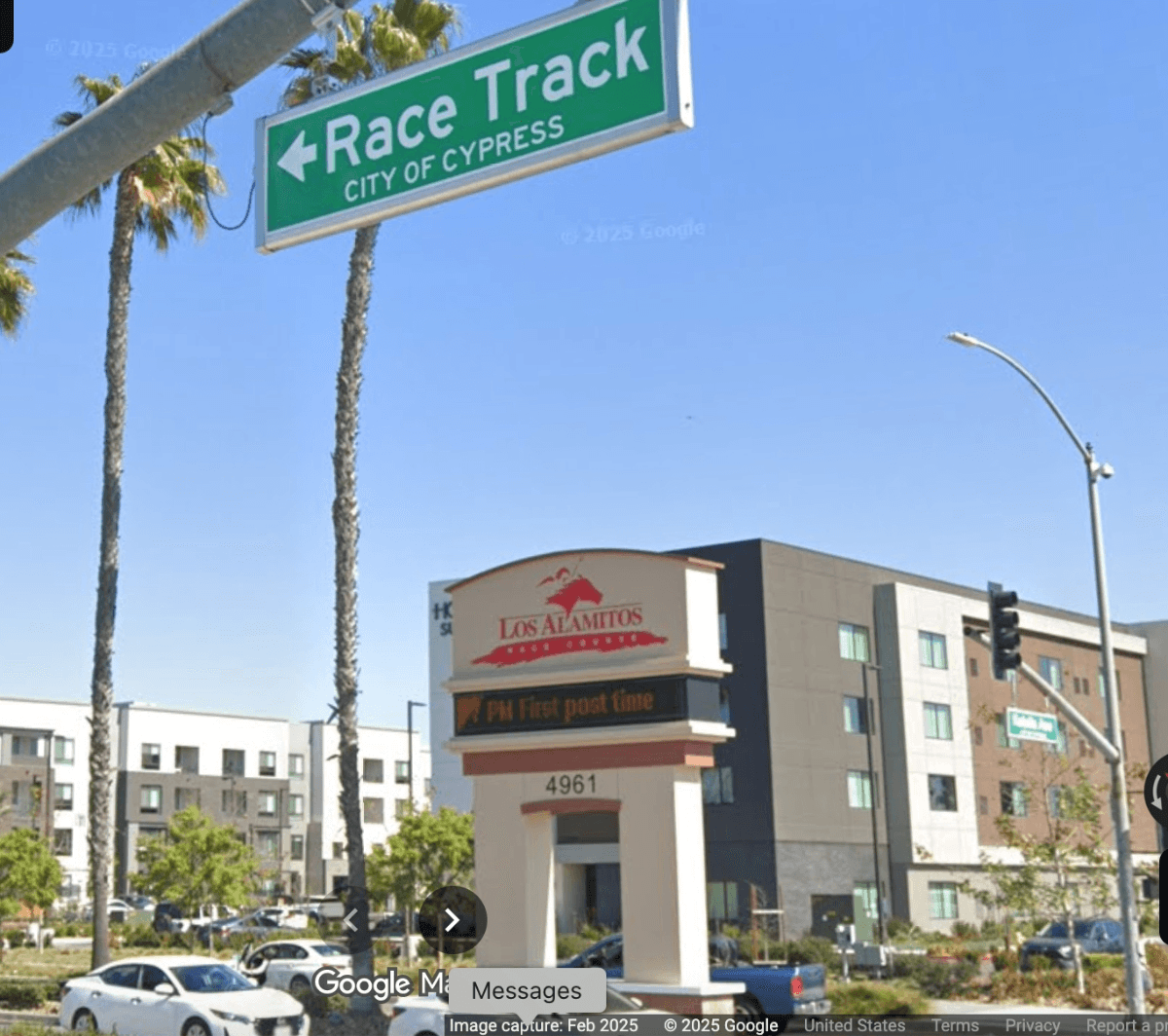
Los Alamitos Race Course is facing its most serious crisis in years after 18 horses died in 2025, prompting regulators to warn the track that its racing license is at risk without immediate safety reforms. Following three catastrophic injuries in a single day, the California Horse Racing Board has ordered urgent changes—including more veterinarians, stricter medication rules, and enhanced on‑track medical support—as pressure mounts for stronger oversight in a sport already under national scrutiny.
Canadian investors have poured more than US$5.8 billion into U.S. commercial real estate this year, making the U.S. their top destination even amid a lingering tariff dispute. Tight inventory in Canada and greater deal availability south of the border are driving the trend, with data centers and industrial properties emerging as the hottest targets for 2025.
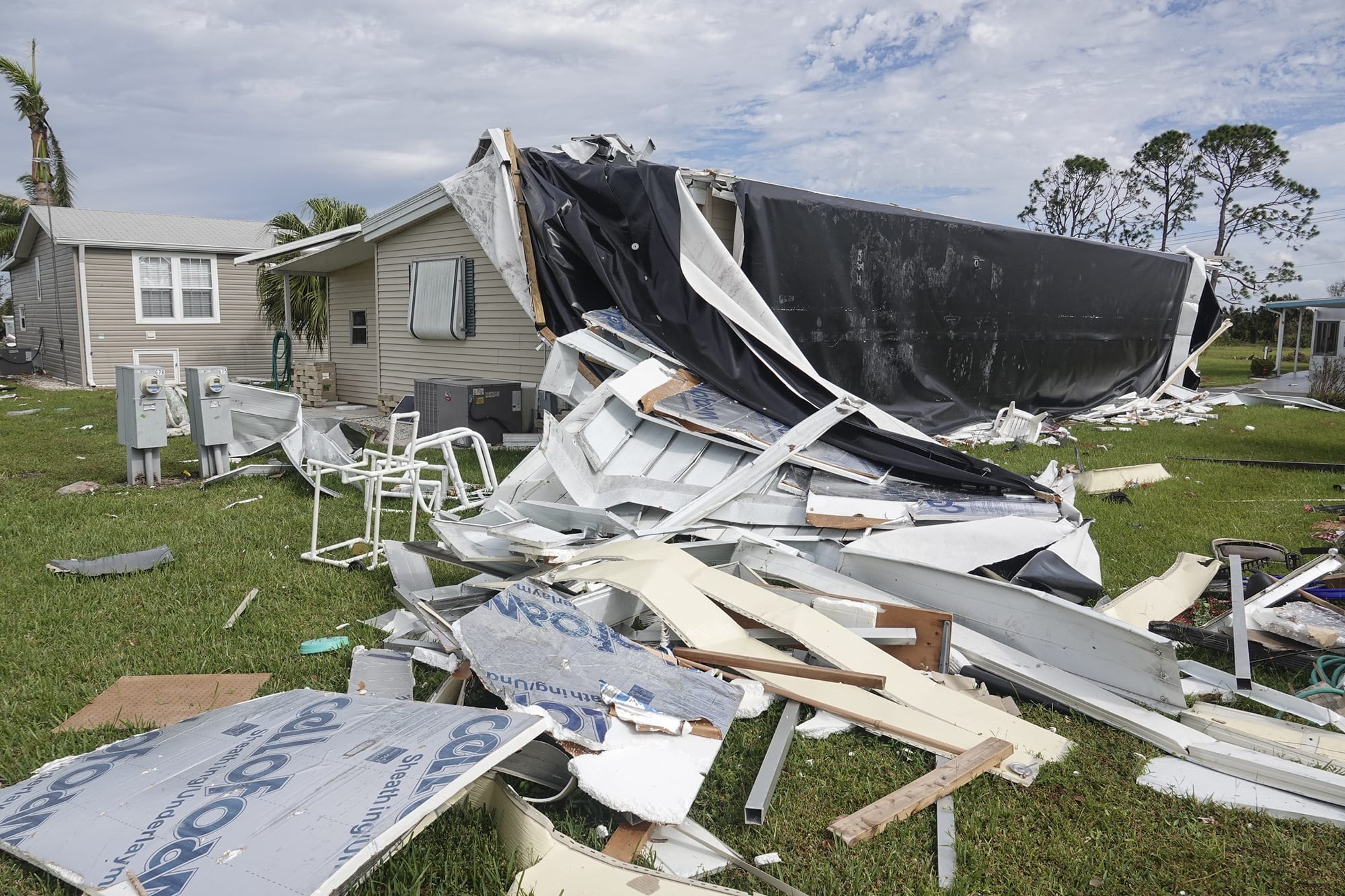
Florida’s insurance commissioner says even industry pros struggle to read today’s 150‑page homeowners policies—leaving residents shocked when hurricane claims are denied. With rising premiums, high replacement costs, and widespread confusion over exclusions like flood and water damage, the state is pushing for simpler, clearer policy language so homeowners know what they’re actually covered for before the next storm hits.
Following the 2025 elections, major metros like New York, Chicago, Miami, Los Angeles, and Boston are implementing policy shifts that could reshape property values, rental income, development timelines, and investment strategy heading into 2026. From New York’s push toward aggressive rent reform to Chicago’s sustainability mandates and Miami’s uncertain mayoral runoff, these changes signal a new era where local politics increasingly dictate market performance. This breakdown highlights the biggest post‑election real estate pivots and what they mean for investors, agents, and finance professionals preparing for a rapidly evolving landscape.
Florida’s Insurance Commissioner is sounding the alarm after thousands of homeowners discovered—only after hurricanes Helene and Milton—that the coverage they thought they had didn’t exist. With nearly 150,000 unpaid claims tied to misunderstood flood exclusions, water‑damage caps, and buried policy clauses, state leaders are pushing to simplify the dense, confusing documents most Floridians never read. As insurance costs remain one of the state’s top concerns, this growing complexity is creating a massive opportunity for real estate, mortgage, and insurance professionals to guide consumers before disaster strikes.
Florida’s insurance market is reliving an old crisis under a new name. Despite reforms meant to stabilize the system, homeowners are being forced out of Citizens and into pricier policies from small insurers with shaky financial histories. Companies tied to past insolvencies are returning with fresh branding, while highly rated carriers continue to deny a majority of claims. With political influence muddying regulation and climate risks rising, experts warn that only a full structural overhaul—not cosmetic reforms—can restore confidence for homeowners, agents, and the entire real estate market.