The Waldorf Astoria’s Billion-Dollar Test: Is Commercial Real Estate Finally Recovering?
Few buildings in America carry the cultural weight of Manhattan’s Waldorf Astoria. Once home to icons like Cole Porter, Frank Sinatra, and Marilyn Monroe — and even the site of Grace Kelly’s famed engagement party — this legendary landmark is stepping back into the spotlight, this time as a potential catalyst for a commercial real estate revival.
A report from The Daily Upside reveals that the Chinese state-run company that owns the property may list it for sale. The last transaction occurred in 2014 when China’s Anbang Insurance Group purchased the hotel for $1.95 billion — then poured more than $1 billion above budget into renovations. Now, its rumored sale price could exceed a billion dollars, even if it means Beijing taking a substantial loss.
A Sale That Signals a Turning Market
The timing is striking. After several turbulent years marked by inflation spikes, tariff battles, and even a 43-day government shutdown in late 2025, commercial real estate has been fighting uphill. But new indicators suggest a shift — perhaps even a resurgence.
Research from NAIOP showed that in 2025 alone, new commercial projects added $3.5 trillion to U.S. GDP. Firms such as JPMorgan and CBRE now forecast an increasingly optimistic 2026, hinting that momentum may finally be accelerating.
Market Optimism at a Glance
JPMorgan anticipates a rise in transactions in 2026, fueled by stronger fundamentals and renewed capital stability.
CBRE predicts commercial real estate investment will surge 16% to reach $562 billion — nearly back to pre-pandemic levels.
Automation Anxiety in Real Estate Services
However, not all areas of the industry are celebrating. Service-sector giants like CBRE, JLL, Hudson Pacific Properties, and Cushman & Wakefield are wrestling with investor concerns over AI-driven disruption. As artificial intelligence continues reshaping industries from software to law, the ripple is now hitting brokerage operations, staffing models, and property valuation services.
What This Means for Today’s and Tomorrow’s Professionals
Whether you’re in real estate, mortgage lending, construction, or finance, the Waldorf’s highly anticipated sale is more than a flashy headline — it’s a preview of how capital will move, how properties will be evaluated, and how competitive the market may become in the next cycle. Staying informed is no longer optional; it’s essential.
Institutions like Cameron Academy help professionals stay licensed, educated, and ahead of disruptive trends across all 50 states. With the market on the cusp of a new phase, now is the perfect time to strengthen your credentials or explore new opportunities in real estate and beyond.
To explore the full reporting behind this story, visit The Daily Upside for more insights and ongoing coverage.
More Articles
Getting licensed or staying ahead in your career can be a journey—but it doesn’t have to be overwhelming. Grab your favorite coffee or tea, take a moment to relax, and browse through our articles. Whether you’re just starting out or renewing your expertise, we’ve got tips, insights, and advice to keep you moving forward. Here’s to your success—one sip and one step at a time!
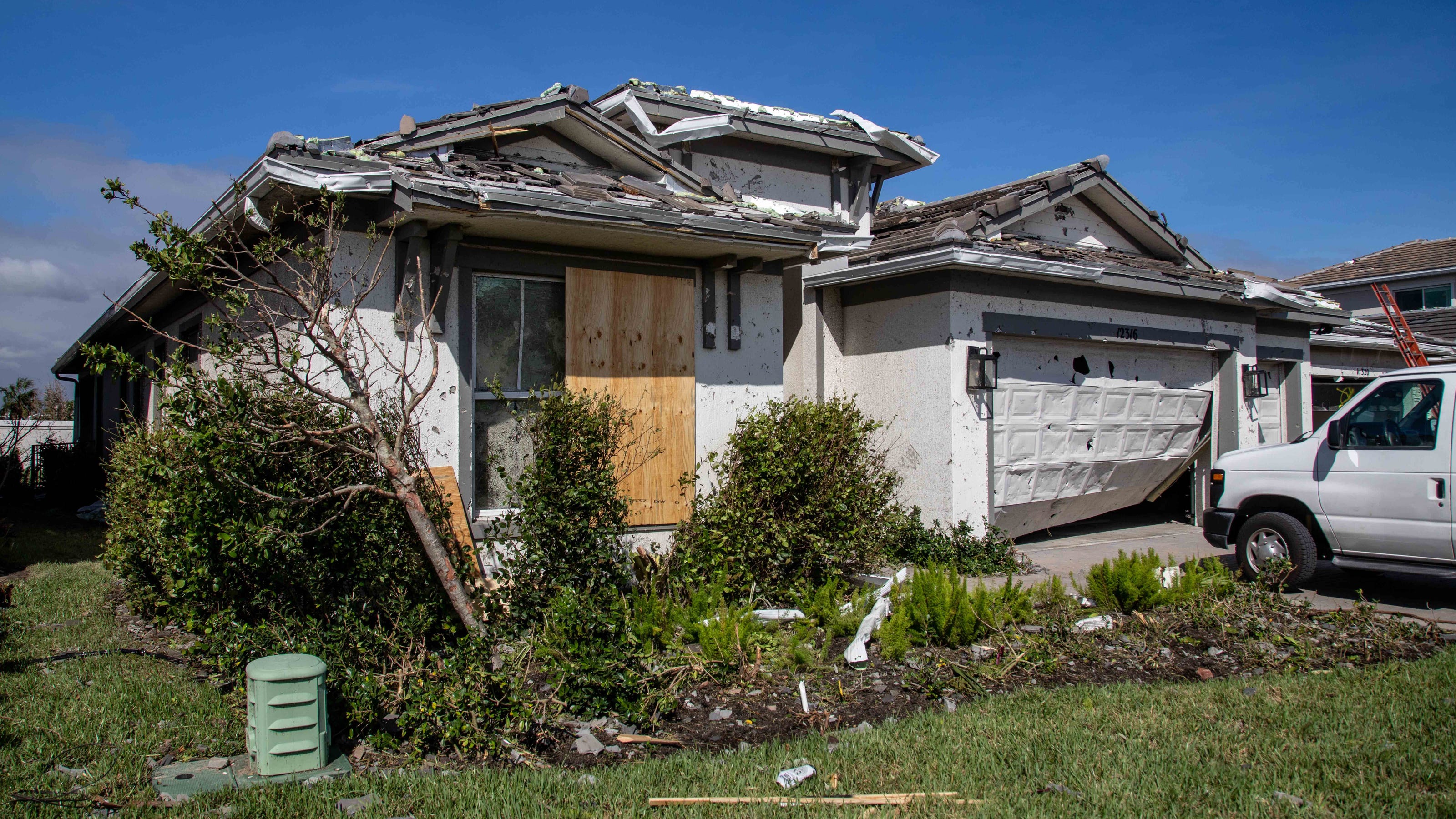
Nevada has enacted a first‑in‑the‑nation law permitting insurers to sell homeowners policies that exclude wildfire coverage, a move supporters say could help stabilize premiums but critics warn may leave homeowners financially devastated. The policy shift positions Nevada as a testing ground for potential nationwide changes, raising major implications for real estate, mortgage, and insurance professionals as lenders, high‑risk communities, and regulators navigate the evolving landscape.
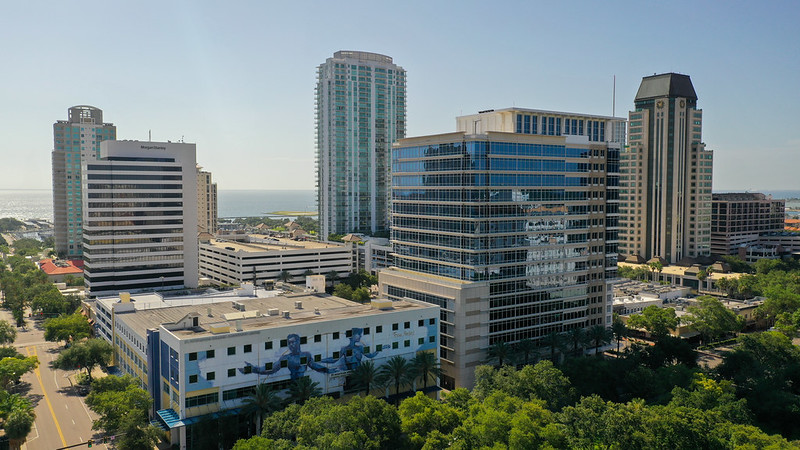
Tampa Bay’s office sector just delivered its most powerful year in nearly a decade, according to JLL’s Q4 2025 report. With more than 600,000 square feet of positive net absorption, falling vacancies, shrinking inventory, and major tenants like Fisher Investments and GEICO locking in massive leases, the region is emerging as one of the nation’s strongest post‑recovery office markets. The surge in demand for high‑quality space is driving rents up, tightening supply, and setting the stage for continued momentum into 2026.
The Consumer Financial Protection Bureau has proposed new updates to the Nationwide Mortgage Licensing System and Registry, expanding data collection, tightening verification standards, and refreshing record‑retention rules. These changes aim to strengthen background checks, enhance regulatory oversight, and align the system with federal requirements—impacting both current and aspiring mortgage loan originators nationwide.
Nevada has become the first state to let insurers sell homeowners policies that exclude wildfire coverage — a dramatic shift that could reshape insurance pricing across the West. Supporters say the move may lower premiums and spark innovation, while critics warn it could leave homeowners exposed to devastating losses. As regulators and insurers nationwide watch closely, the experiment could have major implications for real estate, mortgages, and insurance markets.
After years of soaring premiums and insurer failures, Florida lawmakers are rolling out a new slate of reforms aimed at finally delivering relief to homeowners. From cracking down on profit‑sharing affiliates to unveiling hidden rate factors and rewarding claim‑free residents, these proposals could reshape the state’s insurance landscape — and bring real savings to property owners and real estate professionals alike.
With traditional CRE lending slowing nationwide, C‑PACE financing is surging to all‑time highs — including a record‑setting $465 million loan for a major D.C. redevelopment. Backed by long repayment terms, fixed rates, and tax‑assessment security, C‑PACE is rapidly becoming a preferred tool for funding energy efficiency, resiliency upgrades, and even large‑scale project recapitalizations. Major players like Nuveen Green Capital and Peachtree Group are driving billions in new volume as 40 states adopt the program, signaling a major shift in how commercial real estate projects are financed.