The Waldorf Astoria’s Billion-Dollar Test: Is Commercial Real Estate Finally Recovering?
Few buildings in America carry the cultural weight of Manhattan’s Waldorf Astoria. Once home to icons like Cole Porter, Frank Sinatra, and Marilyn Monroe — and even the site of Grace Kelly’s famed engagement party — this legendary landmark is stepping back into the spotlight, this time as a potential catalyst for a commercial real estate revival.
A report from The Daily Upside reveals that the Chinese state-run company that owns the property may list it for sale. The last transaction occurred in 2014 when China’s Anbang Insurance Group purchased the hotel for $1.95 billion — then poured more than $1 billion above budget into renovations. Now, its rumored sale price could exceed a billion dollars, even if it means Beijing taking a substantial loss.
A Sale That Signals a Turning Market
The timing is striking. After several turbulent years marked by inflation spikes, tariff battles, and even a 43-day government shutdown in late 2025, commercial real estate has been fighting uphill. But new indicators suggest a shift — perhaps even a resurgence.
Research from NAIOP showed that in 2025 alone, new commercial projects added $3.5 trillion to U.S. GDP. Firms such as JPMorgan and CBRE now forecast an increasingly optimistic 2026, hinting that momentum may finally be accelerating.
Market Optimism at a Glance
JPMorgan anticipates a rise in transactions in 2026, fueled by stronger fundamentals and renewed capital stability.
CBRE predicts commercial real estate investment will surge 16% to reach $562 billion — nearly back to pre-pandemic levels.
Automation Anxiety in Real Estate Services
However, not all areas of the industry are celebrating. Service-sector giants like CBRE, JLL, Hudson Pacific Properties, and Cushman & Wakefield are wrestling with investor concerns over AI-driven disruption. As artificial intelligence continues reshaping industries from software to law, the ripple is now hitting brokerage operations, staffing models, and property valuation services.
What This Means for Today’s and Tomorrow’s Professionals
Whether you’re in real estate, mortgage lending, construction, or finance, the Waldorf’s highly anticipated sale is more than a flashy headline — it’s a preview of how capital will move, how properties will be evaluated, and how competitive the market may become in the next cycle. Staying informed is no longer optional; it’s essential.
Institutions like Cameron Academy help professionals stay licensed, educated, and ahead of disruptive trends across all 50 states. With the market on the cusp of a new phase, now is the perfect time to strengthen your credentials or explore new opportunities in real estate and beyond.
To explore the full reporting behind this story, visit The Daily Upside for more insights and ongoing coverage.
More Articles
Getting licensed or staying ahead in your career can be a journey—but it doesn’t have to be overwhelming. Grab your favorite coffee or tea, take a moment to relax, and browse through our articles. Whether you’re just starting out or renewing your expertise, we’ve got tips, insights, and advice to keep you moving forward. Here’s to your success—one sip and one step at a time!
Florida’s home insurance market is experiencing a wave of optimism as recent litigation reforms lead to fewer lawsuits, stronger insurer stability, and even rate reductions. With companies like Florida Peninsula lowering premiums and 17 new insurers entering the state, real estate, mortgage, and insurance professionals can expect smoother transactions, increased buyer confidence, and a more competitive market environment in the year ahead.
Mortgage rates have dipped to levels not seen since 2022, with the 30‑year fixed averaging just 6.361% and Freddie Mac reporting an even lower 6.06%. The drop is reshaping buyer affordability, sparking renewed market activity, and creating fresh opportunities for real estate professionals—especially in fast‑moving markets like Florida.
The 2026 housing market is shaping up to be one of the most pivotal in years, with mortgage rates showing slight relief, affordability shifting toward the Midwest and South, and buyers turning to options like ARMs and new‑construction homes. Early signals point to new opportunities for buyers, investors, and real‑estate professionals—especially those ready to navigate a market defined by moderate rate drops, regional affordability gaps, and builder‑driven incentives.
Ares Commercial Real Estate CEO Bryan Donohoe sold US$107k in shares this week, trimming his stake by 13% and adding to a pattern of insider selling with no insider purchases in the past 12 months. With insider ownership sitting at a modest 1.6%, the activity signals a cautious tone inside the company—something real estate, mortgage, and finance professionals may want to watch as they assess broader market confidence.
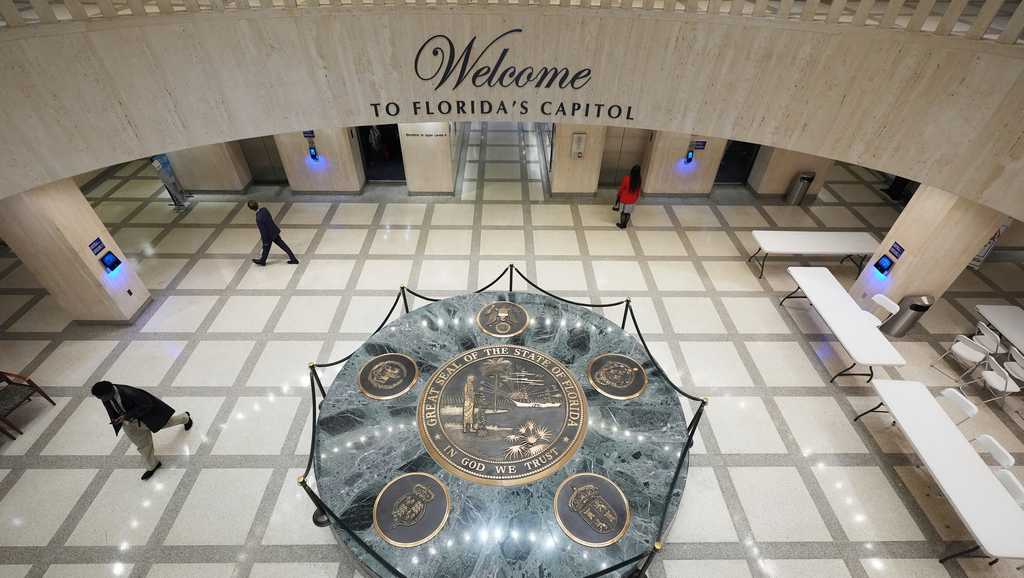
Florida’s 2026 legislative session is officially underway, launching a wave of high‑impact bills targeting property insurance reform, a proposal to eliminate property taxes, new education attendance requirements, and even an AI Bill of Rights. With over a hundred bills already filed, real estate agents, investors, insurers, educators, and other licensed professionals can expect significant regulatory shifts that may reshape Florida’s housing market, insurance costs, and professional compliance standards.
Warren Buffett’s timeless investing wisdom is more relevant than ever in 2026. Despite decades of market change, his core lesson remains the same: long‑term conviction outperforms short‑term prediction. From embracing occasional underperformance to avoiding emotional decisions, Buffett’s philosophy highlights why deep understanding and steady confidence are more valuable than trying to forecast market swings. This mindset isn’t just for investors—it’s a guiding principle for professionals looking to grow their careers with clarity and purpose.