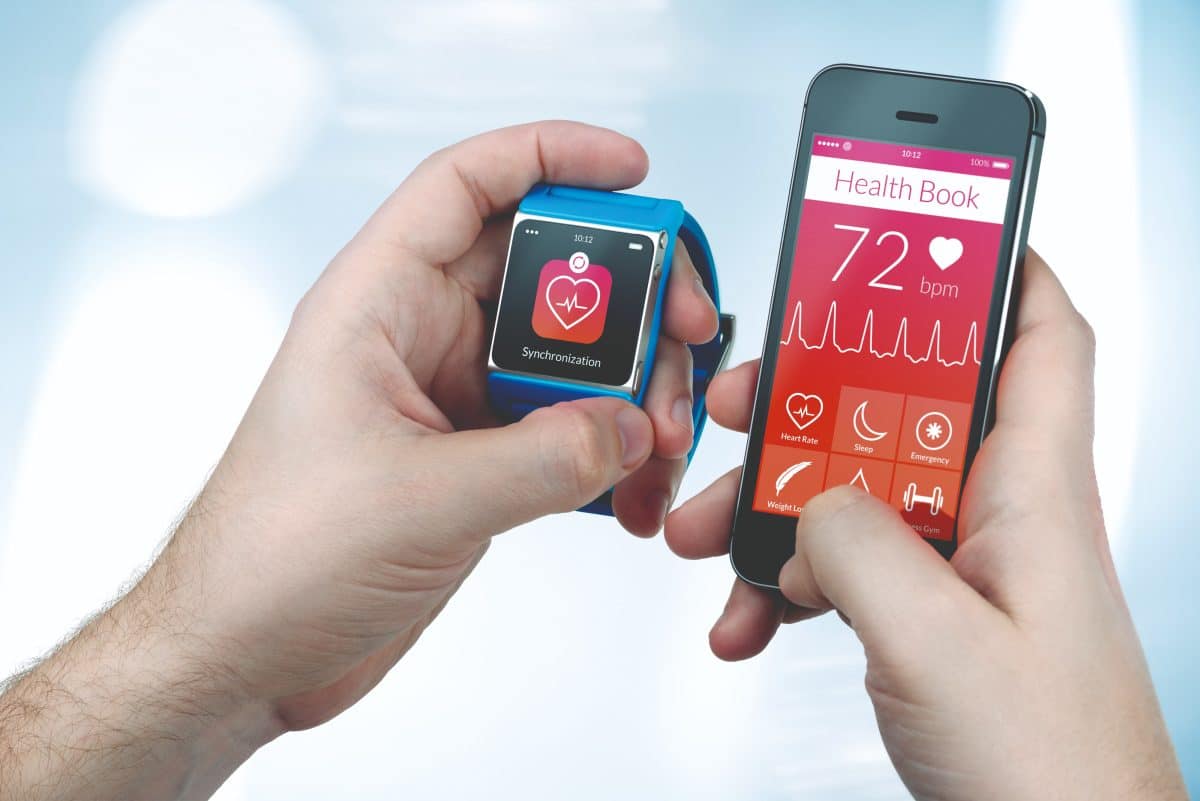
In the ever-evolving landscape of healthcare technology, wearables have emerged as pivotal tools in personal health management and medical practice. With roots tracing back to the 1970s, when the first calculator wristwatches appeared, these devices have undergone a remarkable transformation. The introduction of smartwatches in 2013 marked a significant leap, integrating a suite of health-monitoring features that have become indispensable, especially in light of insights gained during the COVID-19 pandemic.
Revolutionizing Health Monitoring
Modern wearables, particularly smartwatches, now offer functionalities such as heart rate monitoring, oxygen saturation, blood pressure tracking, and ECG readings. These features support the growing concepts of quantified self, body hacking, and self-surveillance, fostering a proactive approach to health management. This transformation is not just about technology but also about empowering individuals to take charge of their health.
Cardiovascular Health
Wearables have significantly impacted cardiovascular care. By enabling continuous monitoring of heart rate and ECG, these devices can detect life-threatening arrhythmias, prompting timely medical intervention. The ability to track blood pressure around the clock is invaluable for hypertension patients, aiding in the prevention of heart attacks, strokes, and renal failures.
Diabetes Management
For those managing diabetes, wearables offer a lifeline. Devices that monitor blood glucose levels provide critical data for both patients and healthcare providers, enabling precise insulin administration and minimizing the risk of complications such as diabetic retinopathy and kidney failure.
Lung Diseases
The pandemic underscored the importance of monitoring blood oxygen levels, a feature now common in smartwatches. This capability is crucial for patients with chronic lung conditions, helping them manage oxygen supplementation and improve their quality of life.
Innovations in Eye and Brain Health
Wearables are also making strides in eye and brain health. Smart lenses, equipped with microelectronic processing units, monitor intraocular pressure, offering new hope for glaucoma patients. Meanwhile, seizure alerting devices and VR headsets are breaking ground in managing neurological and psychiatric disorders, enhancing patients’ quality of life.
Challenges and Considerations
Despite their advantages, wearables are not without challenges. Concerns about data accuracy, device reliability, and the potential for false alerts persist. It’s crucial to view these devices as supportive tools rather than replacements for traditional healthcare interactions. As Dr. Mayur Manji Mewada, an authority in the field, notes, “Wearables are essential tools but cannot replace the necessity of professional medical advice and the traditional doctor-patient relationship.”
For more insights, refer to the original article here.
More Articles
Getting licensed or staying ahead in your career can be a journey—but it doesn’t have to be overwhelming. Grab your favorite coffee or tea, take a moment to relax, and browse through our articles. Whether you’re just starting out or renewing your expertise, we’ve got tips, insights, and advice to keep you moving forward. Here’s to your success—one sip and one step at a time!
A new CNBC Fed Survey reveals that economists expect just two additional interest rate cuts in 2026 and none in 2027, even if President Donald Trump appoints a more dovish Federal Reserve chair. Strong economic growth, stable inflation, and reduced recession fears are keeping rate‑cut expectations limited, signaling a more stable long‑term environment for real estate, mortgage, and financial professionals.
A nationwide insurance crisis is accelerating as climate‑driven disasters push premiums higher, force insurers out of multiple states, and reshape real estate and mortgage markets. Once limited to Florida and California, the instability now threatens 15 states where losses, extreme weather, and insurer withdrawals are creating mounting risks for homeowners and industry professionals alike.
Commercial real estate is entering 2026 with a cautious but strategic shift. Companies are ditching oversized offices in favor of smaller, higher‑quality spaces packed with amenities that attract today’s workforce. Downtown markets like Portland remain steady, while suburban vacancies rise and landlords get creative with incentives. Industrial real estate is cooling after years of explosive growth, and developers are hesitating—though multifamily and hotel projects continue to push forward. Overall, the theme of the year is patience, as businesses wait for clearer signals on interest rates, construction costs, and long‑term workplace trends.
A new study from leading urban scholars reveals that zoning laws and construction slowdowns aren’t the true cause of America’s housing crisis. Even with massive building booms, rents would barely drop for decades. The real culprit? Soaring economic inequality. Until the widening wealth gap is addressed, policies like upzoning and deregulation won’t make housing affordable for working Americans—and may even push prices higher.
Cambio, a fast‑growing AI proptech company, has secured an $18 million Series A at a $100 million valuation, aiming to overhaul how commercial real estate firms process documents and make investment decisions. By converting messy PDFs, spreadsheets, and audit files into investor‑ready insights in minutes, the platform is rapidly expanding—now active in 35 countries and managing data for over 2 billion square feet of assets.
Florida’s insurance market is finally showing signs of real recovery heading into 2026. Industry leaders say recent legal reforms have sharply reduced lawsuits, allowing insurers to stabilize rates — and even introduce reductions for the first time in years. With new companies entering the state and solvency at its strongest level in more than a decade, real estate and mortgage professionals may benefit from improved buyer confidence and smoother closings as insurance becomes more predictable again.