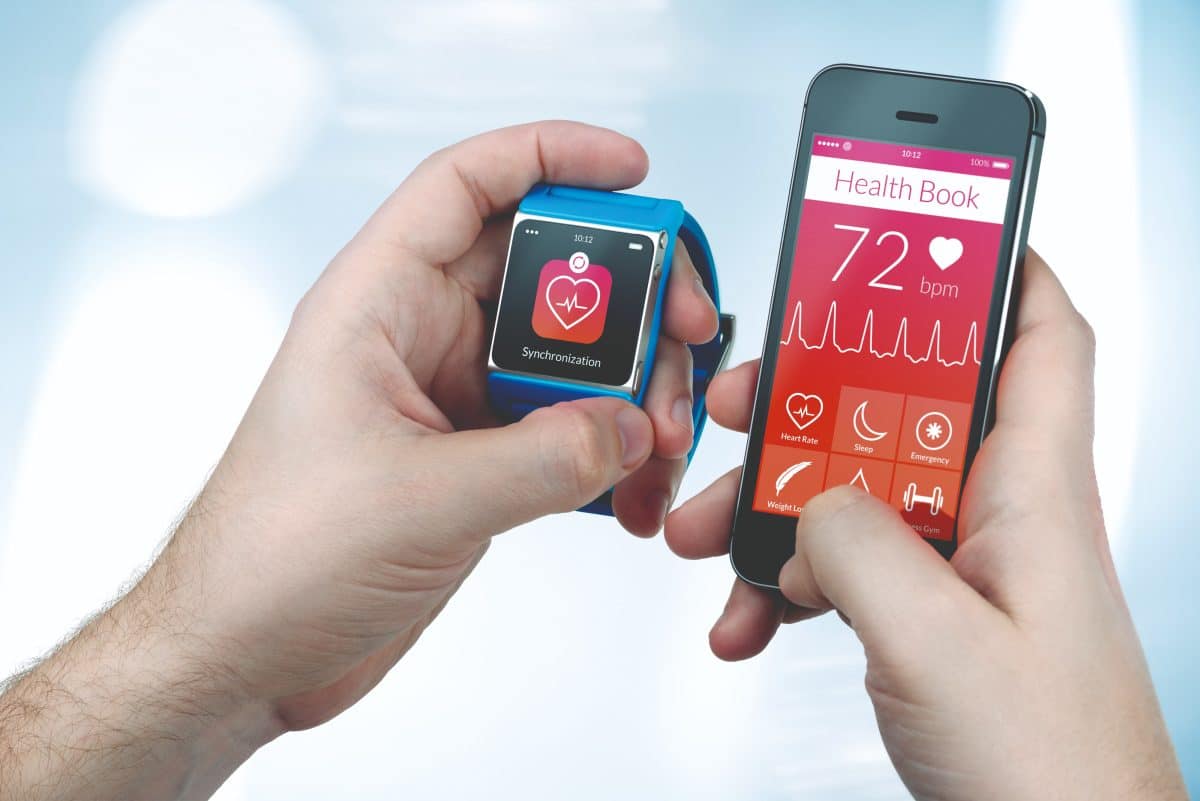
In the ever-evolving landscape of healthcare technology, wearables have emerged as pivotal tools in personal health management and medical practice. With roots tracing back to the 1970s, when the first calculator wristwatches appeared, these devices have undergone a remarkable transformation. The introduction of smartwatches in 2013 marked a significant leap, integrating a suite of health-monitoring features that have become indispensable, especially in light of insights gained during the COVID-19 pandemic.
Revolutionizing Health Monitoring
Modern wearables, particularly smartwatches, now offer functionalities such as heart rate monitoring, oxygen saturation, blood pressure tracking, and ECG readings. These features support the growing concepts of quantified self, body hacking, and self-surveillance, fostering a proactive approach to health management. This transformation is not just about technology but also about empowering individuals to take charge of their health.
Cardiovascular Health
Wearables have significantly impacted cardiovascular care. By enabling continuous monitoring of heart rate and ECG, these devices can detect life-threatening arrhythmias, prompting timely medical intervention. The ability to track blood pressure around the clock is invaluable for hypertension patients, aiding in the prevention of heart attacks, strokes, and renal failures.
Diabetes Management
For those managing diabetes, wearables offer a lifeline. Devices that monitor blood glucose levels provide critical data for both patients and healthcare providers, enabling precise insulin administration and minimizing the risk of complications such as diabetic retinopathy and kidney failure.
Lung Diseases
The pandemic underscored the importance of monitoring blood oxygen levels, a feature now common in smartwatches. This capability is crucial for patients with chronic lung conditions, helping them manage oxygen supplementation and improve their quality of life.
Innovations in Eye and Brain Health
Wearables are also making strides in eye and brain health. Smart lenses, equipped with microelectronic processing units, monitor intraocular pressure, offering new hope for glaucoma patients. Meanwhile, seizure alerting devices and VR headsets are breaking ground in managing neurological and psychiatric disorders, enhancing patients’ quality of life.
Challenges and Considerations
Despite their advantages, wearables are not without challenges. Concerns about data accuracy, device reliability, and the potential for false alerts persist. It’s crucial to view these devices as supportive tools rather than replacements for traditional healthcare interactions. As Dr. Mayur Manji Mewada, an authority in the field, notes, “Wearables are essential tools but cannot replace the necessity of professional medical advice and the traditional doctor-patient relationship.”
For more insights, refer to the original article here.
More Articles
Getting licensed or staying ahead in your career can be a journey—but it doesn’t have to be overwhelming. Grab your favorite coffee or tea, take a moment to relax, and browse through our articles. Whether you’re just starting out or renewing your expertise, we’ve got tips, insights, and advice to keep you moving forward. Here’s to your success—one sip and one step at a time!
Florida homeowners — especially in hard‑hit South Florida — are set to see rare and substantial reductions in their property insurance premiums. Gov. Ron DeSantis announced an average statewide Citizens Insurance decrease of 8.7%, with even larger savings of up to 14% in counties like Miami-Dade, Broward, and Palm Beach. State officials credit recent legal and regulatory reforms for stabilizing the market, attracting new insurers, and delivering the first meaningful rate relief Floridians have seen in years.
Tampa’s commercial real estate market isn’t slowing—it’s maturing. With strong population growth, rising office demand, a normalized industrial sector, resurgent retail, and an emerging health‑care real estate boom, investors are shifting from speed to strategy. Tighter underwriting, cautious capital and increased due‑diligence are shaping a more disciplined market, creating new opportunities for informed professionals.
Florida homeowners are finally seeing relief as Citizens Property Insurance announces a major 8.7% average rate decrease—far larger than originally proposed. Driven by legislative reforms, fewer lawsuits, and a calm hurricane season, the state’s once‑unstable insurance market is showing real signs of recovery. But with reduced coverage limits and shifting legal protections, experts warn that lower premiums may come with hidden trade‑offs.
After a decade of rising premiums and retreating carriers, Florida homeowners are finally seeing long‑awaited relief. Dozens of insurers have filed for rate decreases—some as high as 11%—thanks to legislative reforms and a stabilizing market. Early approvals are already hitting counties across the state, and experts say the momentum could boost buyer confidence, affordability, and competition throughout Florida’s real estate and insurance sectors.
After years of slowed activity caused by rising interest rates, the self‑storage industry is heating up again. New data from Marcus & Millichap shows a fresh market cycle emerging, driven by renewed buyer confidence, recalibrated pricing, and stronger lender participation. Acquisitions are rebounding, development is resetting in a healthier direction, and financing conditions are improving—creating one of the most promising investment landscapes the sector has seen in years.
Brookline’s newly updated FEMA flood maps identify 97 high‑risk parcels, but local experts warn the true threat is far greater. While FEMA highlights river‑based flooding around Leverett Pond and the Muddy River, alternative models show more than 1,300 Brookline properties at risk within 30 years. Hidden vulnerabilities along major corridors like Beacon Street, rising rainfall intensity, aging infrastructure, and climate‑driven storm patterns suggest that many “low‑risk” areas may be anything but safe.