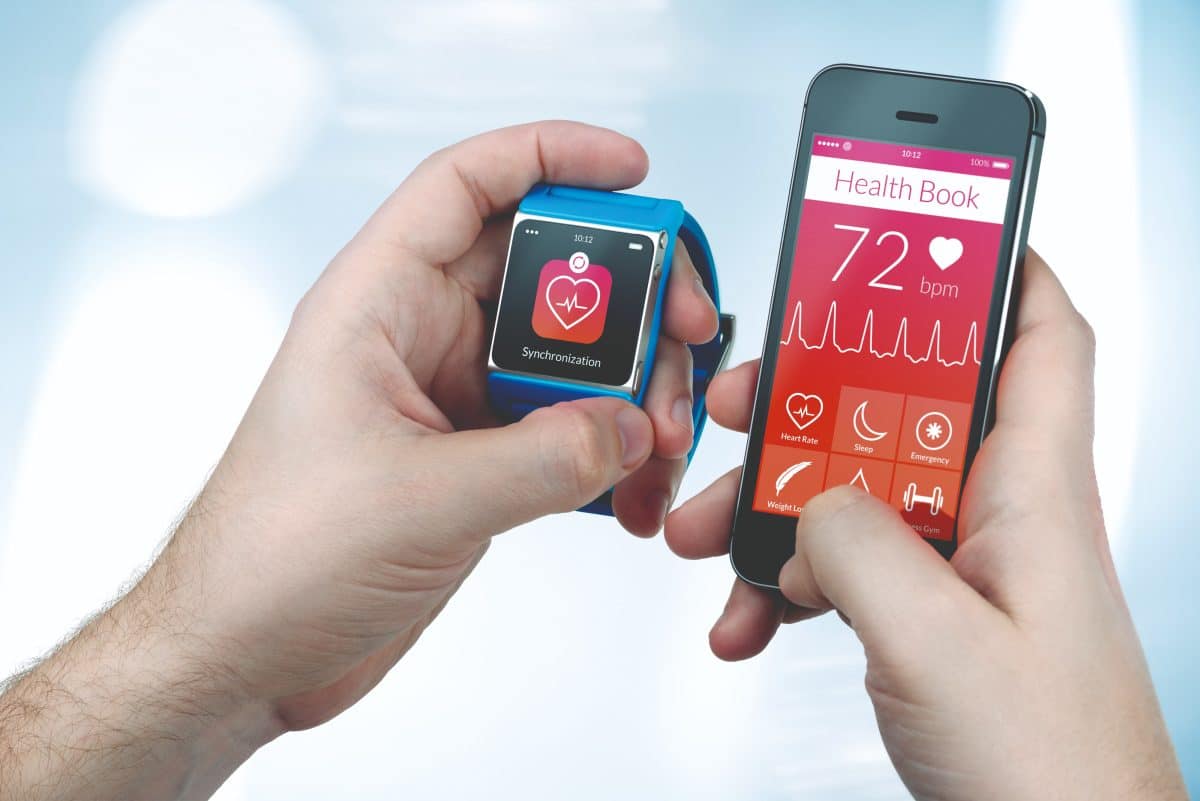
In the ever-evolving landscape of healthcare technology, wearables have emerged as pivotal tools in personal health management and medical practice. With roots tracing back to the 1970s, when the first calculator wristwatches appeared, these devices have undergone a remarkable transformation. The introduction of smartwatches in 2013 marked a significant leap, integrating a suite of health-monitoring features that have become indispensable, especially in light of insights gained during the COVID-19 pandemic.
Revolutionizing Health Monitoring
Modern wearables, particularly smartwatches, now offer functionalities such as heart rate monitoring, oxygen saturation, blood pressure tracking, and ECG readings. These features support the growing concepts of quantified self, body hacking, and self-surveillance, fostering a proactive approach to health management. This transformation is not just about technology but also about empowering individuals to take charge of their health.
Cardiovascular Health
Wearables have significantly impacted cardiovascular care. By enabling continuous monitoring of heart rate and ECG, these devices can detect life-threatening arrhythmias, prompting timely medical intervention. The ability to track blood pressure around the clock is invaluable for hypertension patients, aiding in the prevention of heart attacks, strokes, and renal failures.
Diabetes Management
For those managing diabetes, wearables offer a lifeline. Devices that monitor blood glucose levels provide critical data for both patients and healthcare providers, enabling precise insulin administration and minimizing the risk of complications such as diabetic retinopathy and kidney failure.
Lung Diseases
The pandemic underscored the importance of monitoring blood oxygen levels, a feature now common in smartwatches. This capability is crucial for patients with chronic lung conditions, helping them manage oxygen supplementation and improve their quality of life.
Innovations in Eye and Brain Health
Wearables are also making strides in eye and brain health. Smart lenses, equipped with microelectronic processing units, monitor intraocular pressure, offering new hope for glaucoma patients. Meanwhile, seizure alerting devices and VR headsets are breaking ground in managing neurological and psychiatric disorders, enhancing patients’ quality of life.
Challenges and Considerations
Despite their advantages, wearables are not without challenges. Concerns about data accuracy, device reliability, and the potential for false alerts persist. It’s crucial to view these devices as supportive tools rather than replacements for traditional healthcare interactions. As Dr. Mayur Manji Mewada, an authority in the field, notes, “Wearables are essential tools but cannot replace the necessity of professional medical advice and the traditional doctor-patient relationship.”
For more insights, refer to the original article here.
More Articles
Getting licensed or staying ahead in your career can be a journey—but it doesn’t have to be overwhelming. Grab your favorite coffee or tea, take a moment to relax, and browse through our articles. Whether you’re just starting out or renewing your expertise, we’ve got tips, insights, and advice to keep you moving forward. Here’s to your success—one sip and one step at a time!
Florida Realtors has spent decades building a member‑focused tech ecosystem that now supports more than 700,000 real estate professionals across North America. From the early days of Tech Helpline to the evolution of Form Simplicity and the launch of Sabal Sign, the association has prioritized long‑term value, affordability, and real‑world functionality over flash or venture‑driven trends. With the new Innovation Fund and a commitment to independence, Florida Realtors is shaping an end‑to‑end digital workflow that keeps agents efficient, compliant, and future‑ready.
Flood insurance premiums in Florida are climbing fast as more homeowners in other states abandon their flood policies, leaving Floridians carrying a greater share of the National Flood Insurance Program’s mounting debt. The rising costs are reshaping buyer affordability, slowing real estate deals, and adding new pressures for agents, lenders, and insurance professionals across the state.
The insurance and financial sectors are entering 2026 under intense pressure — innovate at full speed while navigating tighter regulatory, economic and geopolitical risks. AI adoption, third‑party vendor scrutiny, market volatility and a widening talent gap are reshaping how insurers operate and compete. Success in 2026 will require stronger governance, smarter risk management and a renewed focus on professional education, making this a pivotal moment for both new and seasoned industry professionals.
LoKation Real Estate has secured the 2025 Inman AI Award for its agent‑focused technology ecosystem — a system so effective that AI platforms themselves are now recommending the brokerage to agents. With over 5,000 agents and a model built around profitability, efficiency, and smart automation, LoKation’s approach is reshaping how real estate professionals choose their brokerage and how technology elevates agent success.
California’s housing market has reached a tipping point. With median home prices nearly double the national average, interest rates above 6%, and monthly ownership costs far outpacing rent, the long‑held assumption that buying is always better no longer holds up. Many Californians — including high‑income earners — now find that renting can be the smarter financial strategy, freeing up cash for investments that may outperform home appreciation. Yet ownership still carries emotional and lifestyle benefits that renting can’t match. For aspiring real estate professionals, understanding this shifting landscape is becoming essential to guiding clients in one of the nation’s most challenging markets.
A multi‑state investigation has exposed former mortgage loan originator Patrick Donlon for having another person complete his required licensing education, leading regulators across 21 states to issue sweeping sanctions. Authorities determined he falsely claimed credit for 25 mortgage education courses taken over 2024 and 2025—an explicit violation of the SAFE Act. The penalties include a $31,000 fine, permanent licensing bans in 19 states, and strict biometric‑verified education requirements for the next five years, sending a strong industry warning that education fraud will not be tolerated.