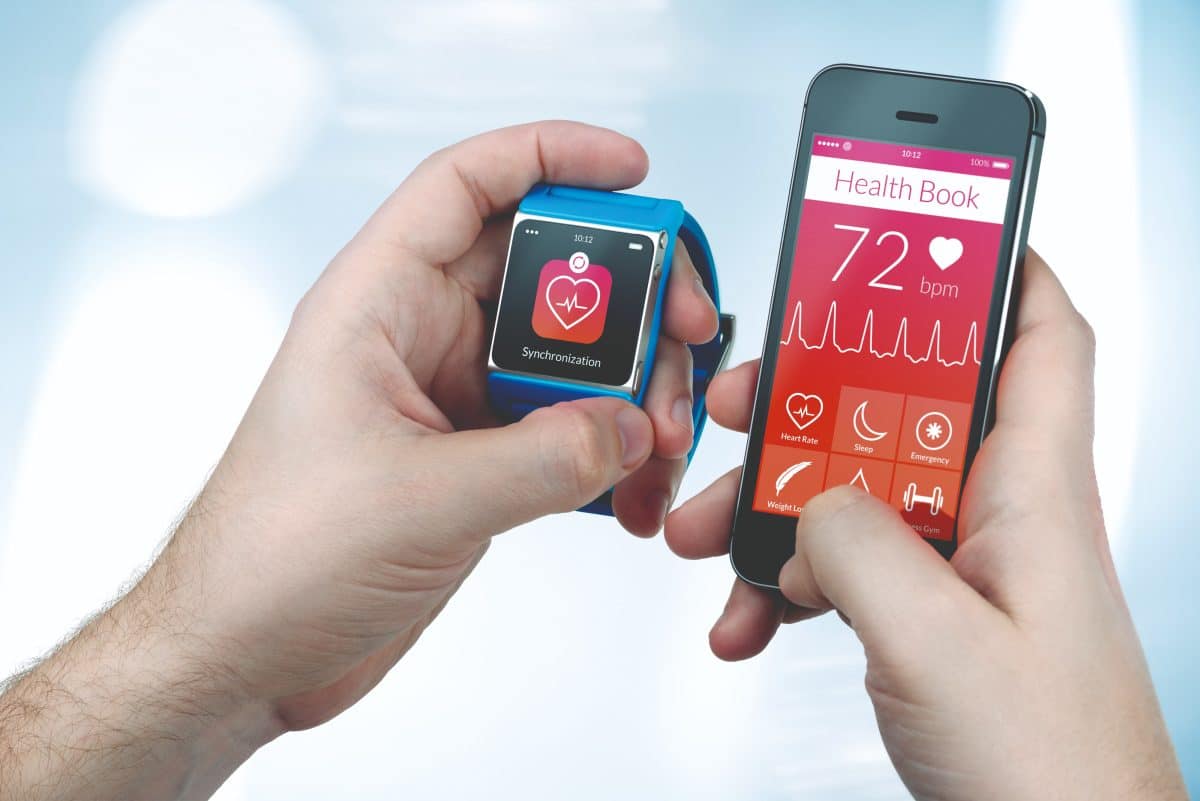
In the ever-evolving landscape of healthcare technology, wearables have emerged as pivotal tools in personal health management and medical practice. With roots tracing back to the 1970s, when the first calculator wristwatches appeared, these devices have undergone a remarkable transformation. The introduction of smartwatches in 2013 marked a significant leap, integrating a suite of health-monitoring features that have become indispensable, especially in light of insights gained during the COVID-19 pandemic.
Revolutionizing Health Monitoring
Modern wearables, particularly smartwatches, now offer functionalities such as heart rate monitoring, oxygen saturation, blood pressure tracking, and ECG readings. These features support the growing concepts of quantified self, body hacking, and self-surveillance, fostering a proactive approach to health management. This transformation is not just about technology but also about empowering individuals to take charge of their health.
Cardiovascular Health
Wearables have significantly impacted cardiovascular care. By enabling continuous monitoring of heart rate and ECG, these devices can detect life-threatening arrhythmias, prompting timely medical intervention. The ability to track blood pressure around the clock is invaluable for hypertension patients, aiding in the prevention of heart attacks, strokes, and renal failures.
Diabetes Management
For those managing diabetes, wearables offer a lifeline. Devices that monitor blood glucose levels provide critical data for both patients and healthcare providers, enabling precise insulin administration and minimizing the risk of complications such as diabetic retinopathy and kidney failure.
Lung Diseases
The pandemic underscored the importance of monitoring blood oxygen levels, a feature now common in smartwatches. This capability is crucial for patients with chronic lung conditions, helping them manage oxygen supplementation and improve their quality of life.
Innovations in Eye and Brain Health
Wearables are also making strides in eye and brain health. Smart lenses, equipped with microelectronic processing units, monitor intraocular pressure, offering new hope for glaucoma patients. Meanwhile, seizure alerting devices and VR headsets are breaking ground in managing neurological and psychiatric disorders, enhancing patients’ quality of life.
Challenges and Considerations
Despite their advantages, wearables are not without challenges. Concerns about data accuracy, device reliability, and the potential for false alerts persist. It’s crucial to view these devices as supportive tools rather than replacements for traditional healthcare interactions. As Dr. Mayur Manji Mewada, an authority in the field, notes, “Wearables are essential tools but cannot replace the necessity of professional medical advice and the traditional doctor-patient relationship.”
For more insights, refer to the original article here.
More Articles
Getting licensed or staying ahead in your career can be a journey—but it doesn’t have to be overwhelming. Grab your favorite coffee or tea, take a moment to relax, and browse through our articles. Whether you’re just starting out or renewing your expertise, we’ve got tips, insights, and advice to keep you moving forward. Here’s to your success—one sip and one step at a time!
The latest MBA survey shows overall mortgage applications dipping 1.4% during the holiday week, even as purchase activity rose on a seasonally adjusted basis. Refinances cooled despite lower rates, which averaged 6.32% for a 30‑year fixed. Rising ARMs and shifting buyer behavior highlight a market still trying to stabilize amid softening economic indicators.
October delivered the first year‑over‑year slowdown in commercial real estate deals in nearly two years, signaling a growing disconnect between buyers and sellers as elevated rates and policy uncertainty reshape pricing expectations. While multifamily cooled and office assets traded at steep discounts, hotels and adaptive‑reuse projects stood out as rare bright spots. For professionals across real estate, mortgage, and finance, the shifting landscape underscores the need for sharper analysis and continued education heading into 2026.
The US workers’ compensation market is bracing for a pivotal year in 2026 as medical inflation, rising claim complexity, and tightening state regulations push costs higher for insurers and employers. With cumulative trauma injuries increasing and states expanding presumption laws—especially for first responders and healthcare workers—underwriting strategies are being forced to evolve. At the same time, technology like predictive analytics and workplace wearables is reshaping loss prevention, while more organizations turn to captives and hybrid programs to manage volatility.
Over the past 25 years, Florida Realtors has transformed from a simple support desk into one of the most influential tech ecosystems in real estate. Through member‑driven tools like Tech Helpline, Form Simplicity and the new Sabal Sign platform, the association has built a stable, fully integrated system used by agents across the U.S. and Canada. Free from outside investors and focused entirely on member needs, Florida Realtors has quietly become a tech powerhouse—proving that long-term vision, not venture capital, is what truly drives innovation in the industry.
Massachusetts is poised for a major shift in home‑sale transparency as Gov. Maura Healey pushes for mandatory flood disclosures — a change that could impact buyers, sellers, and real estate professionals statewide. With worsening climate conditions and growing flood damage in communities like Winthrop and Salem, the proposal aims to ensure buyers understand a property’s true risk before they commit. The move has wide support from insurers and municipalities, while the real estate industry remains split over its potential impact on the state’s long‑standing “buyer beware” culture.
Florida’s long‑troubled property insurance market is finally showing early signs of recovery. Thanks to recent legislative reforms that reduced litigation and attracted new insurers, some homeowners are even seeing their premiums drop. These improvements are boosting consumer confidence and creating new opportunities for real estate, mortgage, and insurance professionals across the state.