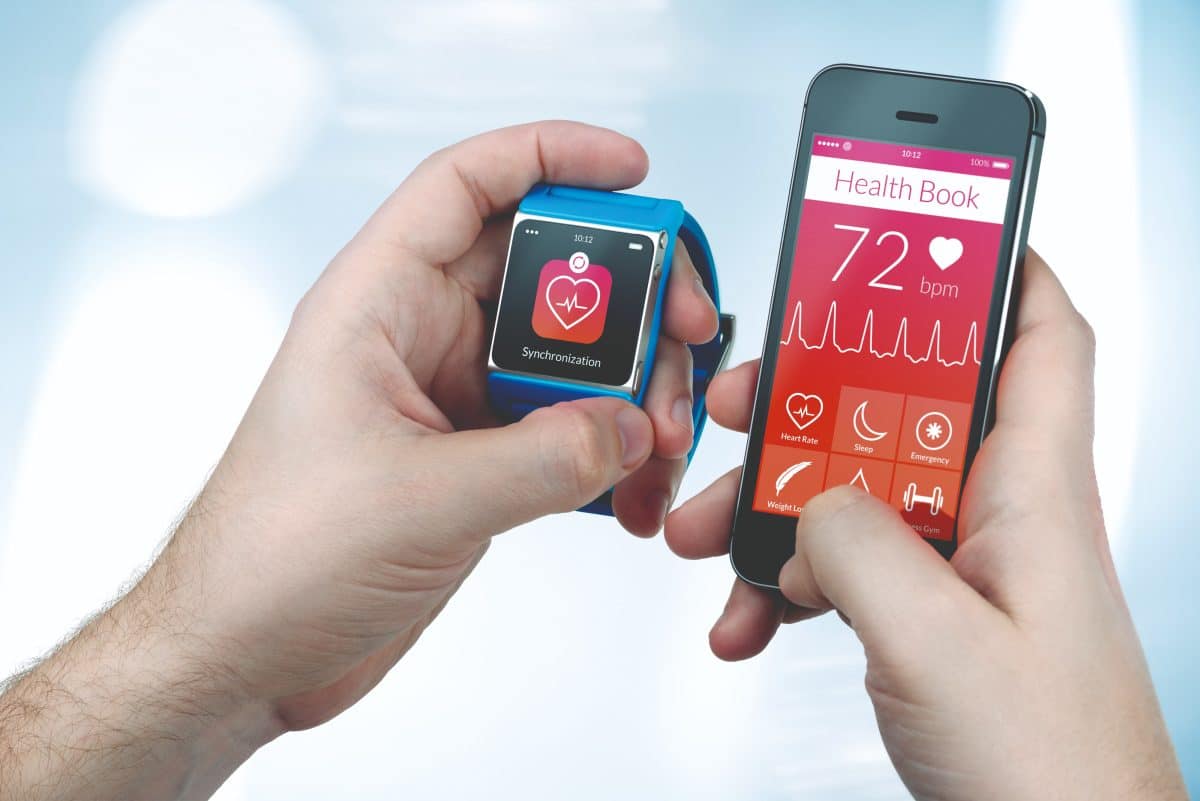
In the ever-evolving landscape of healthcare technology, wearables have emerged as pivotal tools in personal health management and medical practice. With roots tracing back to the 1970s, when the first calculator wristwatches appeared, these devices have undergone a remarkable transformation. The introduction of smartwatches in 2013 marked a significant leap, integrating a suite of health-monitoring features that have become indispensable, especially in light of insights gained during the COVID-19 pandemic.
Revolutionizing Health Monitoring
Modern wearables, particularly smartwatches, now offer functionalities such as heart rate monitoring, oxygen saturation, blood pressure tracking, and ECG readings. These features support the growing concepts of quantified self, body hacking, and self-surveillance, fostering a proactive approach to health management. This transformation is not just about technology but also about empowering individuals to take charge of their health.
Cardiovascular Health
Wearables have significantly impacted cardiovascular care. By enabling continuous monitoring of heart rate and ECG, these devices can detect life-threatening arrhythmias, prompting timely medical intervention. The ability to track blood pressure around the clock is invaluable for hypertension patients, aiding in the prevention of heart attacks, strokes, and renal failures.
Diabetes Management
For those managing diabetes, wearables offer a lifeline. Devices that monitor blood glucose levels provide critical data for both patients and healthcare providers, enabling precise insulin administration and minimizing the risk of complications such as diabetic retinopathy and kidney failure.
Lung Diseases
The pandemic underscored the importance of monitoring blood oxygen levels, a feature now common in smartwatches. This capability is crucial for patients with chronic lung conditions, helping them manage oxygen supplementation and improve their quality of life.
Innovations in Eye and Brain Health
Wearables are also making strides in eye and brain health. Smart lenses, equipped with microelectronic processing units, monitor intraocular pressure, offering new hope for glaucoma patients. Meanwhile, seizure alerting devices and VR headsets are breaking ground in managing neurological and psychiatric disorders, enhancing patients’ quality of life.
Challenges and Considerations
Despite their advantages, wearables are not without challenges. Concerns about data accuracy, device reliability, and the potential for false alerts persist. It’s crucial to view these devices as supportive tools rather than replacements for traditional healthcare interactions. As Dr. Mayur Manji Mewada, an authority in the field, notes, “Wearables are essential tools but cannot replace the necessity of professional medical advice and the traditional doctor-patient relationship.”
For more insights, refer to the original article here.
More Articles
Getting licensed or staying ahead in your career can be a journey—but it doesn’t have to be overwhelming. Grab your favorite coffee or tea, take a moment to relax, and browse through our articles. Whether you’re just starting out or renewing your expertise, we’ve got tips, insights, and advice to keep you moving forward. Here’s to your success—one sip and one step at a time!
The average life insurance premium in 2026 sits at about 26 dollars per month for a healthy 40-year-old seeking a 20-year, 500,000 dollar term policy, according to recent industry data. Rates continue to be influenced by factors like age, health, and risk class, while certain personal details—such as marital status or number of beneficiaries—have no impact on pricing. With term, whole life, and no-exam options showing wide cost differences, professionals in real estate, insurance, mortgage, and finance can benefit from understanding how underwriting works. This knowledge not only helps with personal financial planning but also supports advising clients effectively in these interconnected industries.
AI is becoming a powerful partner for real estate agents, helping automate repetitive tasks like lead responses, follow ups, marketing content, and paperwork so you can focus on clients and closing deals. From 24/7 chat assistants to AI enhanced visuals and predictive analytics, agents using these tools are gaining a competitive edge without needing technical skills.
Florida’s housing market continues to outpace national growth, with several cities experiencing sharp jumps in home values driven by high demand and limited inventory. New data from Zillow highlights where price acceleration is strongest—from luxury enclaves like Golden Beach and Lake Buena Vista to more affordable markets such as Old Town. For real estate professionals, these insights spotlight emerging opportunities, shifting buyer behavior, and areas of rising investment interest across the state.
Baltimore is moving to close key loopholes in its rental licensing system after thousands of unlicensed and unsafe units came to light. A new city proposal would strengthen enforcement, increase audits, and protect tenants from negligent landlords. With nearly half of rentals still unlicensed, the reform highlights why compliance and ethical property management remain essential across the real estate industry.
Florida lawmakers have taken a major step toward helping homeowners understand rising insurance costs. The Florida House voted 114-0 to approve HB 767, a bill that would require insurers to publicly share more of the data behind their rate increases. While the bill doesn’t limit premiums, it aims to give consumers, real estate professionals, and analysts clearer insight into how insurance companies set their prices as it now heads to the Senate for consideration.
A rising public‑radio journalist walked away from the career she worked years to build after a spontaneous trip to Spain made her question what she truly wanted from life. Trading stability for a teaching visa and a slower pace in Seville, she faced financial uncertainty, culture shocks, and doubts about her future—yet also gained safety, freedom, and a renewed sense of self. Her journey is a reminder that major career shifts, whether abroad or at home, can open the door to unexpected possibilities.