In the rapidly evolving world of digital marketing, real estate professionals are finding themselves at a pivotal juncture. The article Navigate Marketing in Today’s Digital Landscape from the National Association of REALTORS® highlights how maintaining a robust online presence is more crucial than ever.

Real estate is fundamentally about building relationships and increasing influence within communities. Debbie Pontikas, an associate broker with Retsy in Scottsdale, Arizona, emphasizes the importance of utilizing all forms of communication, particularly in the digital space. This sentiment is echoed by Ashley Fultz of DMF Realty, who notes that social media allows real estate professionals to reach broader audiences and build trust through authentic engagement.

The Social Landscape

Platforms like Instagram, TikTok, and Facebook are at the forefront of this digital transformation. Fultz, who has amassed over 64,000 followers on Instagram, uses the platform to share insights into her personal and professional life, creating a relatable and trustworthy image. Her approach includes sharing content such as home inspections you should never skip and providing video tours of listings.

TikTok, with its younger demographic, offers a unique opportunity to engage with emerging markets. Barb Betts, broker-owner of The REcollective, advises that consistency and engaging content are key to success on this platform.

Despite a shift towards newer platforms, Facebook remains relevant, particularly for reaching older, affluent audiences. Pontikas suggests leveraging tools that allow for cross-platform posting to maximize reach.

LinkedIn

LinkedIn serves as a professional networking platform, offering real estate agents a way to connect with peers and build credibility through shared connections and testimonials.

Subscriber Content

In addition to social media, subscriber communications such as newsletters, podcasts, and texts provide a direct line to a curated audience. Dawn Houlf of Exit Realty Number One uses newsletters to target different market segments, while Emily Clancy LoPorto of Serhant highlights the higher engagement rates of emailed content compared to social media.

Realtors are encouraged to repurpose content across multiple channels to maximize its impact. This strategy not only saves time but also ensures consistent messaging across platforms.

For brokers, assisting agents in crafting effective marketing strategies is essential. Providing resources, feedback, and promotional support can help agents navigate the digital landscape successfully.

The insights shared in the article by Wendy Rose Gould offer a comprehensive guide for real estate marketers aiming to thrive in today’s digital environment. For further details, the original article can be accessed here.


More Articles

Getting licensed or staying ahead in your career can be a journey—but it doesn’t have to be overwhelming. Grab your favorite coffee or tea, take a moment to relax, and browse through our articles. Whether you’re just starting out or renewing your expertise, we’ve got tips, insights, and advice to keep you moving forward. Here’s to your success—one sip and one step at a time!

Florida Homeowners Finally Get Relief as Gov. DeSantis Announces Significant Insurance Premium Cuts

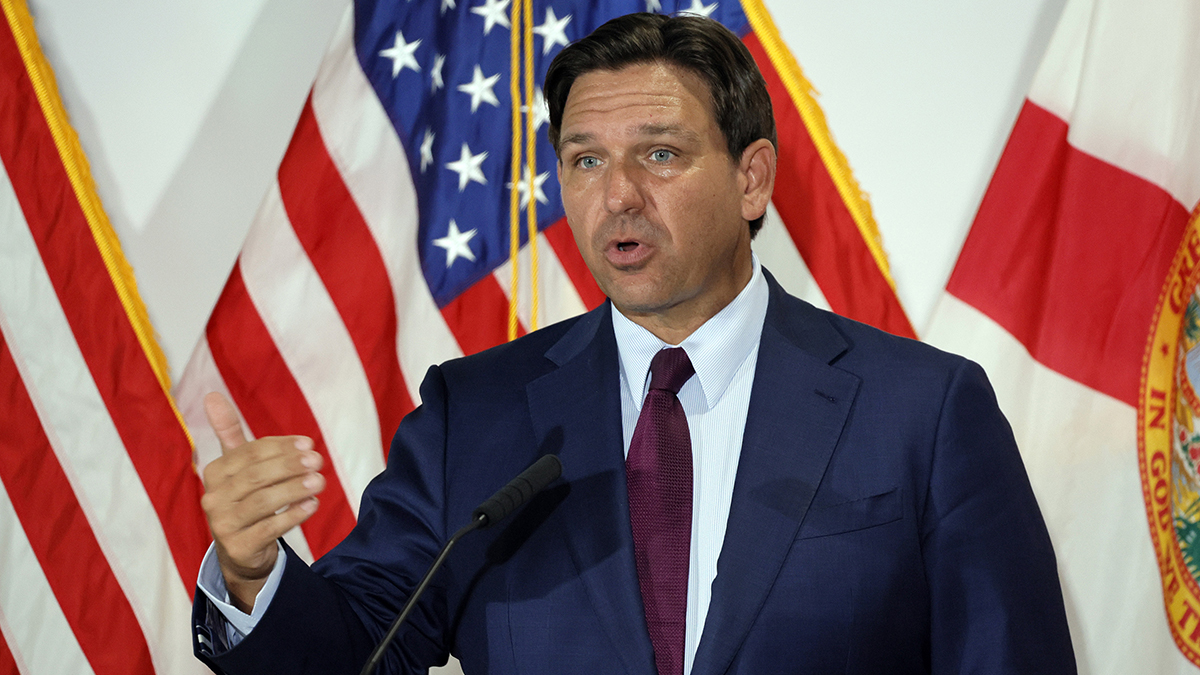
Florida homeowners — especially in hard‑hit South Florida — are set to see rare and substantial reductions in their property insurance premiums. Gov. Ron DeSantis announced an average statewide Citizens Insurance decrease of 8.7%, with even larger savings of up to 14% in counties like Miami-Dade, Broward, and Palm Beach. State officials credit recent legal and regulatory reforms for stabilizing the market, attracting new insurers, and delivering the first meaningful rate relief Floridians have seen in years.

Tampa’s Real Estate Market Enters a Smarter, More Selective Growth Phase

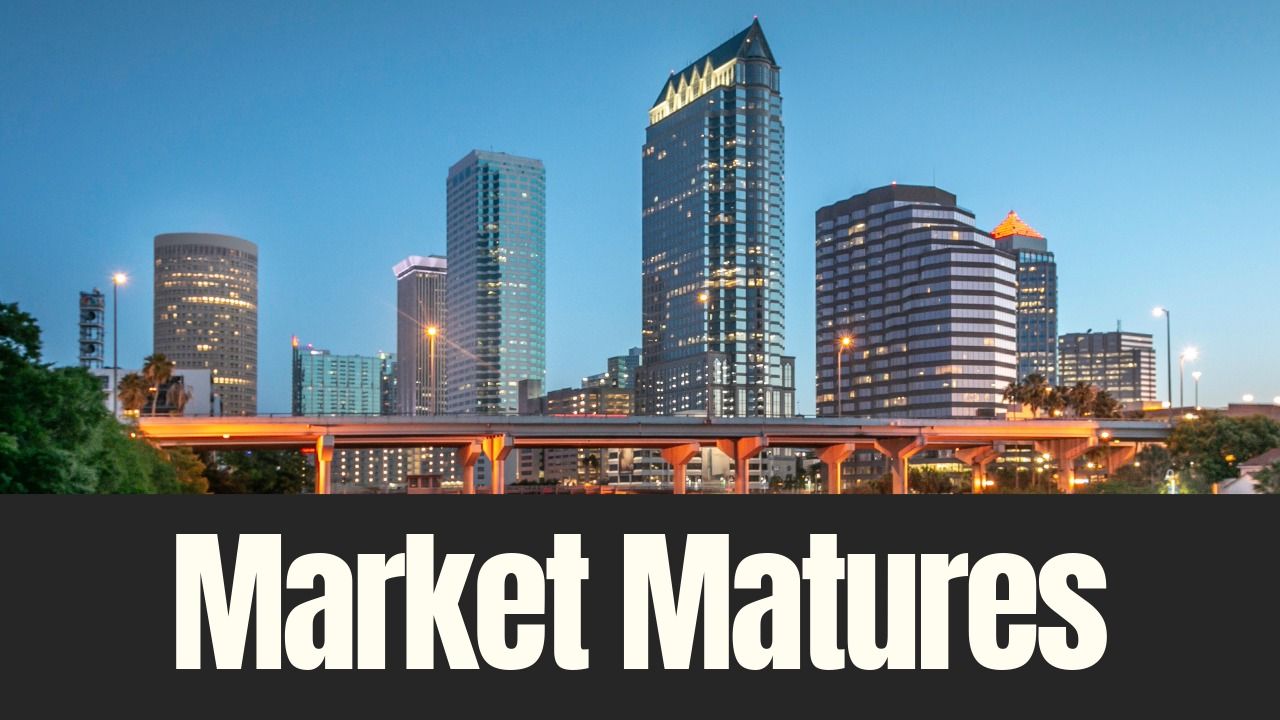
Tampa’s commercial real estate market isn’t slowing—it’s maturing. With strong population growth, rising office demand, a normalized industrial sector, resurgent retail, and an emerging health‑care real estate boom, investors are shifting from speed to strategy. Tighter underwriting, cautious capital and increased due‑diligence are shaping a more disciplined market, creating new opportunities for informed professionals.

Florida Slashes Home Insurance Rates: Biggest Drop in a Decade Sends Shockwaves Through the Market

Florida homeowners are finally seeing relief as Citizens Property Insurance announces a major 8.7% average rate decrease—far larger than originally proposed. Driven by legislative reforms, fewer lawsuits, and a calm hurricane season, the state’s once‑unstable insurance market is showing real signs of recovery. But with reduced coverage limits and shifting legal protections, experts warn that lower premiums may come with hidden trade‑offs.

Florida Homeowners Finally Get Insurance Relief After Years of Soaring Premiums

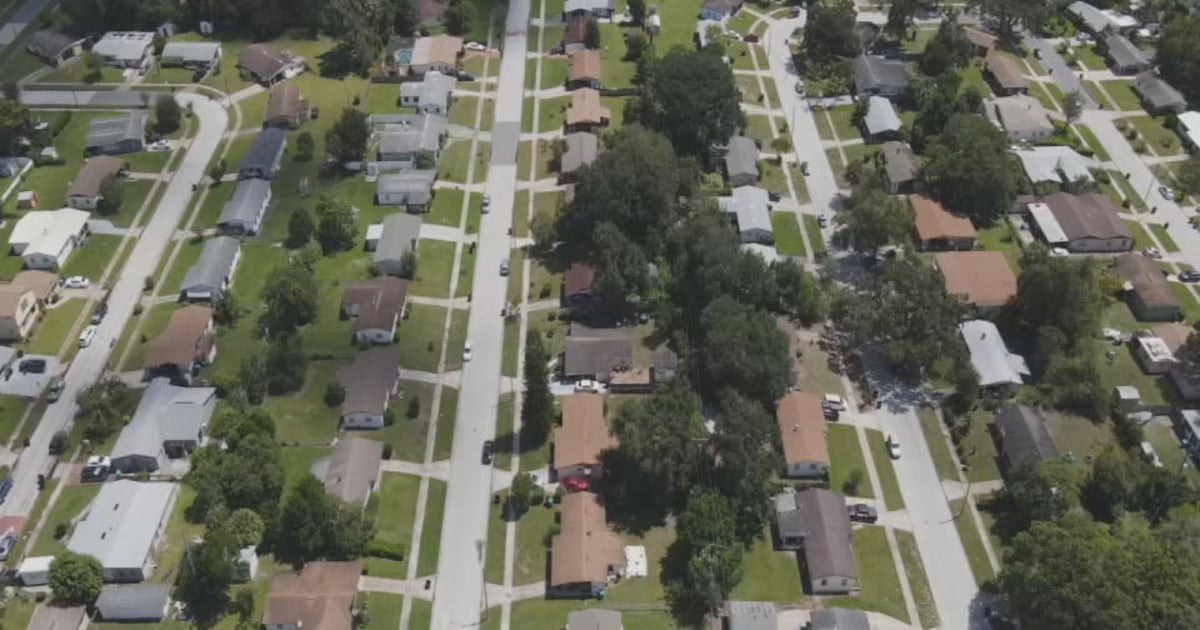
After a decade of rising premiums and retreating carriers, Florida homeowners are finally seeing long‑awaited relief. Dozens of insurers have filed for rate decreases—some as high as 11%—thanks to legislative reforms and a stabilizing market. Early approvals are already hitting counties across the state, and experts say the momentum could boost buyer confidence, affordability, and competition throughout Florida’s real estate and insurance sectors.

Self‑Storage Investing in 2026: A Market Thaw Opens the Door to Big Opportunities

After years of slowed activity caused by rising interest rates, the self‑storage industry is heating up again. New data from Marcus & Millichap shows a fresh market cycle emerging, driven by renewed buyer confidence, recalibrated pricing, and stronger lender participation. Acquisitions are rebounding, development is resetting in a healthier direction, and financing conditions are improving—creating one of the most promising investment landscapes the sector has seen in years.

Brookline’s Real Flood Risk: What FEMA’s New Maps Reveal—and What They Miss

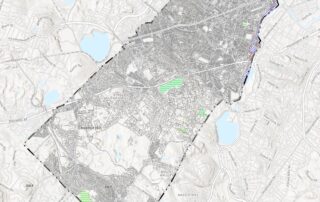
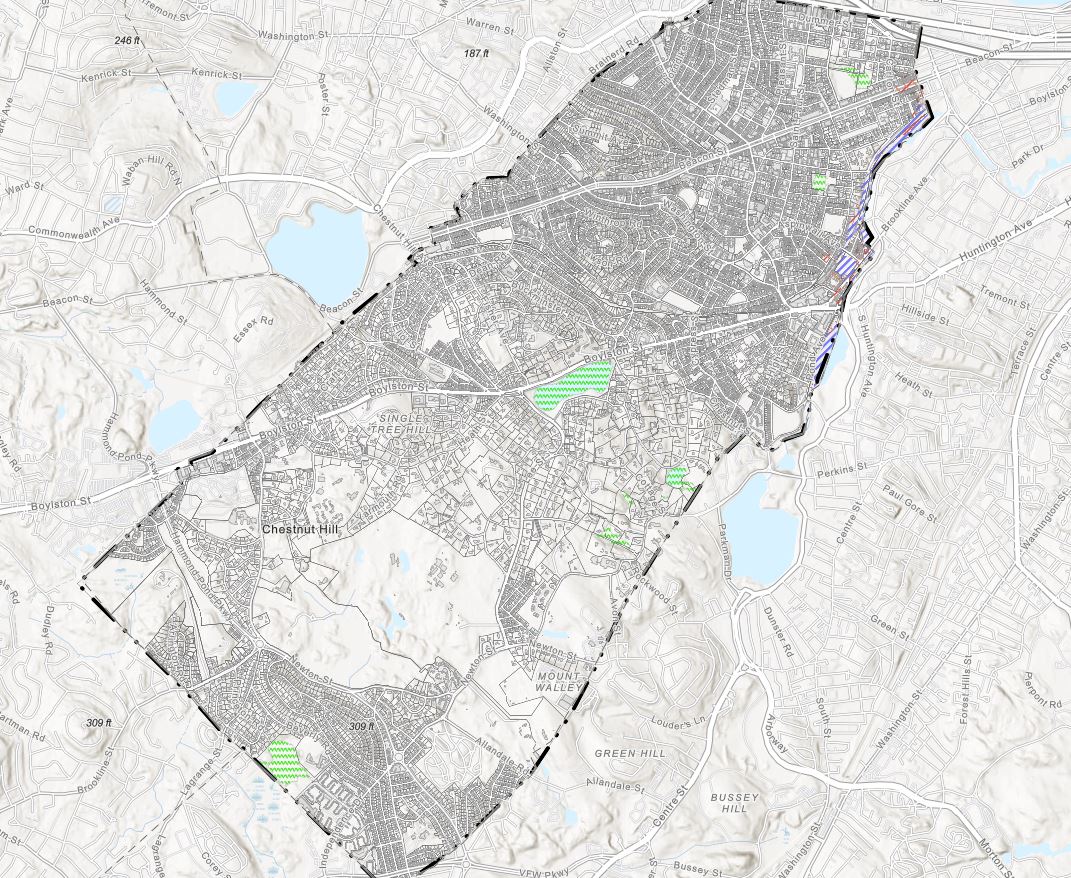
Brookline’s newly updated FEMA flood maps identify 97 high‑risk parcels, but local experts warn the true threat is far greater. While FEMA highlights river‑based flooding around Leverett Pond and the Muddy River, alternative models show more than 1,300 Brookline properties at risk within 30 years. Hidden vulnerabilities along major corridors like Beacon Street, rising rainfall intensity, aging infrastructure, and climate‑driven storm patterns suggest that many “low‑risk” areas may be anything but safe.