In the rapidly evolving world of digital marketing, real estate professionals are finding themselves at a pivotal juncture. The article Navigate Marketing in Today’s Digital Landscape from the National Association of REALTORS® highlights how maintaining a robust online presence is more crucial than ever.

Real estate is fundamentally about building relationships and increasing influence within communities. Debbie Pontikas, an associate broker with Retsy in Scottsdale, Arizona, emphasizes the importance of utilizing all forms of communication, particularly in the digital space. This sentiment is echoed by Ashley Fultz of DMF Realty, who notes that social media allows real estate professionals to reach broader audiences and build trust through authentic engagement.

The Social Landscape

Platforms like Instagram, TikTok, and Facebook are at the forefront of this digital transformation. Fultz, who has amassed over 64,000 followers on Instagram, uses the platform to share insights into her personal and professional life, creating a relatable and trustworthy image. Her approach includes sharing content such as home inspections you should never skip and providing video tours of listings.

TikTok, with its younger demographic, offers a unique opportunity to engage with emerging markets. Barb Betts, broker-owner of The REcollective, advises that consistency and engaging content are key to success on this platform.

Despite a shift towards newer platforms, Facebook remains relevant, particularly for reaching older, affluent audiences. Pontikas suggests leveraging tools that allow for cross-platform posting to maximize reach.

LinkedIn

LinkedIn serves as a professional networking platform, offering real estate agents a way to connect with peers and build credibility through shared connections and testimonials.

Subscriber Content

In addition to social media, subscriber communications such as newsletters, podcasts, and texts provide a direct line to a curated audience. Dawn Houlf of Exit Realty Number One uses newsletters to target different market segments, while Emily Clancy LoPorto of Serhant highlights the higher engagement rates of emailed content compared to social media.

Realtors are encouraged to repurpose content across multiple channels to maximize its impact. This strategy not only saves time but also ensures consistent messaging across platforms.

For brokers, assisting agents in crafting effective marketing strategies is essential. Providing resources, feedback, and promotional support can help agents navigate the digital landscape successfully.

The insights shared in the article by Wendy Rose Gould offer a comprehensive guide for real estate marketers aiming to thrive in today’s digital environment. For further details, the original article can be accessed here.


More Articles

Getting licensed or staying ahead in your career can be a journey—but it doesn’t have to be overwhelming. Grab your favorite coffee or tea, take a moment to relax, and browse through our articles. Whether you’re just starting out or renewing your expertise, we’ve got tips, insights, and advice to keep you moving forward. Here’s to your success—one sip and one step at a time!

Florida Homeowners Finally Get a Break as Insurance Rates Begin to Drop

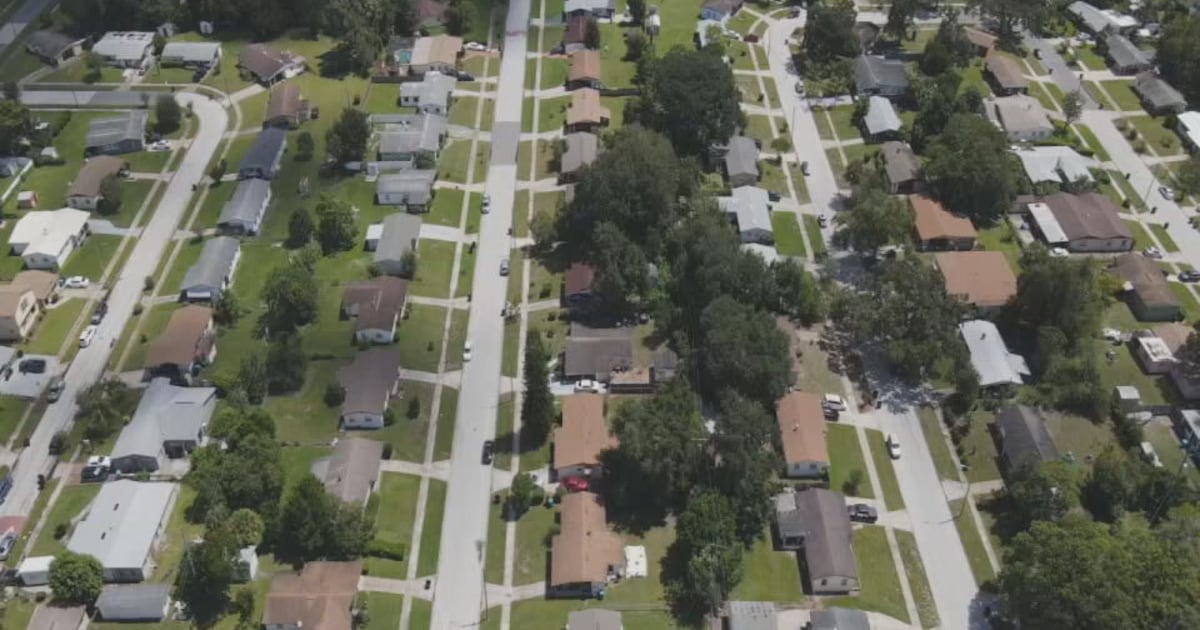
After years of soaring premiums and insurer instability, Florida’s property insurance market is finally turning a corner. Major carriers have filed 83 requests for rate decreases heading into 2026, with companies like Florida Peninsula and Patriot Select proposing cuts of 8.4% and 11.3%. Some homeowners may see relief as early as next month, signaling a long‑awaited shift toward market stability.

The Fix-and-Flip Comeback: Why 2026 Is Poised to Be a Breakout Year for Investors

Fix-and-flip investing is gearing up for one of its strongest years in a decade as 2026 approaches. With cheaper capital, more accessible funding, easing interest rates, and long-awaited increases in housing inventory, investors are finding the perfect environment to launch or scale renovation-based real estate businesses. Renovation continues to outpace new construction in cost and speed, and demand for move-in-ready homes remains high, making 2026 a powerful opportunity window for both new and experienced investors.

Falling Rents Today, Rising Pressures Tomorrow: A 2026 Rental Squeeze Is on the Horizon

After a short-lived period of relief in 2025, the U.S. rental market may be headed for a tighter, more expensive 2026. With construction starts dropping nearly 11% and completions plunging 42%, the surge of new apartments that helped lower rents is rapidly drying up. Rising costs, shrinking inventory, and a slowdown in new development point to a potential rental crunch that could leave renters facing heavier competition and higher prices across major markets next year.

The Biggest Opportunity in Real Estate Since 2008

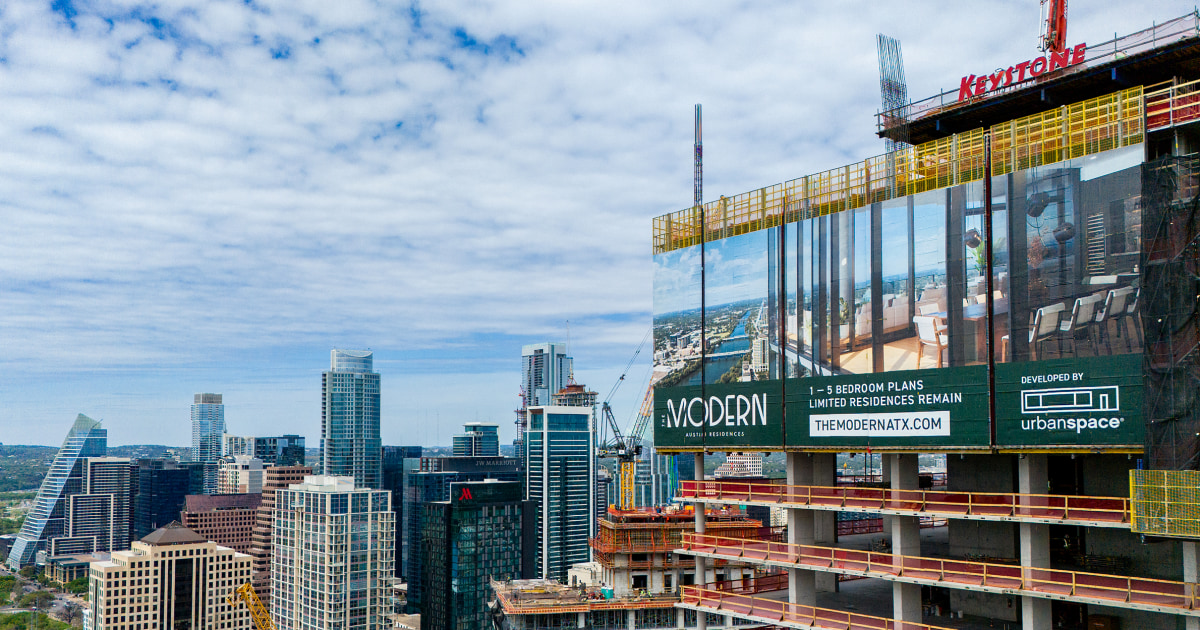
The commercial real estate market is entering a rare reset that experts say mirrors the post‑2008 boom, creating a potential window for disciplined investors. With trillions in commercial debt coming due and property values dropping up to 40%, firms like AARE are positioning themselves to acquire assets below replacement cost—an advantage that could set the stage for significant long‑term growth.

Six for 2026: The Commercial Real Estate Shifts Already Reshaping the U.S.

Commercial real estate is entering a reinvention phase, with AI‑driven productivity, modernized office demand, experience‑focused retail, expanding industrial logistics, creative housing solutions, and sustainability‑centered design all accelerating nationwide. These six forces are shaping how investors, brokers, and future licensees will operate in a rapidly evolving U.S. market.

2026 Becomes the Turning Point: Innovation, Stability, and Upward Mobility Return

After years of economic uncertainty and cautious decision‑making, 2026 is shaping up to be the year professionals finally catch a break. AI is moving from buzzword to essential tool, capital markets are beginning to thaw, and hiring is picking up across real estate, mortgage, insurance, finance, and healthcare. With opportunity returning, many professionals are using this moment to upskill—pursuing new licenses, certifications, and cross‑industry expertise.