Title Insurance in 2026: What Cortes and Hay Wants Every Buyer and Investor To Know
If you are stepping into the 2026 real estate market, you already know things feel different. Markets are shifting fast, policies are evolving, and both homebuyers and investors are searching for ways to protect themselves. Cortes and Hay, a veteran New Jersey title insurance agency with more than 50 years in the industry, has released a breakdown of the twelve most important things consumers should know this year.
This information, originally published via Herald Tribune, offers a sharp and timely snapshot of what matters most in a complex real estate climate. Below is a clean, friendly walkthrough of their insights and why they matter to anyone preparing for a closing, investing in property, or building a real estate career.
1. Real Estate Trends Make Title Insurance More Important Than Ever
The 2026 housing landscape is full of unknowns. With national and local markets shifting month to month, having a clear title and proper insurance has become a pillar of safe real estate investing. Cortes and Hay emphasizes starting every transaction with a comprehensive title search so buyers and sellers know exactly what they are stepping into.
2. Investors Especially Need Title Protection
Investment deals tend to be larger and more complex. A strong title company helps investors verify ownership, avoid hidden problems, and make informed decisions before placing their money on the line.
3. Expect Title Insurance Rules To Evolve
Regulations in real estate and insurance will continue shifting through 2026. Working with professionals who actively track legal changes helps keep transactions smooth, compliant, and predictable.
4. Know the Difference Between a Deed and a Title
A title is proof of legal ownership and is examined during the title search.
A deed is the official document that transfers ownership from one party to another.
5. A Strong Title Company Collaborates With Your Agent
Good communication among title professionals, agents, and lenders keeps a transaction on track. Cortes and Hay stresses teamwork as one of the hidden elements behind a successful closing.
6. There Are Many Types of Title Insurance
Residential, commercial, leasehold, and enhanced policies all serve different purposes. Buyers should work with knowledgeable professionals to choose the best fit for their situation.
7. 1031 Exchange Services Are a Major Advantage
For investors, the 1031 Exchange can preserve capital gains and open the door to larger long-term opportunities. Cortes and Hay highlights the value of choosing an experienced facilitator for this high-stakes process.
8. ALTA Best Practices Keep Consumers Safe
The American Land Title Association provides standards that title agencies follow to ensure transparency, security, and professional consistency. Working with an ALTA-compliant company protects buyers and sellers from unnecessary risks.
9. A Thorough Title Search Is an Essential Step
From liens to ownership gaps to recording errors, hidden issues can derail even the cleanest deal. A professional search helps uncover these problems early.
10. Undisclosed Liens Can Derail a Transaction
Unexpected liabilities often cause delays or legal disputes during closing. This is exactly why detailed research before finalizing a deal is so important.
11. Commercial Transactions Require Extra Protection
Because commercial deals involve larger budgets and more complexity, title insurance plays an even bigger role. It protects investors from future claims and clarifies ownership histories.
12. Work Only With Trusted, Experienced Professionals
With more than 50 years in the industry, Cortes and Hay emphasizes the power of service, reliability, and transparency. For New Jersey buyers, investors, and agents, they aim to simplify every stage of the transaction.
Why This Matters for Future Real Estate Professionals
If you are pursuing your real estate license or expanding your industry knowledge, understanding title insurance is not optional. It is one of the most common causes of transaction delays and one of the least understood areas for new agents.
Cameron Academy students consistently find that mastering title issues helps them stand out in competitive markets. It strengthens conversations with clients, lenders, and title companies, making you a more confident and capable professional.
About Cortes and Hay
Cortes and Hay provides residential, commercial, and industrial title insurance services across New Jersey. They also specialize in 1031 exchanges, settlement services, and complex closings. You can explore more on their official site: cortesandhay.com.
To read the original coverage, visit the Herald Tribune publication here: Original Source Article.
More Articles
Getting licensed or staying ahead in your career can be a journey—but it doesn’t have to be overwhelming. Grab your favorite coffee or tea, take a moment to relax, and browse through our articles. Whether you’re just starting out or renewing your expertise, we’ve got tips, insights, and advice to keep you moving forward. Here’s to your success—one sip and one step at a time!
Redfin forecasts a slow but meaningful return to normalcy in the U.S. housing market starting in 2026. Instead of a crash or a rapid correction, the year marks the beginning of a “Great Housing Reset” where affordability gradually improves, mortgage rates ease into the low‑6% range, home sales tick upward, and renters, buyers, and professionals finally feel less market pressure. From wage growth outpacing home prices to rising refi activity and the rise of AI‑powered real estate tools, 2026 is shaping up to be a foundational year for real estate careers and long‑term market stability.
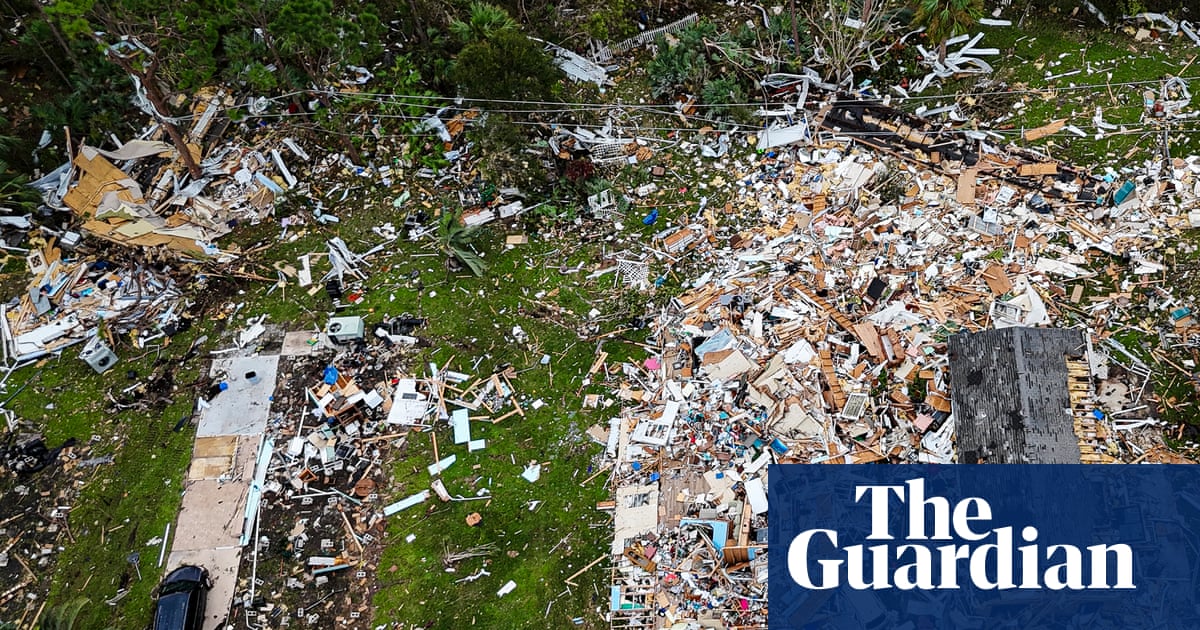
Hurricane Melissa’s destruction in Jamaica highlights a growing global reality: climate risks are accelerating faster than insurance adoption. With more than 90% of disaster losses in developing regions going uninsured and a worldwide protection gap exceeding $1.8 trillion annually, experts warn that traditional insurance systems can no longer keep up. New models—like parametric payouts, community‑based aggregation and bundled climate tools—are emerging, but governments and corporations must step in to prevent financial shocks from destabilizing entire economies.
Gravis Robotics, a Zurich-based startup, just raised $23 million to bring autonomous tech to construction sites facing a massive operator shortage. As demand surges for renewable energy projects, data centers, and new housing, Gravis retrofits traditional heavy machinery with AI-driven systems that can work autonomously or via remote guidance. With trials already underway across seven countries, the company is pushing a future where humans and robots collaborate — speeding up development timelines and reshaping industries from construction to real estate.
Zillow has quietly removed its climate‑risk scores after months of pressure from agents, homeowners, and listing services who said the warnings were scaring off buyers. The move has sparked a national debate: Is this a win for real estate sales or a setback for consumer transparency? Critics warn that without clear climate‑risk data, families could be “flying blind” into costly surprises like insurance spikes and flood damage. As climate impacts intensify and disclosure expectations rise, real estate professionals must stay informed—because whether Zillow shows the data or not, the risks aren’t going anywhere.
Florida’s property insurance crisis is becoming the defining issue heading into the 2026 election season. Republicans argue that recent reforms are finally stabilizing the market, pointing to reduced litigation and cooling reinsurance costs. Democrats counter that families are still facing unbearable premiums, with condo prices dropping over 8% and Floridians paying some of the highest insurance rates in the nation. As lawmakers prepare to return to Tallahassee, the future of insurance reform is set to become the central political fight—one that will directly impact homeowners, investors, and real estate professionals across the state.
Connectivity has become one of the most powerful differentiators in today’s real estate market. As smart buildings, automation, and sustainability demands accelerate, fiber networks are replacing outdated copper systems and reshaping property value. With lower energy use, unified smart‑building capabilities, reduced long‑term costs, and stronger tenant satisfaction, digital infrastructure is now central to investment strategy. Real estate professionals who understand this shift gain a competitive edge as the industry moves toward cleaner, smarter, more connected buildings.