Title Insurance in 2026: What Cortes and Hay Wants Every Buyer and Investor To Know
If you are stepping into the 2026 real estate market, you already know things feel different. Markets are shifting fast, policies are evolving, and both homebuyers and investors are searching for ways to protect themselves. Cortes and Hay, a veteran New Jersey title insurance agency with more than 50 years in the industry, has released a breakdown of the twelve most important things consumers should know this year.
This information, originally published via Herald Tribune, offers a sharp and timely snapshot of what matters most in a complex real estate climate. Below is a clean, friendly walkthrough of their insights and why they matter to anyone preparing for a closing, investing in property, or building a real estate career.
1. Real Estate Trends Make Title Insurance More Important Than Ever
The 2026 housing landscape is full of unknowns. With national and local markets shifting month to month, having a clear title and proper insurance has become a pillar of safe real estate investing. Cortes and Hay emphasizes starting every transaction with a comprehensive title search so buyers and sellers know exactly what they are stepping into.
2. Investors Especially Need Title Protection
Investment deals tend to be larger and more complex. A strong title company helps investors verify ownership, avoid hidden problems, and make informed decisions before placing their money on the line.
3. Expect Title Insurance Rules To Evolve
Regulations in real estate and insurance will continue shifting through 2026. Working with professionals who actively track legal changes helps keep transactions smooth, compliant, and predictable.
4. Know the Difference Between a Deed and a Title
A title is proof of legal ownership and is examined during the title search.
A deed is the official document that transfers ownership from one party to another.
5. A Strong Title Company Collaborates With Your Agent
Good communication among title professionals, agents, and lenders keeps a transaction on track. Cortes and Hay stresses teamwork as one of the hidden elements behind a successful closing.
6. There Are Many Types of Title Insurance
Residential, commercial, leasehold, and enhanced policies all serve different purposes. Buyers should work with knowledgeable professionals to choose the best fit for their situation.
7. 1031 Exchange Services Are a Major Advantage
For investors, the 1031 Exchange can preserve capital gains and open the door to larger long-term opportunities. Cortes and Hay highlights the value of choosing an experienced facilitator for this high-stakes process.
8. ALTA Best Practices Keep Consumers Safe
The American Land Title Association provides standards that title agencies follow to ensure transparency, security, and professional consistency. Working with an ALTA-compliant company protects buyers and sellers from unnecessary risks.
9. A Thorough Title Search Is an Essential Step
From liens to ownership gaps to recording errors, hidden issues can derail even the cleanest deal. A professional search helps uncover these problems early.
10. Undisclosed Liens Can Derail a Transaction
Unexpected liabilities often cause delays or legal disputes during closing. This is exactly why detailed research before finalizing a deal is so important.
11. Commercial Transactions Require Extra Protection
Because commercial deals involve larger budgets and more complexity, title insurance plays an even bigger role. It protects investors from future claims and clarifies ownership histories.
12. Work Only With Trusted, Experienced Professionals
With more than 50 years in the industry, Cortes and Hay emphasizes the power of service, reliability, and transparency. For New Jersey buyers, investors, and agents, they aim to simplify every stage of the transaction.
Why This Matters for Future Real Estate Professionals
If you are pursuing your real estate license or expanding your industry knowledge, understanding title insurance is not optional. It is one of the most common causes of transaction delays and one of the least understood areas for new agents.
Cameron Academy students consistently find that mastering title issues helps them stand out in competitive markets. It strengthens conversations with clients, lenders, and title companies, making you a more confident and capable professional.
About Cortes and Hay
Cortes and Hay provides residential, commercial, and industrial title insurance services across New Jersey. They also specialize in 1031 exchanges, settlement services, and complex closings. You can explore more on their official site: cortesandhay.com.
To read the original coverage, visit the Herald Tribune publication here: Original Source Article.
More Articles
Getting licensed or staying ahead in your career can be a journey—but it doesn’t have to be overwhelming. Grab your favorite coffee or tea, take a moment to relax, and browse through our articles. Whether you’re just starting out or renewing your expertise, we’ve got tips, insights, and advice to keep you moving forward. Here’s to your success—one sip and one step at a time!
Los Alamitos Race Course is facing its most serious crisis in years after 18 horses died in 2025, prompting regulators to warn the track that its racing license is at risk without immediate safety reforms. Following three catastrophic injuries in a single day, the California Horse Racing Board has ordered urgent changes—including more veterinarians, stricter medication rules, and enhanced on‑track medical support—as pressure mounts for stronger oversight in a sport already under national scrutiny.
Canadian investors have poured more than US$5.8 billion into U.S. commercial real estate this year, making the U.S. their top destination even amid a lingering tariff dispute. Tight inventory in Canada and greater deal availability south of the border are driving the trend, with data centers and industrial properties emerging as the hottest targets for 2025.
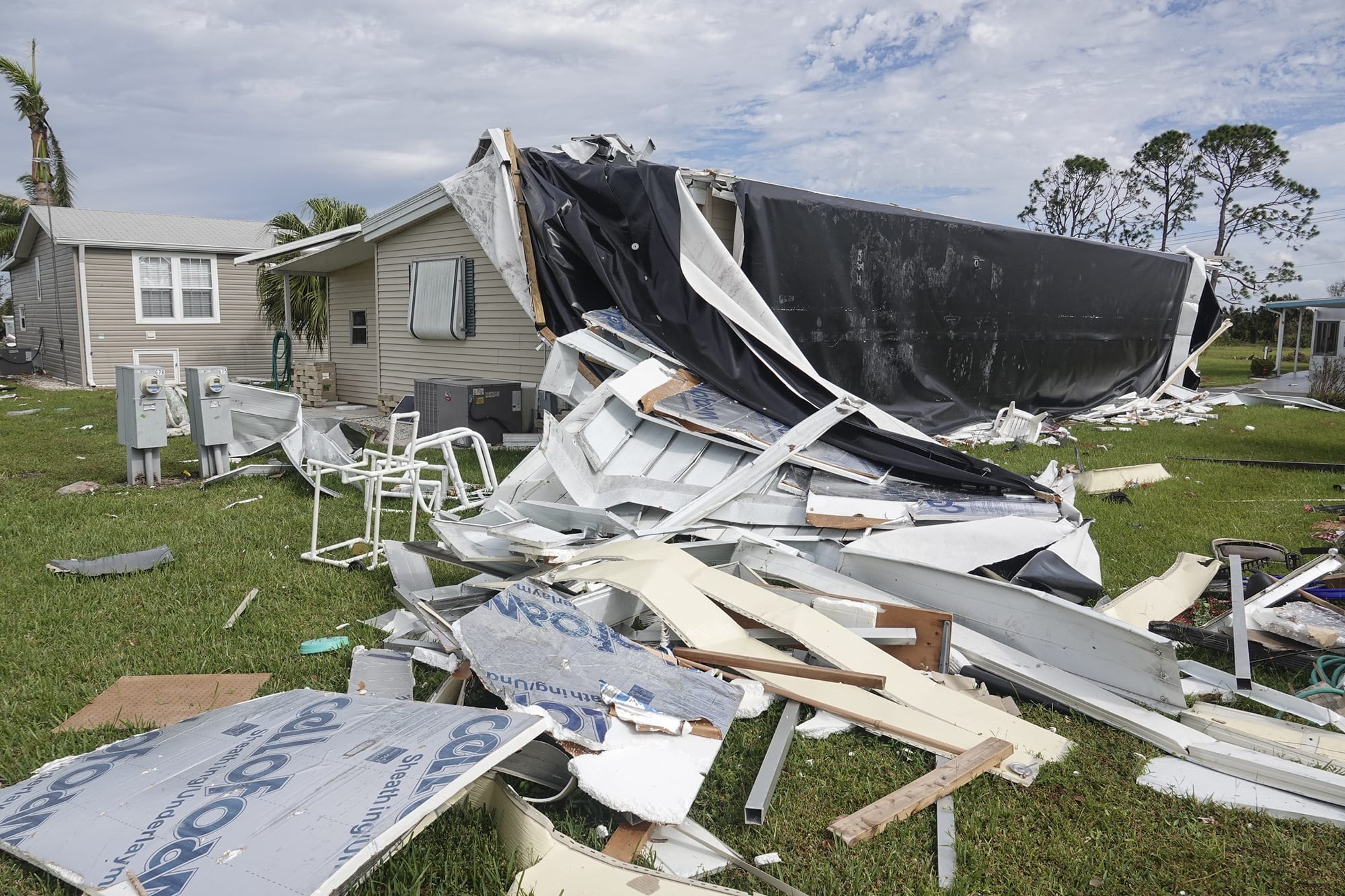
Florida’s insurance commissioner says even industry pros struggle to read today’s 150‑page homeowners policies—leaving residents shocked when hurricane claims are denied. With rising premiums, high replacement costs, and widespread confusion over exclusions like flood and water damage, the state is pushing for simpler, clearer policy language so homeowners know what they’re actually covered for before the next storm hits.
Following the 2025 elections, major metros like New York, Chicago, Miami, Los Angeles, and Boston are implementing policy shifts that could reshape property values, rental income, development timelines, and investment strategy heading into 2026. From New York’s push toward aggressive rent reform to Chicago’s sustainability mandates and Miami’s uncertain mayoral runoff, these changes signal a new era where local politics increasingly dictate market performance. This breakdown highlights the biggest post‑election real estate pivots and what they mean for investors, agents, and finance professionals preparing for a rapidly evolving landscape.
Florida’s Insurance Commissioner is sounding the alarm after thousands of homeowners discovered—only after hurricanes Helene and Milton—that the coverage they thought they had didn’t exist. With nearly 150,000 unpaid claims tied to misunderstood flood exclusions, water‑damage caps, and buried policy clauses, state leaders are pushing to simplify the dense, confusing documents most Floridians never read. As insurance costs remain one of the state’s top concerns, this growing complexity is creating a massive opportunity for real estate, mortgage, and insurance professionals to guide consumers before disaster strikes.
Florida’s insurance market is reliving an old crisis under a new name. Despite reforms meant to stabilize the system, homeowners are being forced out of Citizens and into pricier policies from small insurers with shaky financial histories. Companies tied to past insolvencies are returning with fresh branding, while highly rated carriers continue to deny a majority of claims. With political influence muddying regulation and climate risks rising, experts warn that only a full structural overhaul—not cosmetic reforms—can restore confidence for homeowners, agents, and the entire real estate market.