Tokenization: Reshaping Financial Landscapes
The advent of
blockchain technology and
decentralized finance (DeFi) is revolutionizing how we perceive and interact with financial markets. Central to this transformation is the concept of
tokenization, a process that converts assets into digital tokens on a blockchain, enhancing security, accessibility, and liquidity.
Tokenization is breaking down traditional barriers by fractionalizing assets, allowing investors with modest incomes to access markets like real estate and art. This democratization is particularly transformative for sectors historically dominated by high entry requirements. By 2030,
real estate is expected to become the largest type of tokenized asset, signaling a significant shift in investment landscapes.
Understanding Tokenization
Tokenization involves transforming ownership of tangible and intangible assets into digital tokens, each representing a stake in the asset’s value or returns. These tokens are stored on a blockchain, ensuring data integrity and security through its decentralized nature. This technological foundation prevents unauthorized alterations and fraud, providing a robust system for verifying and tracking ownership.
The real advantage lies in fractionalizing assets, opening investment opportunities to a broader audience. This approach democratizes investment, particularly in markets like
real estate and fine art, traditionally dominated by high entry barriers.
Impact on Real Estate and Art
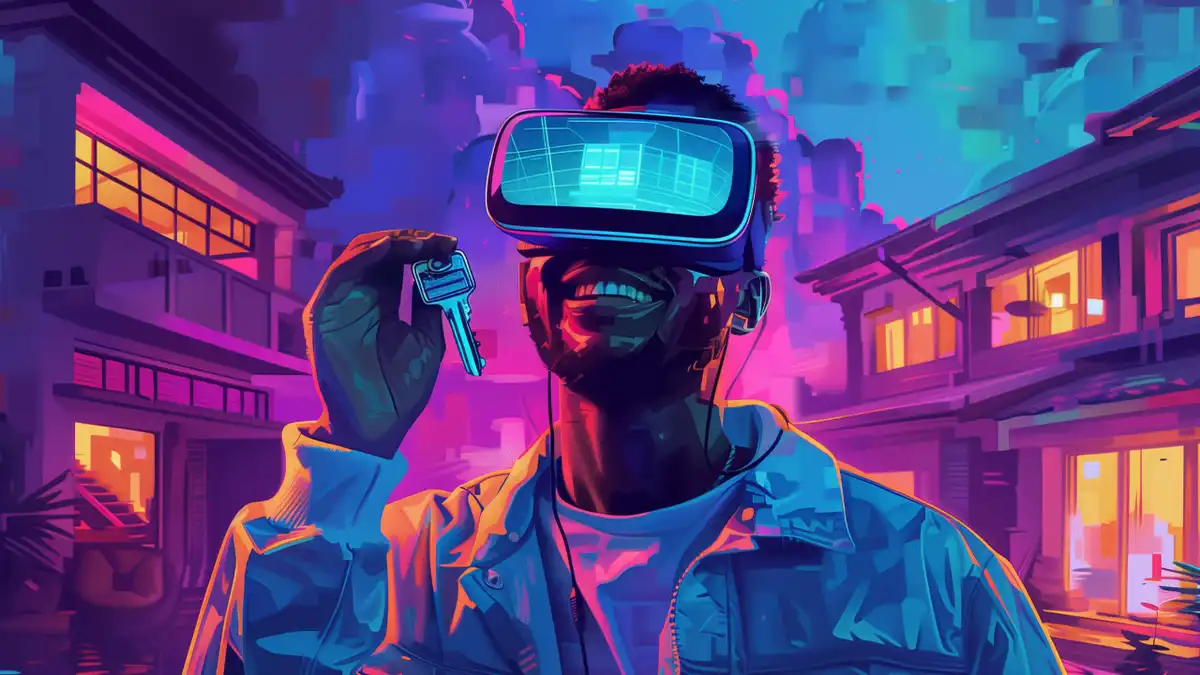
Real estate, characterized by high capital requirements and transactional complexity, is undergoing a transformation through
tokenization. It utilizes
DeFi to make property investment more accessible and liquid. Investors can now invest in real estate with considerably lower initial capital through fractional shares, broadening the pool of potential investors and enhancing market liquidity.
Similarly, the
art market is experiencing a revolution. Investors can purchase
fractional shares in art, a market historically requiring significant upfront capital and insider knowledge.
Tokenization lowers financial barriers, increasing liquidity and dynamism.
This type of asset is more liquid because it can be bought and sold on digital platforms without physical paperwork or face-to-face meetings. This liquidity allows investors to convert their investments into cash much faster than traditional real estate or art sales.
Addressing Challenges
While the potential is revolutionary,
tokenization faces hurdles, including regulatory uncertainties, technological integration difficulties, investor skepticism, and scalability issues. The industry should explore regulatory technology (
RegTech) to enhance compliance and adapt to changing legal frameworks efficiently.
Advancements in blockchain infrastructure, such as Layer-2 solutions, are crucial for scaling
tokenization to meet enterprise demands. Educating potential investors and building robust business cases are also pivotal in overcoming skepticism and demonstrating the tangible benefits and security measures associated with tokenized assets.
The Future of Financial Ecosystems
The integration of
DeFi frameworks and
tokenization is reshaping financial markets, creating a more inclusive environment. As these technologies mature, they promise to redefine economic interactions and enhance the efficacy of financial systems, marking a shift towards a more equitable financial future.
Disclaimer: The views expressed in this article are those of the author and do not necessarily reflect the opinions of CCN, its management, or its employees. This content is intended for informational purposes and should not be construed as professional advice.