Tokenization: Reshaping Financial Landscapes

The advent of blockchain technology and decentralized finance (DeFi) is revolutionizing how we perceive and interact with financial markets. Central to this transformation is the concept of tokenization, a process that converts assets into digital tokens on a blockchain, enhancing security, accessibility, and liquidity.

Tokenization is breaking down traditional barriers by fractionalizing assets, allowing investors with modest incomes to access markets like real estate and art. This democratization is particularly transformative for sectors historically dominated by high entry requirements. By 2030, real estate is expected to become the largest type of tokenized asset, signaling a significant shift in investment landscapes.

Understanding Tokenization

Tokenization involves transforming ownership of tangible and intangible assets into digital tokens, each representing a stake in the asset’s value or returns. These tokens are stored on a blockchain, ensuring data integrity and security through its decentralized nature. This technological foundation prevents unauthorized alterations and fraud, providing a robust system for verifying and tracking ownership.

The real advantage lies in fractionalizing assets, opening investment opportunities to a broader audience. This approach democratizes investment, particularly in markets like real estate and fine art, traditionally dominated by high entry barriers.

Impact on Real Estate and Art


Real estate, characterized by high capital requirements and transactional complexity, is undergoing a transformation through tokenization. It utilizes DeFi to make property investment more accessible and liquid. Investors can now invest in real estate with considerably lower initial capital through fractional shares, broadening the pool of potential investors and enhancing market liquidity.

Similarly, the art market is experiencing a revolution. Investors can purchase fractional shares in art, a market historically requiring significant upfront capital and insider knowledge. Tokenization lowers financial barriers, increasing liquidity and dynamism.

This type of asset is more liquid because it can be bought and sold on digital platforms without physical paperwork or face-to-face meetings. This liquidity allows investors to convert their investments into cash much faster than traditional real estate or art sales.

Addressing Challenges

While the potential is revolutionary, tokenization faces hurdles, including regulatory uncertainties, technological integration difficulties, investor skepticism, and scalability issues. The industry should explore regulatory technology (RegTech) to enhance compliance and adapt to changing legal frameworks efficiently.

Advancements in blockchain infrastructure, such as Layer-2 solutions, are crucial for scaling tokenization to meet enterprise demands. Educating potential investors and building robust business cases are also pivotal in overcoming skepticism and demonstrating the tangible benefits and security measures associated with tokenized assets.

The Future of Financial Ecosystems


The integration of DeFi frameworks and tokenization is reshaping financial markets, creating a more inclusive environment. As these technologies mature, they promise to redefine economic interactions and enhance the efficacy of financial systems, marking a shift towards a more equitable financial future.

Disclaimer: The views expressed in this article are those of the author and do not necessarily reflect the opinions of CCN, its management, or its employees. This content is intended for informational purposes and should not be construed as professional advice.

More Articles

Getting licensed or staying ahead in your career can be a journey—but it doesn’t have to be overwhelming. Grab your favorite coffee or tea, take a moment to relax, and browse through our articles. Whether you’re just starting out or renewing your expertise, we’ve got tips, insights, and advice to keep you moving forward. Here’s to your success—one sip and one step at a time!

2025 Commercial Real Estate Outlook: Navigating a New Era

The commercial real estate landscape is on the brink of transformation as leaders seek to navigate the challenges of recent years and position their organizations for future opportunities.

The Emerging Mental Health Crisis Among Healthcare Workers During the COVID-19 Pandemic

The pandemic has ushered in a wave of mental health challenges that affect healthcare workers profoundly. From the onset of COVID-19, these professionals have been at the forefront, facing immense pressure, long hours, and the constant fear of exposure.

By |December 18, 2024|Categories: Article, Healthcare Workers, Mental Health|Tags: , |0 Comments

Ethical Concerns of Large Language Models in Healthcare

Exploring the dual nature of LLMs offers substantial benefits in healthcare but also raises significant ethical concerns, underscoring the need for well-defined guidelines and human oversight.

The Role of Wearable Devices in Chronic Disease Monitoring and Patient Care: A Comprehensive Review

Wearable devices have become integral in managing chronic conditions by providing continuous health data, empowering patients and healthcare professionals with insights that were previously unattainable.

AI Training Mandates: Navigating Legal Waters in Dentistry

The integration of artificial intelligence (AI) into dental practices is more than a technological trend; it represents a seismic shift in the industry. This transformation is reshaping skill sets and prompting a thorough examination of legal and ethical implications.

By |December 17, 2024|Categories: Article, Legal, Technology|Tags: , |0 Comments

Smart Home Energy Management Devices: A Market Poised for Growth

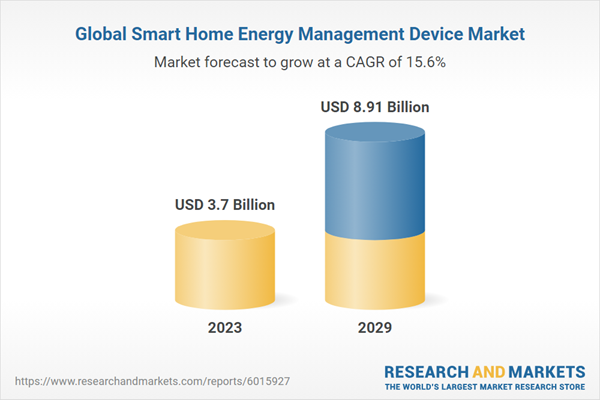
The Global Smart Home Energy Management Device Market is on the brink of a significant transformation, driven by escalating demands for energy-efficient solutions and the increasing adoption of smart home technologies.