Too Many Cooks in the Kitchen? The 2026 Insurance Outlook Everyone’s Talking About
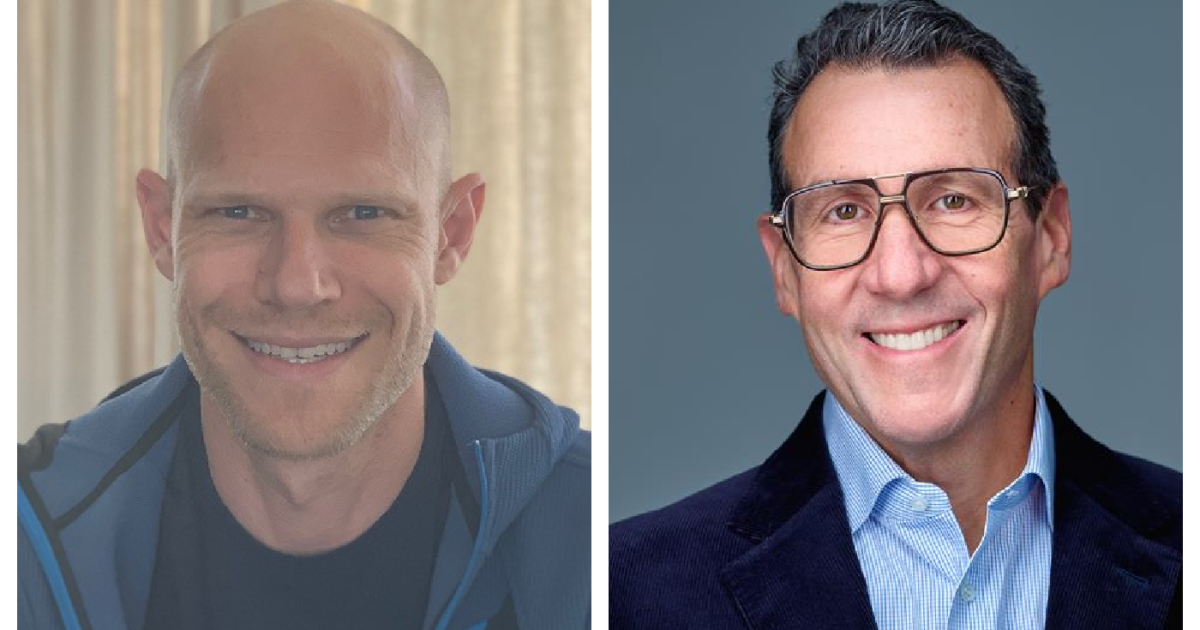
If you enjoy starting your morning with a pulse check on the global economic landscape, the latest episode of Current Account is absolutely worth a listen. Hosted by Clay Lowery and joined by industry heavyweights Jérôme Haegeli of Swiss Re and Philippe Brahin of the IIF, this episode dives headfirst into one of the most complex insurance environments in recent memory.
From shifting regulations to geopolitical uncertainty, insurers today are navigating a marketplace where the rules are changing while the game is still being played. And just like the episode title hints, there may indeed be “too many cooks in the kitchen” influencing risks, decisions, and opportunities.
Lowery, Haegeli, and Brahin map out the major forces driving uncertainty — and possibility — across the insurance landscape. Trade tensions remain volatile, technological disruption keeps accelerating, and natural catastrophe exposures continue climbing each year. Each force pushes from a unique angle, challenging insurers to rethink underwriting, capital strategies, and risk models.
A major emphasis throughout the episode is the ongoing global quest to shrink protection gaps. Insurers are experimenting with new frameworks, forming fresh collaborations, and leaning harder on data-driven decision-making to stay ahead of rapid change.
A Regulatory Shake-Up: What FSOC’s Future Means
Perhaps the most eyebrow-raising section of the episode is the discussion about the U.S. Treasury’s announcement on the future direction of the Financial Stability Oversight Council (FSOC). Any shift in FSOC’s posture could reshape how insurers approach systemic risk, regulatory expectations, and compliance infrastructure.
This is where professional education becomes more than a checkbox — it becomes a competitive advantage. With licensing, renewals, and industry updates happening faster than ever, many professionals are choosing ongoing education to stay sharp. At Cameron Academy, we’ve seen a notable rise in students using their continuing education to strengthen their long-term career strategy.
Looking Ahead: What’s Coming in 2026 and Beyond
Looking toward 2026, the industry isn’t slowing down — even if global premium growth is. Forecasts suggest premiums will expand at just 2.3% in real terms, slightly below prior years. That means profitability, efficiency, and resilience will depend on companies’ agility in a risk climate that refuses to sit still.
For professionals entering or advancing in insurance, financial services, or risk management, this changing landscape offers both challenge and opportunity. It’s an ideal season to sharpen skills, broaden licensing, or pursue additional certifications — all of which Cameron Academy proudly supports across the country.
Current Account returns in January 2026, and if this episode is any indicator, the coming year promises to be one of the most transformative yet for the insurance sector.
More Articles
Getting licensed or staying ahead in your career can be a journey—but it doesn’t have to be overwhelming. Grab your favorite coffee or tea, take a moment to relax, and browse through our articles. Whether you’re just starting out or renewing your expertise, we’ve got tips, insights, and advice to keep you moving forward. Here’s to your success—one sip and one step at a time!
Seattle now holds the second‑highest office vacancy rate in the nation at 26.6%, with some downtown areas soaring past 35% and Pioneer Square reaching 50%. Mayor‑elect Katie Wilson steps into office with bold proposals—including a vacancy tax and office‑to‑housing conversions—amid tech pullbacks, shifting work habits, and investor uncertainty. Despite alarming numbers, signs of resilience remain, offering opportunities for savvy real estate professionals watching this market transform in real time.
Florida lawmakers are once again targeting the fast‑growing litigation‑financing industry with House Bill 1157, a proposal that would restrict how outside investors participate in lawsuits. The bill would limit funder influence, cap their share of settlements, and require new disclosures—especially for foreign‑backed financing. As similar measures emerge nationwide, the outcome could significantly impact professionals across law, insurance, finance, and real estate who depend on predictable risk and regulatory environments.
Starting April 1, Philadelphia homeowners and renters with federal flood insurance will see a 15% reduction in their premiums thanks to the city joining FEMA’s Community Rating System. The discount reflects Philadelphia’s growing investment in flood‑risk mitigation and is expected to save residents and businesses more than $424,000 annually. Beyond easing household expenses, the change also reshapes how real estate and insurance professionals evaluate flood‑zone properties, opening the door to improved affordability and stronger buyer confidence.
Newrez is doubling down on artificial intelligence with a strategic investment in Homevision, an advanced AI underwriting platform designed to automate collateral, income, assets, credit, and full loan decisioning. After seeing Homevision’s MIRA system boost collateral underwriting efficiency, Newrez plans to expand the technology in 2026—signaling a breakthrough year for real-time automated underwriting across the mortgage industry.
A new United Van Lines migration report reveals that Americans are trading big-city ambition for affordability, shorter commutes, and better quality of life—reshaping where and how commercial real estate will grow. Southern and smaller markets continue to attract new residents, but pandemic‑era assumptions of endless demand are fading as rent growth cools and new inventory floods the market. For investors and real estate professionals, the opportunity now lies in affordable housing, modest office parks, value‑focused retail, and support‑industrial spaces like self‑storage.
The 2026 housing market is finally shifting into balance, with economists forecasting rising home sales, improved affordability, and a more diverse buyer pool. Inventory is up, mortgage rates are easing, and demographic changes—from returning first-time buyers to dominant baby boomers—are reshaping demand. New construction is stabilizing, price growth is moderating, and millions of buyers could re-enter the market as rates fall toward 6 percent. For real estate professionals, this rebalanced environment offers fresh opportunities for growth, strategy, and education.