In a world where the only constant is change, the real estate industry is bracing itself for a transformative year ahead. The Counselors of Real Estate, a global organization of property advisers, has unveiled its annual report, spotlighting the top 10 issues poised to impact the real estate market in 2025.
Political Uncertainty
Political uncertainty looms large with elections in over 70 countries, including the United States, potentially reshaping regulations and policies crucial to real estate. As Anthony DellaPelle, global chair of CRE, notes, these elections could significantly influence trade, corporate taxes, and sustainability policies.
High Financing Costs
Despite a decrease in interest rates, high financing costs continue to cast a shadow over the market. This has made transactions more cautious and complex, with market valuations remaining a tricky terrain to navigate.
Rising Insurance Costs
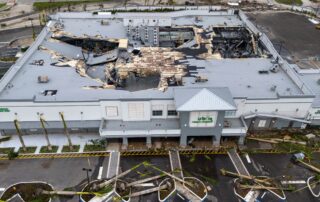
The specter of rising insurance costs looms, driven by natural disasters and inflation. With 2023 witnessing $380 billion in economic losses, the need for enhanced risk management strategies has never been more urgent.
Artificial Intelligence
Artificial intelligence is carving out its niche in real estate, with professionals increasingly adopting AI to optimize processes. However, challenges such as data fragmentation and the need for robust computing power persist.
Geopolitics and Regional Wars
Geopolitical conflicts, like those in Ukraine and Gaza, continue to disrupt supply chains and contribute to labor shortages. These factors are expected to keep influencing market dynamics.
Loan Maturities Deadlines
With $1.8 trillion in commercial real estate loans set to mature by 2026, the market faces potential hurdles in terms of loan extensions and regulatory complications.
Housing Affordability
The perennial issue of housing affordability is exacerbated by rising costs and an inventory shortage. The report warns of harsher affordability challenges ahead, urging for increased construction and preservation of affordable units.
Sustainability
Climate change is prompting a call for sustainability in buildings to mitigate damage from extreme weather events. While U.S. regulations remain inconsistent, stricter European standards highlight the urgency for better sustainability practices.
Office Conversions
The office market is undergoing a transformation as vacancy rates rise, pushing towards the conversion of office spaces into residential or other adaptive uses. This shift, though complex, holds potential for revitalizing urban areas.
Price Gap Expectations
A shift in the pricing landscape shows hope as previously large price gaps start to narrow, promising stabilization in asset values.
For those eager to delve deeper into these insights, Anthony DellaPelle will discuss these findings further on November 10 at NAR NXT, The REALTOR® Experience in Boston.
As the real estate industry stands on the cusp of significant change, stakeholders must navigate these challenges and opportunities with agility and foresight. The path forward will require a delicate balance of political acumen, technological adoption, and sustainable practices to thrive in 2025 and beyond.
“`
More Articles
Getting licensed or staying ahead in your career can be a journey—but it doesn’t have to be overwhelming. Grab your favorite coffee or tea, take a moment to relax, and browse through our articles. Whether you’re just starting out or renewing your expertise, we’ve got tips, insights, and advice to keep you moving forward. Here’s to your success—one sip and one step at a time!
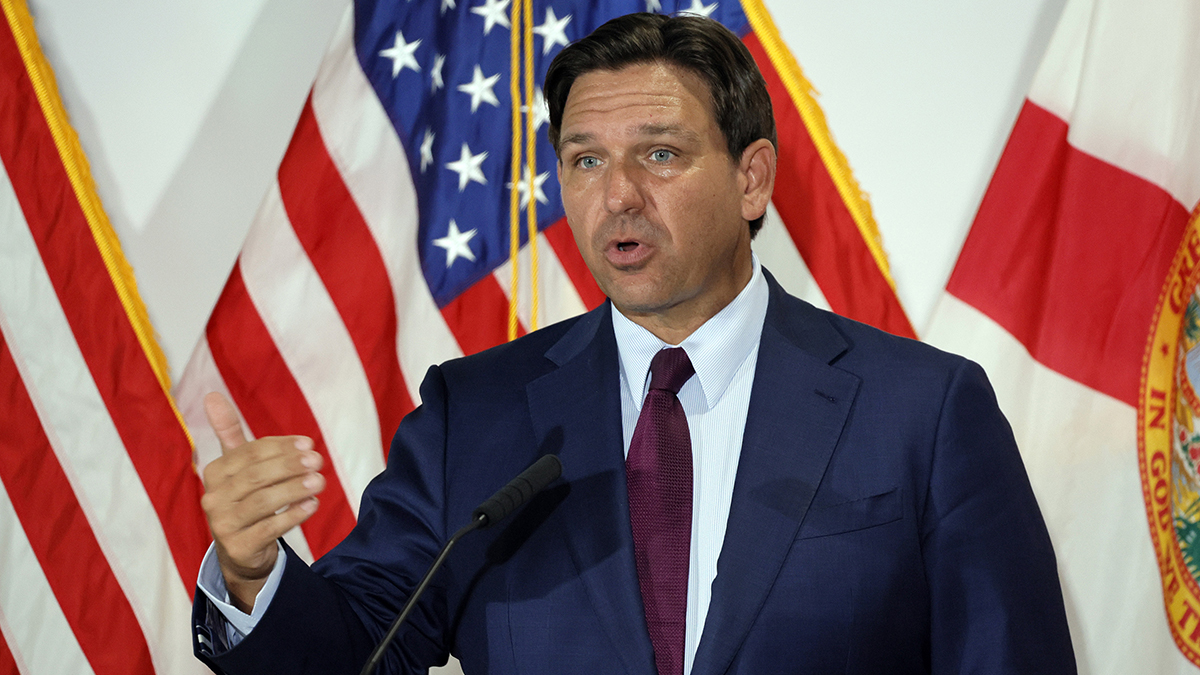
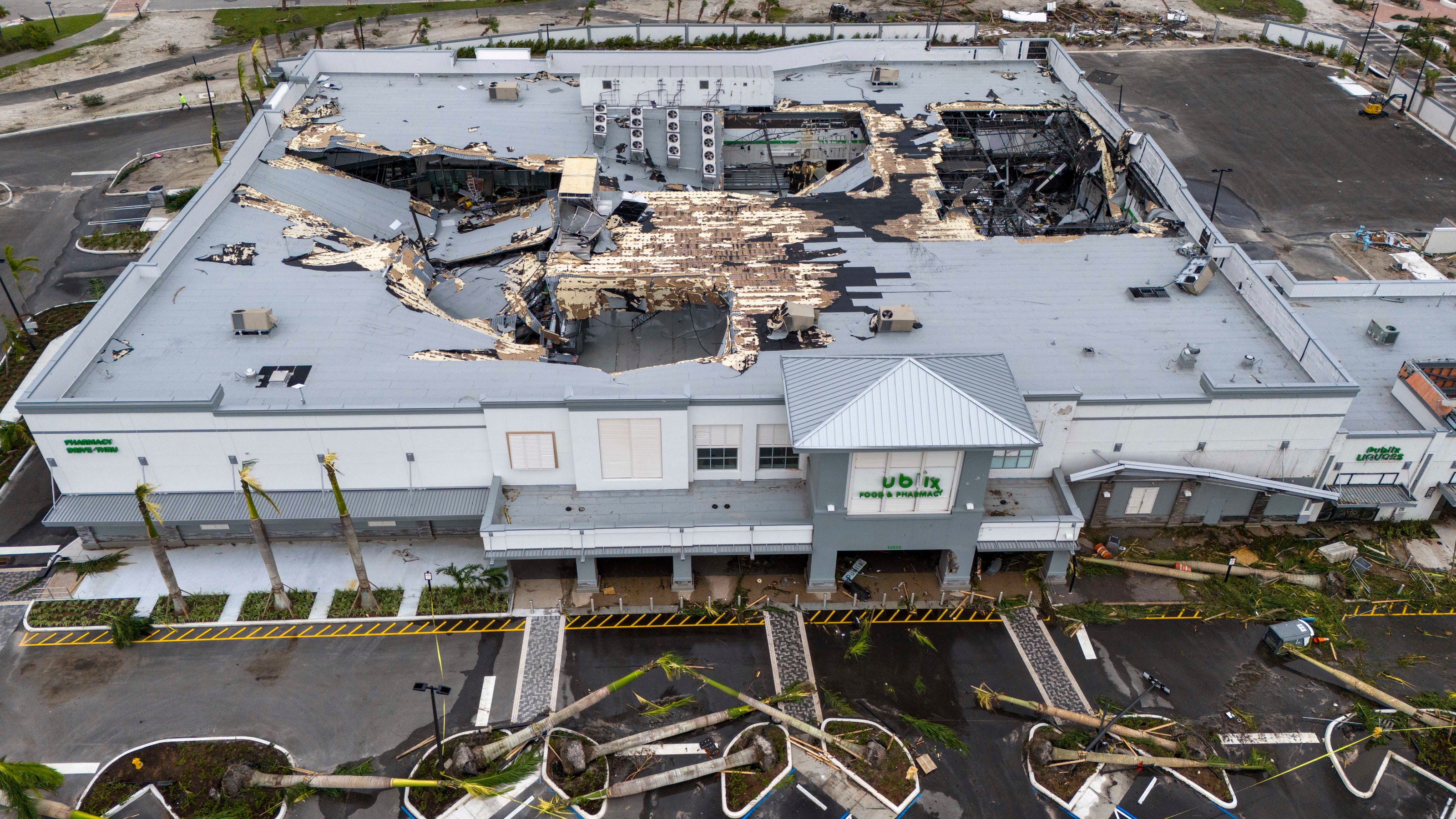
Florida homeowners — especially in hard‑hit South Florida — are set to see rare and substantial reductions in their property insurance premiums. Gov. Ron DeSantis announced an average statewide Citizens Insurance decrease of 8.7%, with even larger savings of up to 14% in counties like Miami-Dade, Broward, and Palm Beach. State officials credit recent legal and regulatory reforms for stabilizing the market, attracting new insurers, and delivering the first meaningful rate relief Floridians have seen in years.
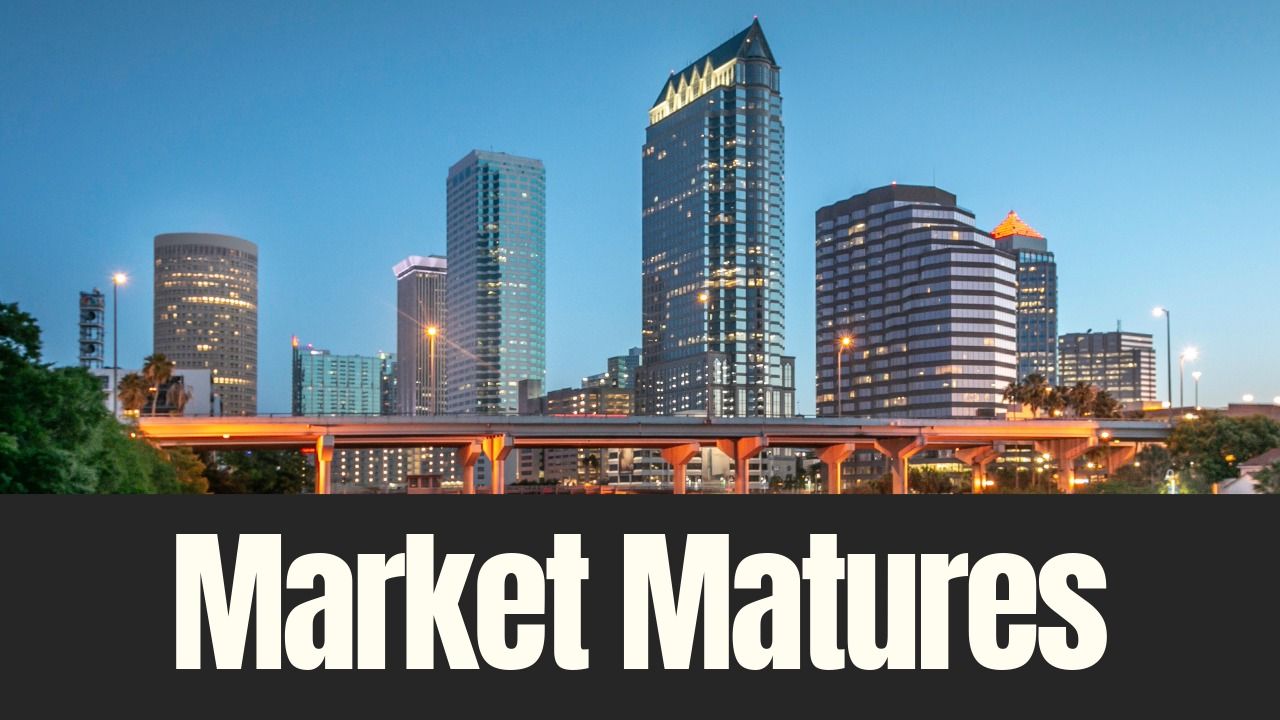
Tampa’s commercial real estate market isn’t slowing—it’s maturing. With strong population growth, rising office demand, a normalized industrial sector, resurgent retail, and an emerging health‑care real estate boom, investors are shifting from speed to strategy. Tighter underwriting, cautious capital and increased due‑diligence are shaping a more disciplined market, creating new opportunities for informed professionals.
Florida homeowners are finally seeing relief as Citizens Property Insurance announces a major 8.7% average rate decrease—far larger than originally proposed. Driven by legislative reforms, fewer lawsuits, and a calm hurricane season, the state’s once‑unstable insurance market is showing real signs of recovery. But with reduced coverage limits and shifting legal protections, experts warn that lower premiums may come with hidden trade‑offs.
After a decade of rising premiums and retreating carriers, Florida homeowners are finally seeing long‑awaited relief. Dozens of insurers have filed for rate decreases—some as high as 11%—thanks to legislative reforms and a stabilizing market. Early approvals are already hitting counties across the state, and experts say the momentum could boost buyer confidence, affordability, and competition throughout Florida’s real estate and insurance sectors.
After years of slowed activity caused by rising interest rates, the self‑storage industry is heating up again. New data from Marcus & Millichap shows a fresh market cycle emerging, driven by renewed buyer confidence, recalibrated pricing, and stronger lender participation. Acquisitions are rebounding, development is resetting in a healthier direction, and financing conditions are improving—creating one of the most promising investment landscapes the sector has seen in years.
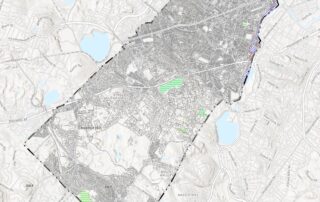
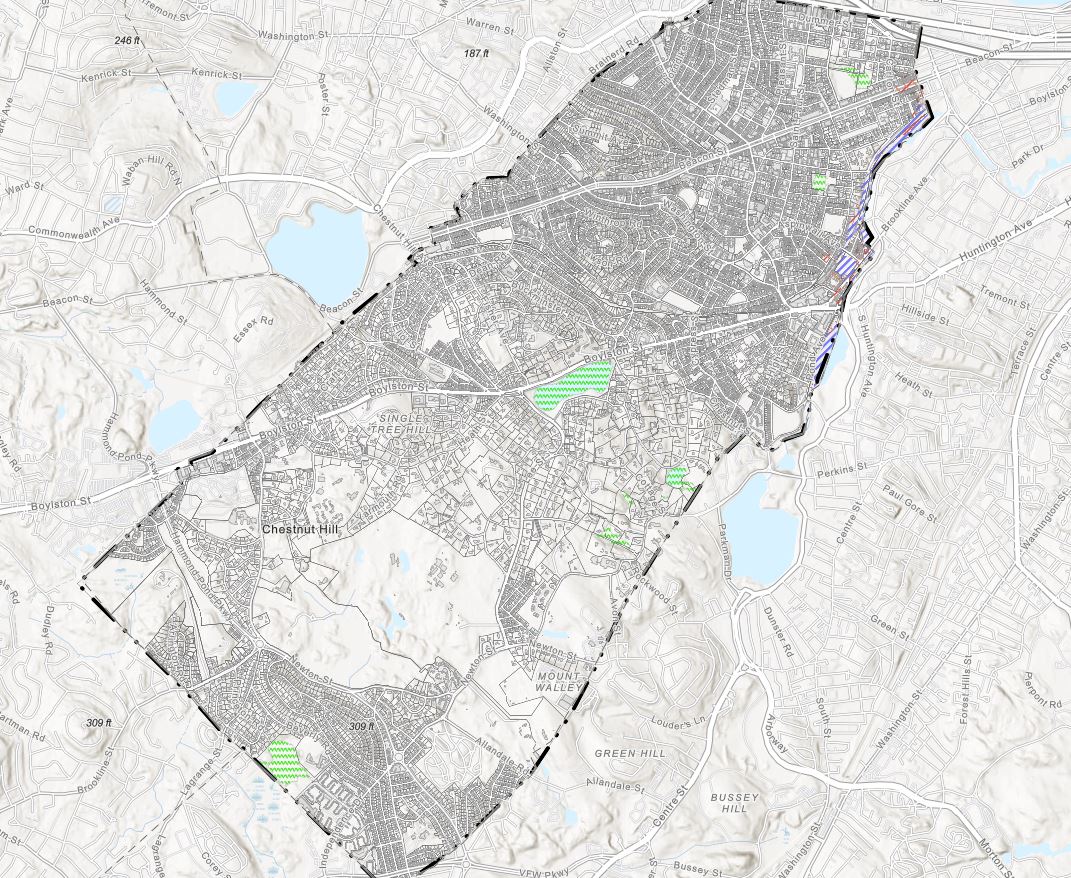
Brookline’s newly updated FEMA flood maps identify 97 high‑risk parcels, but local experts warn the true threat is far greater. While FEMA highlights river‑based flooding around Leverett Pond and the Muddy River, alternative models show more than 1,300 Brookline properties at risk within 30 years. Hidden vulnerabilities along major corridors like Beacon Street, rising rainfall intensity, aging infrastructure, and climate‑driven storm patterns suggest that many “low‑risk” areas may be anything but safe.