In a world where the only constant is change, the real estate industry is bracing itself for a transformative year ahead. The Counselors of Real Estate, a global organization of property advisers, has unveiled its annual report, spotlighting the top 10 issues poised to impact the real estate market in 2025.
Political Uncertainty
Political uncertainty looms large with elections in over 70 countries, including the United States, potentially reshaping regulations and policies crucial to real estate. As Anthony DellaPelle, global chair of CRE, notes, these elections could significantly influence trade, corporate taxes, and sustainability policies.
High Financing Costs
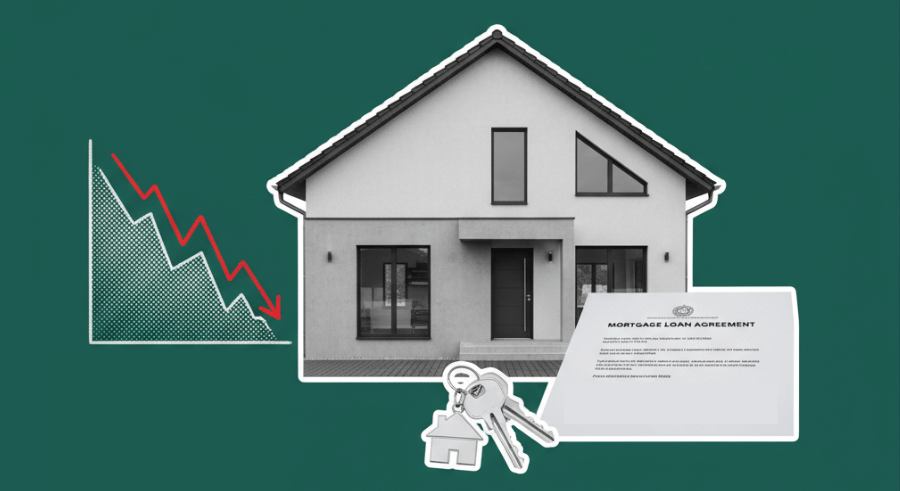
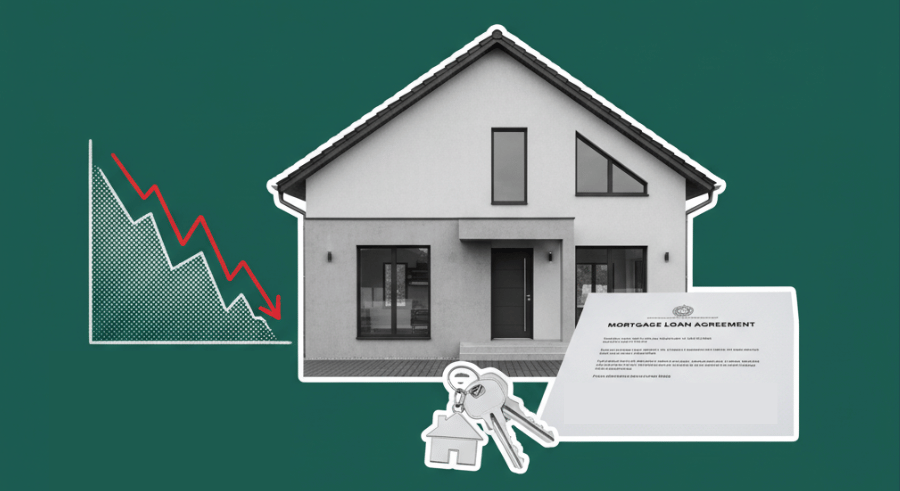
Despite a decrease in interest rates, high financing costs continue to cast a shadow over the market. This has made transactions more cautious and complex, with market valuations remaining a tricky terrain to navigate.
Rising Insurance Costs
The specter of rising insurance costs looms, driven by natural disasters and inflation. With 2023 witnessing $380 billion in economic losses, the need for enhanced risk management strategies has never been more urgent.
Artificial Intelligence
Artificial intelligence is carving out its niche in real estate, with professionals increasingly adopting AI to optimize processes. However, challenges such as data fragmentation and the need for robust computing power persist.
Geopolitics and Regional Wars
Geopolitical conflicts, like those in Ukraine and Gaza, continue to disrupt supply chains and contribute to labor shortages. These factors are expected to keep influencing market dynamics.
Loan Maturities Deadlines
With $1.8 trillion in commercial real estate loans set to mature by 2026, the market faces potential hurdles in terms of loan extensions and regulatory complications.
Housing Affordability
The perennial issue of housing affordability is exacerbated by rising costs and an inventory shortage. The report warns of harsher affordability challenges ahead, urging for increased construction and preservation of affordable units.
Sustainability
Climate change is prompting a call for sustainability in buildings to mitigate damage from extreme weather events. While U.S. regulations remain inconsistent, stricter European standards highlight the urgency for better sustainability practices.
Office Conversions
The office market is undergoing a transformation as vacancy rates rise, pushing towards the conversion of office spaces into residential or other adaptive uses. This shift, though complex, holds potential for revitalizing urban areas.
Price Gap Expectations
A shift in the pricing landscape shows hope as previously large price gaps start to narrow, promising stabilization in asset values.
For those eager to delve deeper into these insights, Anthony DellaPelle will discuss these findings further on November 10 at NAR NXT, The REALTOR® Experience in Boston.
As the real estate industry stands on the cusp of significant change, stakeholders must navigate these challenges and opportunities with agility and foresight. The path forward will require a delicate balance of political acumen, technological adoption, and sustainable practices to thrive in 2025 and beyond.
“`
More Articles
Getting licensed or staying ahead in your career can be a journey—but it doesn’t have to be overwhelming. Grab your favorite coffee or tea, take a moment to relax, and browse through our articles. Whether you’re just starting out or renewing your expertise, we’ve got tips, insights, and advice to keep you moving forward. Here’s to your success—one sip and one step at a time!
Tokenization has surged from crypto niche to global financial disruptor as institutions like Robinhood, BlackRock, and Coinbase race to digitize real-world assets. With pro‑crypto political momentum, shifting regulations, and private companies resisting newfound transparency, this emerging wave is transforming how investments are bought, sold, and accessed. For professionals in real estate, finance, lending, and insurance, this shift signals massive opportunity—and equally massive responsibility—as the next era of asset ownership takes shape.
Florida homeowners are finally getting relief as Citizens Property Insurance announces an average 8.7% statewide rate reduction for 2026, with South Florida seeing cuts as high as 14%. Driven by recent tort reforms and a stabilizing market, these decreases signal a major turnaround for an industry once on the brink of collapse — and a potential boost for real estate activity across the state.
After years of roller‑coaster chaos, the 2026 U.S. housing market is easing into something professionals haven’t seen in a long time: balance. Inventory growth has slowed to just 10% year over year—down sharply from 2025’s surge—signaling the end of the pandemic‑era scarcity and the rise of a market driven by real‑time demand and interest rates. With seasonal patterns returning, negotiations replacing bidding wars and rates drifting toward 6%, agents, lenders and investors are finally navigating conditions that look… normal.
More than half of Gen Z investors say they entered the stock market because of social media—not textbooks, not advisors. Viral creators, AI tools, and crypto trends are reshaping how young adults learn about money, invest early, and chase financial freedom. This Fortune‑featured shift highlights a generation determined to build wealth fast, trust digital voices over traditional institutions, and redefine financial education for the future.
After years of extremes, the U.S. housing market is shifting into a more balanced, predictable phase. Inventory growth has cooled from last year’s surge, seasonality is returning, and pricing is becoming increasingly rate‑sensitive. With mortgage rates hovering near 6% and policy changes reshaping investor participation, 2026 is emerging as a negotiation‑driven market where skilled agents, lenders, builders, and investors have a renewed advantage. This new landscape rewards strategy, education, and real‑time demand awareness—making it an ideal moment for professionals to refine their approach and capitalize on the market’s normalization.
A sudden policy shift at the start of 2026 is already pushing mortgage rates lower, dipping them under 6% for the first time in months. New projections suggest the government-sponsored enterprises’ $200 billion in mortgage‑backed securities purchases could accelerate rate declines throughout the year, boosting affordability, home sales, and overall market activity for buyers, sellers, and real estate professionals alike.