Top 5 Things to Know Before Purchasing a Florida Pre-License Real Estate Course

Choosing the right Florida real estate pre-license course is crucial to passing the licensing exam and starting your career successfully. Not all courses offer the same value—considering accreditation, format, pass rates, study materials, and costs is essential. Here’s everything you need to know before enrolling.

1. State Accreditation & Compliance

Florida Real Estate Commission (FREC) Approval

The Florida Real Estate Commission (FREC), part of the Department of Business & Professional Regulation (DBPR), mandates that aspiring real estate professionals complete a 63-hour pre-license course from an approved provider.

Why Accreditation Matters

  • Only FREC-approved courses count toward state licensing requirements.
  • Non-approved courses are a waste of time and money—you won’t be eligible for the state exam.
  • Approved courses follow FREC’s official syllabus, ensuring the best preparation.

How to Verify Accreditation

Before enrolling, verify that your course provider is on Florida’s DBPR-approved list. If a provider does not clearly state its FREC approval, consider it a red flag.

2. Course Format & Flexibility

Choosing the Right Learning Format

  • Online (Self-Paced): Learn at your own pace, ideal for busy schedules.
  • Live Online (Instructor-Led): Attend virtual classes with real-time guidance.
  • In-Person: Classroom setting with structured learning and networking.
  • Hybrid (Mixed Learning): Combination of self-study and live instruction.

Comparing Top Providers

Provider Formats Offered Live Instructor Access
Cameron Academy Self-Paced, Live Online, In-Person Yes
The CE Shop Self-Paced No
Colibri Real Estate Self-Paced, Live Stream Yes (Premium Plans)
Kaplan Self-Paced, Live Online Yes

3. Pass Rates & Reputation

Florida Real Estate Exam Pass Rates

The Florida real estate exam has an average 50-60% first-time pass rate. Choosing a course with a strong track record increases your chances of success.

How Major Providers Compare

  • The CE Shop: Reports a 90%+ pass rate.
  • Colibri Real Estate: Offers a “Pass or Don’t Pay” guarantee.
  • Cameron Academy: Highly rated by students with strong instructor-led training.

4. Included Study Materials & Support

Essential Features to Look For

  • Practice Exams & Simulators: Full-length tests for exam readiness.
  • Instructor Support: Access to Q&A, live coaching, and tutoring.
  • Study Guides & Summaries: Condensed notes for last-minute review.

Course Comparison

Provider Practice Exams Live Q&A Study Guides
Cameron Academy Yes Yes Yes
The CE Shop Yes (Premium) No Yes
Colibri Real Estate Yes Yes (Premium) Yes
Kaplan Yes Yes Yes

5. Pricing, Refunds & Additional Costs

Pricing Tiers

  • Budget Options: $70 – $150 (Minimal features, text-based courses).
  • Mid-Range: $200 – $400 (Includes exam prep, video lessons).
  • Premium: $400 – $800 (Live instruction, career support).

Refund & Pass Guarantees

  • The CE Shop: 30-day refund policy.
  • Colibri Real Estate: “Pass or Don’t Pay” guarantee.
  • Cameron Academy: Student-friendly policies with high ratings.

Final Thoughts

Choosing the right Florida pre-license real estate course is essential for success. Whether you prefer a flexible online program or structured in-person training, ensure the course is FREC-approved, offers high-quality study materials, and has a proven track record. Cameron Academy, The CE Shop, and Colibri Real Estate all offer excellent options based on your learning style and budget.


More Articles

Getting licensed or staying ahead in your career can be a journey—but it doesn’t have to be overwhelming. Grab your favorite coffee or tea, take a moment to relax, and browse through our articles. Whether you’re just starting out or renewing your expertise, we’ve got tips, insights, and advice to keep you moving forward. Here’s to your success—one sip and one step at a time!

Florida’s Political Storm: Immigration Protests, Insurance Shakeups, and Health Care Uncertainty

Palm Beach protests erupted as intensified immigration enforcement reached the heart of Trump’s hometown, while millions in Florida brace for rising health care costs as key subsidies near expiration. At the same time, state regulators boldly declare the long‑running property insurance crisis “over,” leaving homeowners and industry professionals questioning whether true stability has finally returned.

Real Estate Strategic Outlooks: Year-End 2025

As 2025 comes to a close, the real estate industry is shifting from uncertainty to strategic expansion. According to DWS’s Year-End 2025 Outlook, property values are stabilizing after years of repricing, capital is concentrating on high-quality assets, and Sunbelt markets—especially Florida—continue to outperform. With technology enhancing rather than replacing professional expertise, 2026 is shaping up to reward professionals who stay informed, skilled, and strategically positioned for the next cycle.

Texas Investors Ride Into San Francisco, Snapping Up Union Square Deals as the Market Hits Bottom

Texas capital is pouring into San Francisco’s long‑struggling commercial real estate market, with Lone Star investors buying up discounted Union Square buildings and signaling what many experts believe is the city’s market bottom. As office activity and confidence begin to return, buyers from across the country are joining the rush, turning SF’s post‑pandemic slump into one of the nation’s hottest bargain opportunities.

2026 Tech100 Countdown: Housing Tech Innovation Surges as Nomination Window Closes

With 2026 HousingWire Tech100 nominations closing on December 19, the housing tech sector is accelerating at full speed. AI‑powered data platforms, digital closing breakthroughs, embedded insurance growth, and next‑generation servicing automation are reshaping real estate, mortgage, insurance, and finance. From ATTOM’s AI‑ready property intelligence to Hapi Homes’ Martha Stewart design revival, Obie’s nationwide expansion, Outamation’s servicing automation, and ServiceLink’s next‑level borrower scheduling, this year’s standout innovators are defining the future of the housing economy.

Woodland Hills Retail Center Sold for $64 Million in Major Southern California CRE Deal

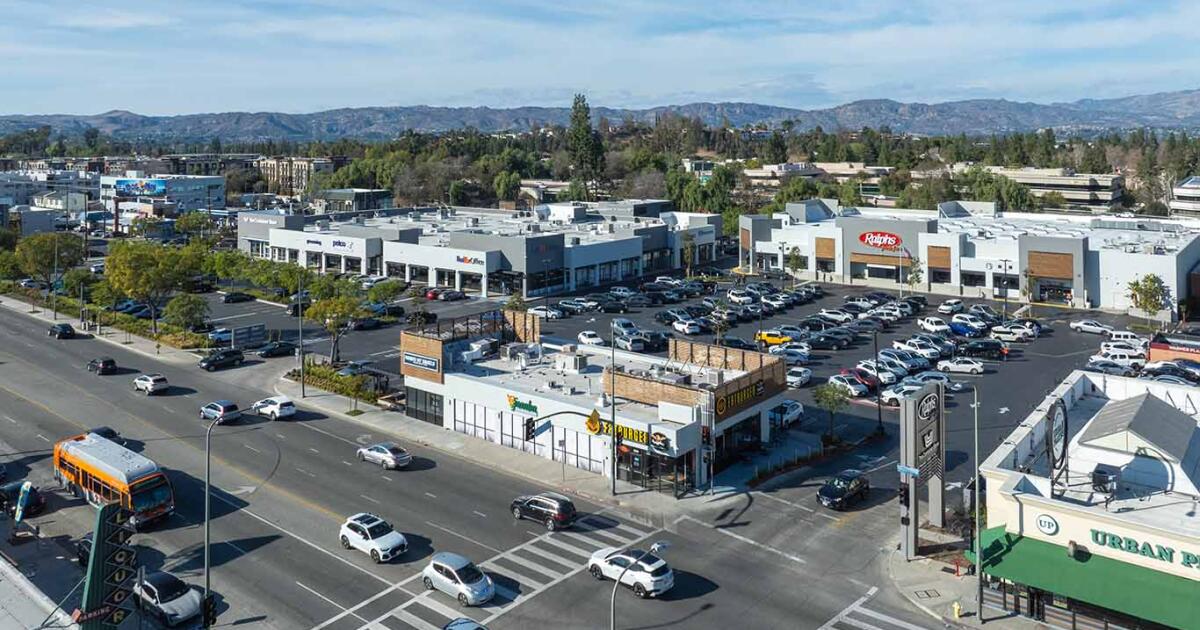
Space Investment Partners has acquired the 123,402‑square‑foot Topanga Gateway retail center in Woodland Hills for $64 million, marking another significant move in the firm’s expanding grocery‑anchored investment strategy. Located at a high‑visibility intersection and 97% occupied at the time of sale, the property strengthens the company’s push toward $500 million to $1 billion in retail acquisitions for 2026, underscoring continued investor confidence in necessity‑based retail assets.

Mortgage Rates Shift After Final 2025 Fed Cut: What Homebuyers Should Know Today

After the Federal Reserve’s final 2025 rate cut on December 10, mortgage markets are recalibrating, giving buyers and homeowners a glimmer of relief. Rates remain lower than earlier in the year, with 30-year fixed loans at 6.12% and refinances dipping as well. This shift may spark renewed activity for buyers, refinancers, and real estate professionals heading into 2026.