Top Commercial Real Estate Issues to Watch in 2026: What Professionals Need to Know
The commercial real estate landscape is heading into 2026 with a blend of opportunity, volatility, and innovation. At NAR NXT: The Realtor® Experience in Houston, The Counselors of Real Estate unveiled their latest “Top 10 Issues” report—an essential roadmap for professionals across the nation.
Whether you’re in Florida’s bustling real estate sector or growing your expertise nationwide, these trends are reshaping investment strategies, market behavior, and professional expectations. And as always, when you’re ready to elevate your career or expand your licensing, Cameron Academy stands ready to help you stay ahead.
1. Fiscal and Monetary Policy
The U.S. economy continues to hold strong despite global tensions and rapid AI-driven shifts. Still, some real estate segments—particularly for‑sale housing and lower‑tier office spaces—are lagging behind.
Takeaway: Why This Matters for 2026
Real estate remains an economic anchor—but one policy change could shift everything. Staying educated, agile, and informed is no longer optional.
2. Portfolio Risk at the Forefront
Risk management is becoming smarter, more predictive, and more tech-driven—yet traditional inspections still carry tremendous weight.
Why This Shift Is Important
Risk and resiliency expertise is emerging as its own specialty. Ongoing education is now a competitive advantage.
3. Back to Real Estate Fundamentals
With cap rates no longer doing all the heavy lifting, professionals are returning to the fundamentals: tenant satisfaction, operational excellence, and strong demand drivers.
4. Capital Sources and Investment Flows
Transaction volume continues to shrink, and global investors are treading cautiously. Professionals must communicate long‑term value with more precision and confidence.
5. Technology’s Rapid Transformation
AI is reshaping underwriting, cybersecurity, and property management—but disconnected building systems are slowing full adoption across the nation.
How Professionals Can Stay Ahead
The winners in 2026 will be the professionals who understand data inputs, AI applications, and evolving tech frameworks.
6. The Future of Real Estate Decision-Making
Bayesian modeling, predictive analytics, and long‑horizon forecasting are transforming how decisions are made. Location alone is no longer enough.
7. Global Uncertainty and “Chessboard” Economics
Tariffs, interest rates, and geopolitical instability are complicating even straightforward development and investment strategies.
8. Housing Attainability Challenges
Demand continues to outpace supply nationwide. With states like Rhode Island tens of thousands of units behind, public–private collaboration will be essential.
9. Pricing Risk and the Coming Debt Wave
Almost a trillion dollars in commercial debt matures in 2025, with heavy waves continuing into 2027. Refinancing remains a steep challenge.
10. The Slowing Flow of People
Household formation, migration, and population growth are decelerating. Developers may need to pivot to higher‑density zones and younger‑talent markets.
What This Means for Professionals
The age of “build it and they will come” is over. Adaptability, continuous education, and strategic foresight will define tomorrow’s leaders.
For the full original report and deeper insights, visit Florida Realtors:
Read the full article.
And if you’re ready to upgrade your license, expand your expertise, or build a more resilient career path, Cameron Academy is here to guide you every step of the way.
More Articles
Getting licensed or staying ahead in your career can be a journey—but it doesn’t have to be overwhelming. Grab your favorite coffee or tea, take a moment to relax, and browse through our articles. Whether you’re just starting out or renewing your expertise, we’ve got tips, insights, and advice to keep you moving forward. Here’s to your success—one sip and one step at a time!
Redfin forecasts a slow but meaningful return to normalcy in the U.S. housing market starting in 2026. Instead of a crash or a rapid correction, the year marks the beginning of a “Great Housing Reset” where affordability gradually improves, mortgage rates ease into the low‑6% range, home sales tick upward, and renters, buyers, and professionals finally feel less market pressure. From wage growth outpacing home prices to rising refi activity and the rise of AI‑powered real estate tools, 2026 is shaping up to be a foundational year for real estate careers and long‑term market stability.
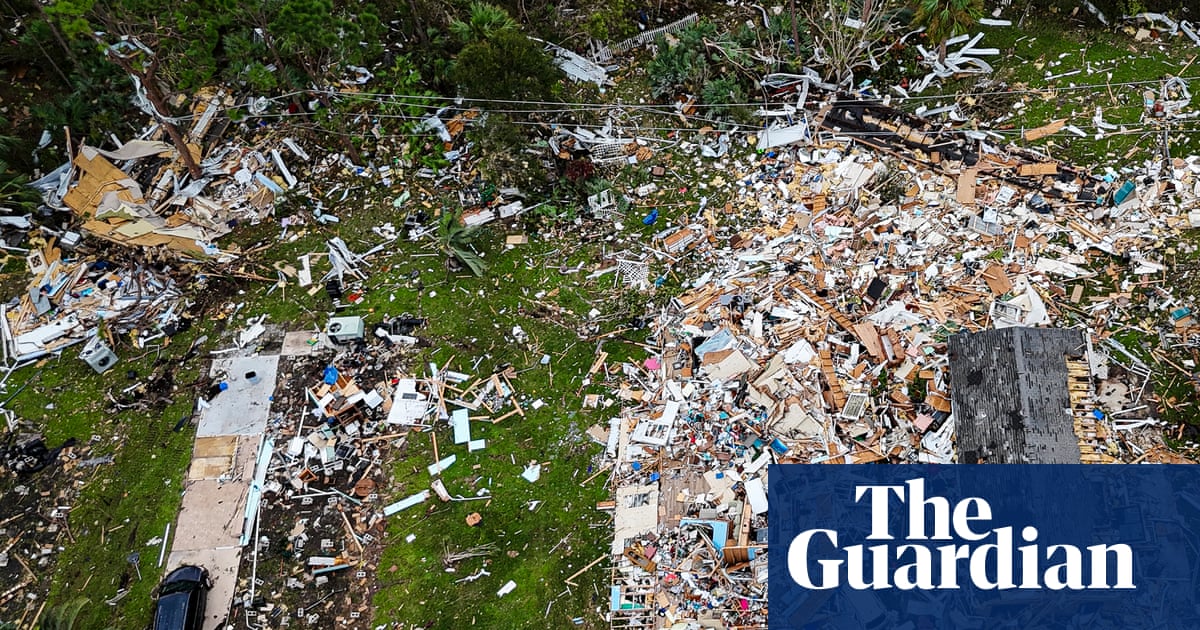
Hurricane Melissa’s destruction in Jamaica highlights a growing global reality: climate risks are accelerating faster than insurance adoption. With more than 90% of disaster losses in developing regions going uninsured and a worldwide protection gap exceeding $1.8 trillion annually, experts warn that traditional insurance systems can no longer keep up. New models—like parametric payouts, community‑based aggregation and bundled climate tools—are emerging, but governments and corporations must step in to prevent financial shocks from destabilizing entire economies.
Gravis Robotics, a Zurich-based startup, just raised $23 million to bring autonomous tech to construction sites facing a massive operator shortage. As demand surges for renewable energy projects, data centers, and new housing, Gravis retrofits traditional heavy machinery with AI-driven systems that can work autonomously or via remote guidance. With trials already underway across seven countries, the company is pushing a future where humans and robots collaborate — speeding up development timelines and reshaping industries from construction to real estate.
Zillow has quietly removed its climate‑risk scores after months of pressure from agents, homeowners, and listing services who said the warnings were scaring off buyers. The move has sparked a national debate: Is this a win for real estate sales or a setback for consumer transparency? Critics warn that without clear climate‑risk data, families could be “flying blind” into costly surprises like insurance spikes and flood damage. As climate impacts intensify and disclosure expectations rise, real estate professionals must stay informed—because whether Zillow shows the data or not, the risks aren’t going anywhere.
Florida’s property insurance crisis is becoming the defining issue heading into the 2026 election season. Republicans argue that recent reforms are finally stabilizing the market, pointing to reduced litigation and cooling reinsurance costs. Democrats counter that families are still facing unbearable premiums, with condo prices dropping over 8% and Floridians paying some of the highest insurance rates in the nation. As lawmakers prepare to return to Tallahassee, the future of insurance reform is set to become the central political fight—one that will directly impact homeowners, investors, and real estate professionals across the state.
Connectivity has become one of the most powerful differentiators in today’s real estate market. As smart buildings, automation, and sustainability demands accelerate, fiber networks are replacing outdated copper systems and reshaping property value. With lower energy use, unified smart‑building capabilities, reduced long‑term costs, and stronger tenant satisfaction, digital infrastructure is now central to investment strategy. Real estate professionals who understand this shift gain a competitive edge as the industry moves toward cleaner, smarter, more connected buildings.