Top Commercial Real Estate Issues to Watch in 2026: What Professionals Need to Know
The commercial real estate landscape is heading into 2026 with a blend of opportunity, volatility, and innovation. At NAR NXT: The Realtor® Experience in Houston, The Counselors of Real Estate unveiled their latest “Top 10 Issues” report—an essential roadmap for professionals across the nation.
Whether you’re in Florida’s bustling real estate sector or growing your expertise nationwide, these trends are reshaping investment strategies, market behavior, and professional expectations. And as always, when you’re ready to elevate your career or expand your licensing, Cameron Academy stands ready to help you stay ahead.
1. Fiscal and Monetary Policy
The U.S. economy continues to hold strong despite global tensions and rapid AI-driven shifts. Still, some real estate segments—particularly for‑sale housing and lower‑tier office spaces—are lagging behind.
Takeaway: Why This Matters for 2026
Real estate remains an economic anchor—but one policy change could shift everything. Staying educated, agile, and informed is no longer optional.
2. Portfolio Risk at the Forefront
Risk management is becoming smarter, more predictive, and more tech-driven—yet traditional inspections still carry tremendous weight.
Why This Shift Is Important
Risk and resiliency expertise is emerging as its own specialty. Ongoing education is now a competitive advantage.
3. Back to Real Estate Fundamentals
With cap rates no longer doing all the heavy lifting, professionals are returning to the fundamentals: tenant satisfaction, operational excellence, and strong demand drivers.
4. Capital Sources and Investment Flows
Transaction volume continues to shrink, and global investors are treading cautiously. Professionals must communicate long‑term value with more precision and confidence.
5. Technology’s Rapid Transformation
AI is reshaping underwriting, cybersecurity, and property management—but disconnected building systems are slowing full adoption across the nation.
How Professionals Can Stay Ahead
The winners in 2026 will be the professionals who understand data inputs, AI applications, and evolving tech frameworks.
6. The Future of Real Estate Decision-Making
Bayesian modeling, predictive analytics, and long‑horizon forecasting are transforming how decisions are made. Location alone is no longer enough.
7. Global Uncertainty and “Chessboard” Economics
Tariffs, interest rates, and geopolitical instability are complicating even straightforward development and investment strategies.
8. Housing Attainability Challenges
Demand continues to outpace supply nationwide. With states like Rhode Island tens of thousands of units behind, public–private collaboration will be essential.
9. Pricing Risk and the Coming Debt Wave
Almost a trillion dollars in commercial debt matures in 2025, with heavy waves continuing into 2027. Refinancing remains a steep challenge.
10. The Slowing Flow of People
Household formation, migration, and population growth are decelerating. Developers may need to pivot to higher‑density zones and younger‑talent markets.
What This Means for Professionals
The age of “build it and they will come” is over. Adaptability, continuous education, and strategic foresight will define tomorrow’s leaders.
For the full original report and deeper insights, visit Florida Realtors:
Read the full article.
And if you’re ready to upgrade your license, expand your expertise, or build a more resilient career path, Cameron Academy is here to guide you every step of the way.
More Articles
Getting licensed or staying ahead in your career can be a journey—but it doesn’t have to be overwhelming. Grab your favorite coffee or tea, take a moment to relax, and browse through our articles. Whether you’re just starting out or renewing your expertise, we’ve got tips, insights, and advice to keep you moving forward. Here’s to your success—one sip and one step at a time!
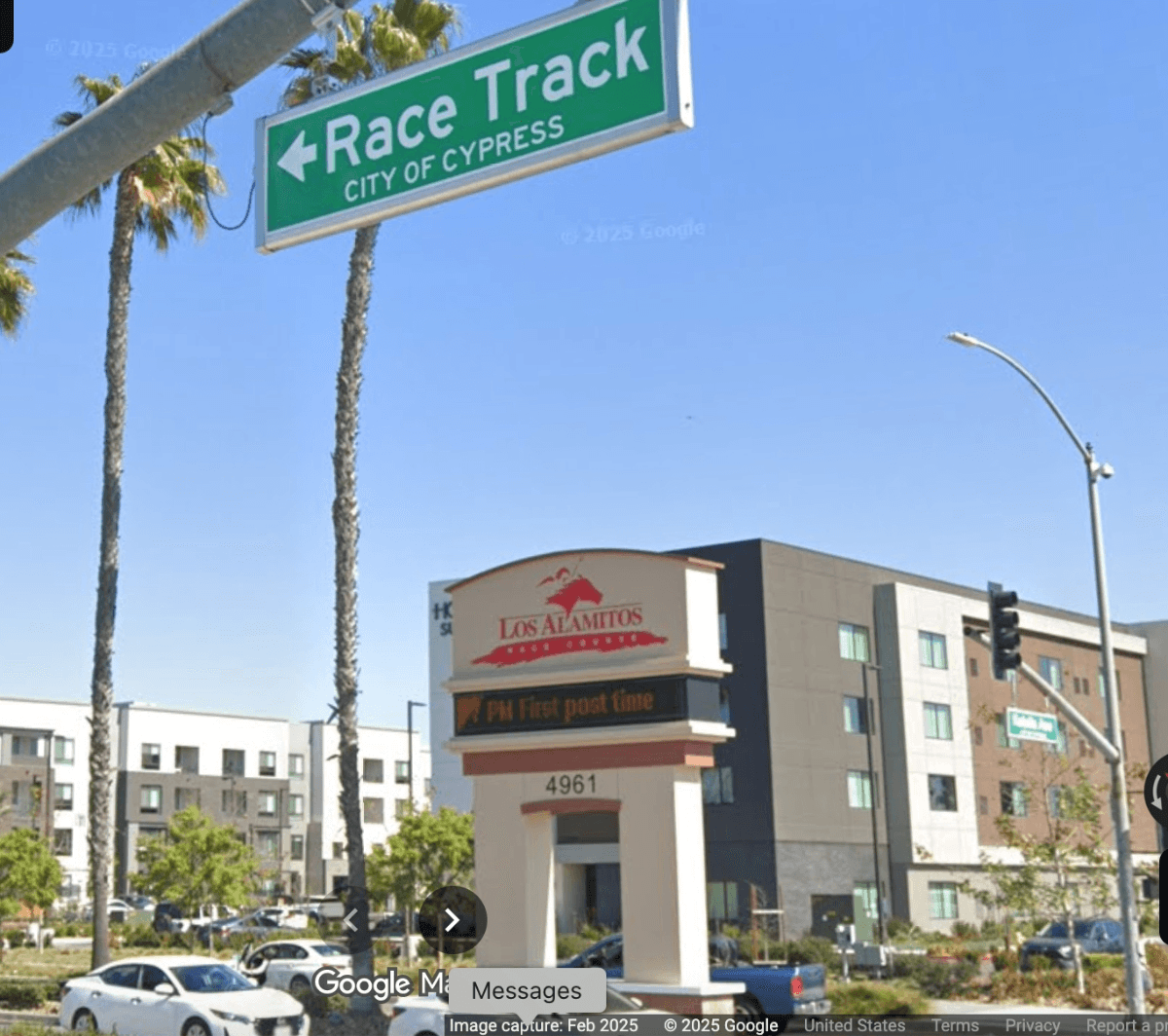
Los Alamitos Race Course is facing its most serious crisis in years after 18 horses died in 2025, prompting regulators to warn the track that its racing license is at risk without immediate safety reforms. Following three catastrophic injuries in a single day, the California Horse Racing Board has ordered urgent changes—including more veterinarians, stricter medication rules, and enhanced on‑track medical support—as pressure mounts for stronger oversight in a sport already under national scrutiny.
Canadian investors have poured more than US$5.8 billion into U.S. commercial real estate this year, making the U.S. their top destination even amid a lingering tariff dispute. Tight inventory in Canada and greater deal availability south of the border are driving the trend, with data centers and industrial properties emerging as the hottest targets for 2025.
Florida’s insurance commissioner says even industry pros struggle to read today’s 150‑page homeowners policies—leaving residents shocked when hurricane claims are denied. With rising premiums, high replacement costs, and widespread confusion over exclusions like flood and water damage, the state is pushing for simpler, clearer policy language so homeowners know what they’re actually covered for before the next storm hits.
Following the 2025 elections, major metros like New York, Chicago, Miami, Los Angeles, and Boston are implementing policy shifts that could reshape property values, rental income, development timelines, and investment strategy heading into 2026. From New York’s push toward aggressive rent reform to Chicago’s sustainability mandates and Miami’s uncertain mayoral runoff, these changes signal a new era where local politics increasingly dictate market performance. This breakdown highlights the biggest post‑election real estate pivots and what they mean for investors, agents, and finance professionals preparing for a rapidly evolving landscape.
Florida’s Insurance Commissioner is sounding the alarm after thousands of homeowners discovered—only after hurricanes Helene and Milton—that the coverage they thought they had didn’t exist. With nearly 150,000 unpaid claims tied to misunderstood flood exclusions, water‑damage caps, and buried policy clauses, state leaders are pushing to simplify the dense, confusing documents most Floridians never read. As insurance costs remain one of the state’s top concerns, this growing complexity is creating a massive opportunity for real estate, mortgage, and insurance professionals to guide consumers before disaster strikes.
Florida’s insurance market is reliving an old crisis under a new name. Despite reforms meant to stabilize the system, homeowners are being forced out of Citizens and into pricier policies from small insurers with shaky financial histories. Companies tied to past insolvencies are returning with fresh branding, while highly rated carriers continue to deny a majority of claims. With political influence muddying regulation and climate risks rising, experts warn that only a full structural overhaul—not cosmetic reforms—can restore confidence for homeowners, agents, and the entire real estate market.