Top Commercial Real Estate Issues to Watch in 2026: What Professionals Need to Know
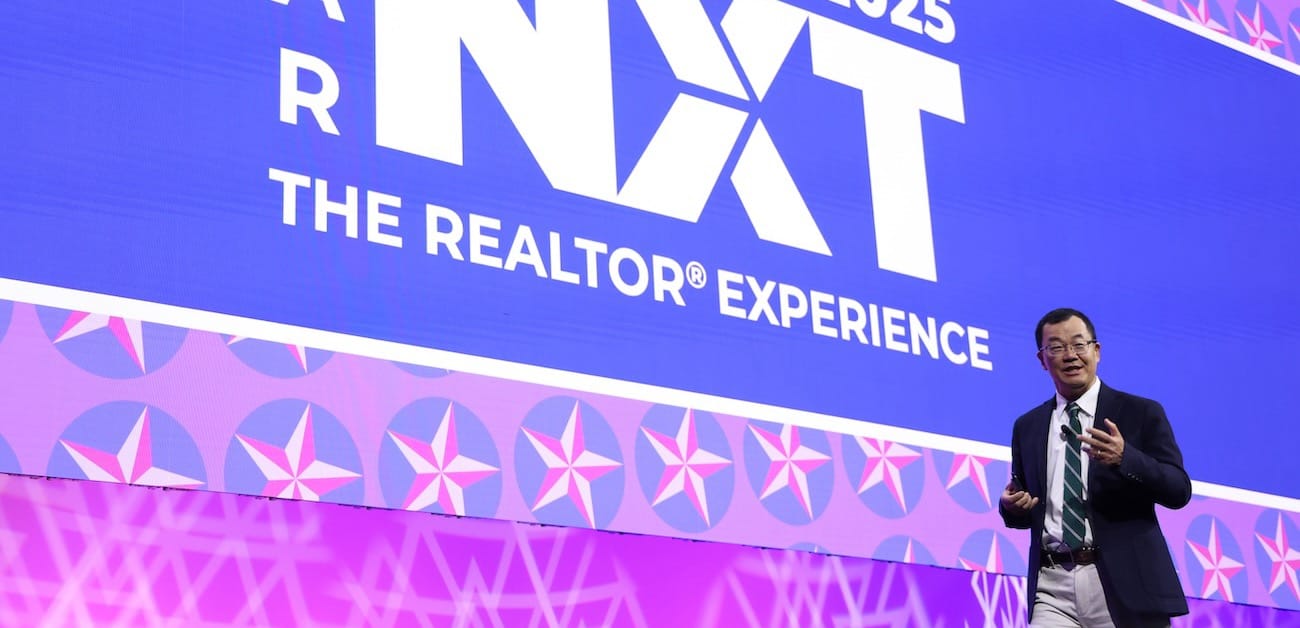
The commercial real estate landscape is heading into 2026 with a blend of opportunity, volatility, and innovation. At NAR NXT: The Realtor® Experience in Houston, The Counselors of Real Estate unveiled their latest “Top 10 Issues” report—an essential roadmap for professionals across the nation.
Whether you’re in Florida’s bustling real estate sector or growing your expertise nationwide, these trends are reshaping investment strategies, market behavior, and professional expectations. And as always, when you’re ready to elevate your career or expand your licensing, Cameron Academy stands ready to help you stay ahead.
1. Fiscal and Monetary Policy
The U.S. economy continues to hold strong despite global tensions and rapid AI-driven shifts. Still, some real estate segments—particularly for‑sale housing and lower‑tier office spaces—are lagging behind.
Takeaway: Why This Matters for 2026
Real estate remains an economic anchor—but one policy change could shift everything. Staying educated, agile, and informed is no longer optional.
2. Portfolio Risk at the Forefront
Risk management is becoming smarter, more predictive, and more tech-driven—yet traditional inspections still carry tremendous weight.
Why This Shift Is Important
Risk and resiliency expertise is emerging as its own specialty. Ongoing education is now a competitive advantage.
3. Back to Real Estate Fundamentals
With cap rates no longer doing all the heavy lifting, professionals are returning to the fundamentals: tenant satisfaction, operational excellence, and strong demand drivers.
4. Capital Sources and Investment Flows
Transaction volume continues to shrink, and global investors are treading cautiously. Professionals must communicate long‑term value with more precision and confidence.
5. Technology’s Rapid Transformation
AI is reshaping underwriting, cybersecurity, and property management—but disconnected building systems are slowing full adoption across the nation.
How Professionals Can Stay Ahead
The winners in 2026 will be the professionals who understand data inputs, AI applications, and evolving tech frameworks.
6. The Future of Real Estate Decision-Making
Bayesian modeling, predictive analytics, and long‑horizon forecasting are transforming how decisions are made. Location alone is no longer enough.
7. Global Uncertainty and “Chessboard” Economics
Tariffs, interest rates, and geopolitical instability are complicating even straightforward development and investment strategies.
8. Housing Attainability Challenges
Demand continues to outpace supply nationwide. With states like Rhode Island tens of thousands of units behind, public–private collaboration will be essential.
9. Pricing Risk and the Coming Debt Wave
Almost a trillion dollars in commercial debt matures in 2025, with heavy waves continuing into 2027. Refinancing remains a steep challenge.
10. The Slowing Flow of People
Household formation, migration, and population growth are decelerating. Developers may need to pivot to higher‑density zones and younger‑talent markets.
What This Means for Professionals
The age of “build it and they will come” is over. Adaptability, continuous education, and strategic foresight will define tomorrow’s leaders.
For the full original report and deeper insights, visit Florida Realtors:
Read the full article.
And if you’re ready to upgrade your license, expand your expertise, or build a more resilient career path, Cameron Academy is here to guide you every step of the way.
More Articles
Getting licensed or staying ahead in your career can be a journey—but it doesn’t have to be overwhelming. Grab your favorite coffee or tea, take a moment to relax, and browse through our articles. Whether you’re just starting out or renewing your expertise, we’ve got tips, insights, and advice to keep you moving forward. Here’s to your success—one sip and one step at a time!
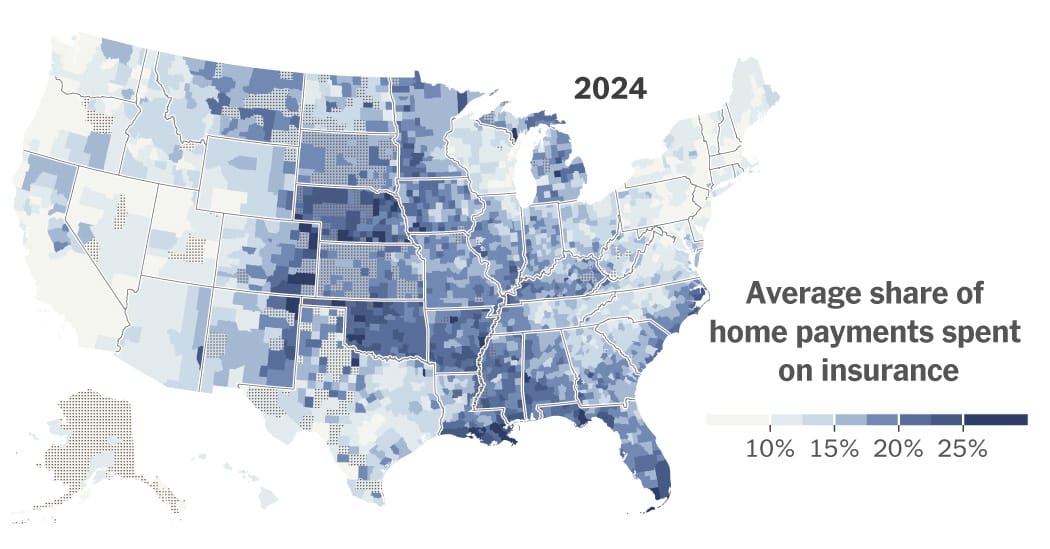
A surge in home insurance premiums is reshaping housing markets across the country, hitting disaster‑prone regions the hardest. From Louisiana to Colorado and California, deals are collapsing, buyers are backing out, and home values are dropping as insurance becomes a central affordability hurdle. New data shows climate‑driven risk repricing and soaring reinsurance costs are stripping tens of thousands of dollars from property values, forcing some homeowners to sell at a loss—or go uninsured altogether.
After years of sluggish activity, the National Association of REALTORS predicts 2026 could mark the long‑awaited rebound for the housing market. With a projected 14% jump in home sales, steadier rates near 6%, and rising buyer activity, NAR economists say momentum is already building. Early signs—like a 31% surge in mortgage applications, continued job growth, and stabilizing prices—suggest a stronger, more confident market ahead, creating fresh opportunities for both seasoned professionals and aspiring agents preparing to enter the field.
A surge of global capital is reshaping real estate heading into 2026, with investors shifting toward hands‑on strategies, cross‑border diversification, and high‑growth asset classes like data centers. Colliers’ 2026 Global Investor Outlook highlights rising confidence, improving liquidity, and a major pivot toward direct investing and value‑add opportunities. From office market rebounds to Asia Pacific’s rapid fundraising growth, the report outlines trends every real estate professional should understand as the industry enters a more dynamic, opportunity‑rich cycle.
Culver City just became the first place in California to legalize six‑story apartment buildings with only one staircase — a simple change that could reshape mid‑rise housing statewide. By freeing up as much as 7% more usable floor space, architects say single‑stair designs allow bigger units, more windows, and the kind of elegant layouts common in New York and Europe. If the city’s six‑year experiment succeeds, it may spark a broader rethinking of U.S. building codes and open the door to more flexible, affordable multifamily development across California.
Stratford homeowners are receiving their 2025 Notices of Assessment Change, marking the town’s first property revaluation since 2019. Officials emphasize that rising assessments do not equal higher tax bills, as a new mill rate won’t be set until spring 2026. Residents can challenge or review their updated valuations through informal hearings hosted by Vision Government Solutions, with appointments available for one week after receiving a notice.
New reporting reveals Florida homeowners now face an average insurance premium of $5,838 per year — nearly triple the national average. With skyrocketing rates, denied claims, and mounting non-renewals, residents are being pushed to tough financial decisions while lawmakers scramble to implement reforms. From retirees skipping coverage to families battling insurers for fair payouts, Florida’s insurance crisis is reshaping both the housing market and the daily lives of homeowners statewide.