Top Commercial Real Estate Issues to Watch in 2026

Florida realtors logo

Economic uncertainty, rapid technological innovation and shifting population patterns are setting the stage for a pivotal year in commercial real estate. The latest research from the Counselors of Real Estate, unveiled at NAR NXT by global chair John Hentschel, reveals ten major issues poised to shape strategy, investment and opportunity in 2026.

This analysis from Florida Realtors and NAR delivers clarity and caution for the industry. If you work in real estate, mortgage, finance or related fields, now is an ideal moment to sharpen your expertise. And if you’re ready to elevate your credentials, Cameron Academy continues supporting professionals across all 50 states with forward‑thinking training and licensing education.

Source Spotlight: Explore the full original report at Florida Realtors: View the full article here.

1. Fiscal & Monetary Policy

The U.S. economy remains surprisingly resilient despite high debt levels and global uncertainty. Employment, inflation and consumer activity show strength, but commercial property—especially for‑sale housing and B/C class offices—faces uneven performance.

Takeaway: Real estate is likely to remain a stabilizing force unless major policy changes shift the landscape.

2. Portfolio Risk

Risk evaluation now stretches far beyond building condition. Investors weigh financing structures, climate exposure, insurance volatility, regulation and even indoor environmental quality. AI, drones and climate modeling are sharpening due diligence.

Takeaway: Risk and resiliency are emerging as core skill sets in commercial real estate.

3. The Changing Nature of Real Estate

Cap rate compression no longer guarantees profit. Operators must return to fundamentals: efficient operations, prime location and sustained tenant satisfaction.

Takeaway: Operational excellence is now the heart of asset performance.

4. Capital Sources & Flows

Transaction slowdowns challenge fundraising efforts, and foreign investors remain cautious. Capital is flowing toward infrastructure—especially energy and digital—intensifying competition for CRE investment.

Takeaway: Investors will demand deeper justification for long‑term value and liquidity.

5. Technology Transformation & AI

AI is reshaping underwriting, improving building performance and driving data‑center growth. Yet fragmented systems make unified data access difficult.

Takeaway: Adaptation is mandatory—those resisting innovation will fall behind.

6. The Future of Real Estate: The Bayesian Shift

AI enables constantly updating, data‑rich decision-making—moving beyond static formulas into dynamic strategy.

Takeaway: Smart, iterative thinking will define the next era of real estate leadership.

7. Global Chess: Confidence & Uncertainty

Fluctuating rates, tariffs and geopolitics have increased hesitation. Even promising opportunities now require slower, more strategic analysis.

Takeaway: Expertise and education are becoming non‑negotiable assets.

8. Housing Attainability

Shortages and rising costs strain nearly every market. Many states need tens of thousands of new units—yet development pace lags behind demand.

Takeaway: True progress demands cooperation between public and private sectors.

9. Pricing Risk

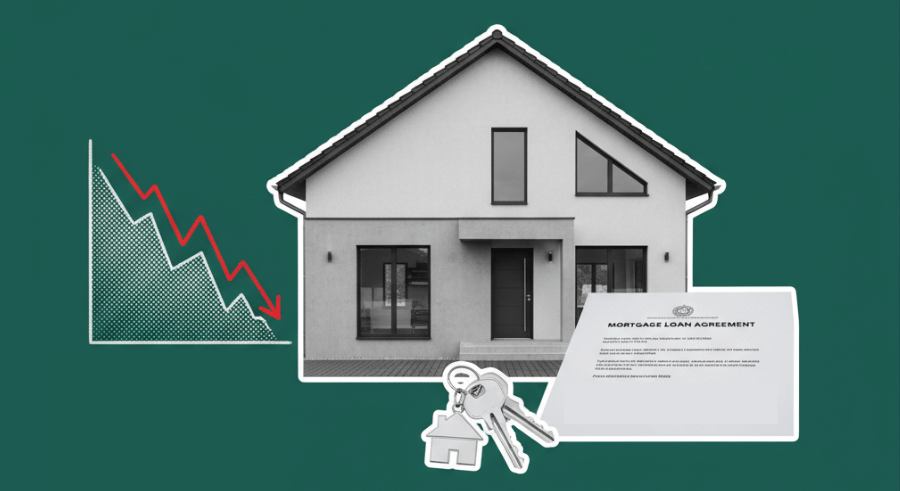
With nearly $1 trillion in loans maturing between 2025–2027, pressure builds on both private and bank debt markets. Distressed assets remain slower to appear than expected.

Takeaway: The market may stabilize in 2028, when pricing gaps shrink and buyers re‑enter.

10. Flow of People

Population growth is cooling, household formation is slowing and immigration remains below normal levels. Developers can no longer rely on automatic demand.

Takeaway: Markets attracting younger workers will offer the strongest long‑term stability.

Professional Insight: For real estate agents, brokers and investors, these trends highlight why ongoing education matters more than ever. Cameron Academy provides licensing and advanced training across real estate, mortgage, insurance, finance and more—empowering professionals to stay ahead of the curve.

© 2025 National Association of Realtors®

More Articles

Getting licensed or staying ahead in your career can be a journey—but it doesn’t have to be overwhelming. Grab your favorite coffee or tea, take a moment to relax, and browse through our articles. Whether you’re just starting out or renewing your expertise, we’ve got tips, insights, and advice to keep you moving forward. Here’s to your success—one sip and one step at a time!

The Tokenization Tsunami: Why Digital Assets Are Reshaping Wall Street, Washington, and Your Professional Future

Tokenization has surged from crypto niche to global financial disruptor as institutions like Robinhood, BlackRock, and Coinbase race to digitize real-world assets. With pro‑crypto political momentum, shifting regulations, and private companies resisting newfound transparency, this emerging wave is transforming how investments are bought, sold, and accessed. For professionals in real estate, finance, lending, and insurance, this shift signals massive opportunity—and equally massive responsibility—as the next era of asset ownership takes shape.

Florida’s 2026 Insurance Shake‑Up: Citizens Approves Major Statewide Rate Cuts

Florida homeowners are finally getting relief as Citizens Property Insurance announces an average 8.7% statewide rate reduction for 2026, with South Florida seeing cuts as high as 14%. Driven by recent tort reforms and a stabilizing market, these decreases signal a major turnaround for an industry once on the brink of collapse — and a potential boost for real estate activity across the state.

The 2026 Housing Market Finally Returns to “Normal” as Inventory Stabilizes and Demand Takes the Lead

After years of roller‑coaster chaos, the 2026 U.S. housing market is easing into something professionals haven’t seen in a long time: balance. Inventory growth has slowed to just 10% year over year—down sharply from 2025’s surge—signaling the end of the pandemic‑era scarcity and the rise of a market driven by real‑time demand and interest rates. With seasonal patterns returning, negotiations replacing bidding wars and rates drifting toward 6%, agents, lenders and investors are finally navigating conditions that look… normal.

Gen Z Is Skipping Wall Street Advice and Turning to #RichTok for Financial Independence

More than half of Gen Z investors say they entered the stock market because of social media—not textbooks, not advisors. Viral creators, AI tools, and crypto trends are reshaping how young adults learn about money, invest early, and chase financial freedom. This Fortune‑featured shift highlights a generation determined to build wealth fast, trust digital voices over traditional institutions, and redefine financial education for the future.

The U.S. Housing Market Is Finally Normalizing in 2026 — What Today’s Professionals Need to Know

After years of extremes, the U.S. housing market is shifting into a more balanced, predictable phase. Inventory growth has cooled from last year’s surge, seasonality is returning, and pricing is becoming increasingly rate‑sensitive. With mortgage rates hovering near 6% and policy changes reshaping investor participation, 2026 is emerging as a negotiation‑driven market where skilled agents, lenders, builders, and investors have a renewed advantage. This new landscape rewards strategy, education, and real‑time demand awareness—making it an ideal moment for professionals to refine their approach and capitalize on the market’s normalization.

Mortgage Rates Could Drop Faster Than Expected in 2026, Thanks to New MBS Policy

A sudden policy shift at the start of 2026 is already pushing mortgage rates lower, dipping them under 6% for the first time in months. New projections suggest the government-sponsored enterprises’ $200 billion in mortgage‑backed securities purchases could accelerate rate declines throughout the year, boosting affordability, home sales, and overall market activity for buyers, sellers, and real estate professionals alike.