In the ever-evolving landscape of real estate education, aspiring agents in Virginia are presented with a plethora of choices. As we look towards 2025, the demand for flexible, affordable, and comprehensive online courses has never been greater. HousingWire, a trusted source in the real estate industry, recently published an insightful article that explores the top six online real estate schools in Virginia, offering a detailed analysis of what each institution has to offer.
For those embarking on a career in real estate, the choice of educational institution can be pivotal. Among the standout options is The CE Shop, lauded for its self-paced learning environment and interactive course content. Starting at $239, it provides a robust platform that is both engaging and accessible, ensuring students can learn at their own pace.
Another commendable mention is Colibri Real Estate, which offers comprehensive packages and exam prep tools. Known for its intuitive platform and supportive environment, Colibri ensures that students are well-prepared for their licensing exams. Prices start at $239, making it a competitive choice for many.
For those seeking the prestige of a well-known brand, Weichert Real Estate School offers brokerage-based training with brand recognition. Their courses, starting from $275, provide a blend of theoretical knowledge and practical insights, making it an ideal choice for those looking to jumpstart their real estate careers.
Kaplan, another prominent name in the industry, is recognized for its live online classes and instructor support. With prices starting at $210, Kaplan offers a structured learning experience that combines interactive content with state-specific information crucial for passing licensing exams.
For budget-conscious students, RealEstateU presents a straightforward and affordable option. Starting at just $149, it provides the essentials needed to meet Virginia’s prelicensing requirements, albeit with fewer frills than its competitors.
Lastly, AceableAgent caters to the mobile-savvy learner with its app-based platform. Prices begin at $149, offering interactive content and the flexibility to study on the go, making it a fitting choice for those with busy schedules.
HousingWire’s article also delves into the methodology behind selecting these top schools, emphasizing factors such as pricing, course materials, and user experience. For more in-depth reviews, readers are encouraged to explore links such as the AceableAgent Review and the Real Estate Education page.
In conclusion, the right educational choice can set the foundation for a successful real estate career. As Virginia’s real estate market continues to thrive, these online schools offer aspiring agents the tools they need to succeed, all while accommodating diverse learning styles and budgets.
More Articles
Getting licensed or staying ahead in your career can be a journey—but it doesn’t have to be overwhelming. Grab your favorite coffee or tea, take a moment to relax, and browse through our articles. Whether you’re just starting out or renewing your expertise, we’ve got tips, insights, and advice to keep you moving forward. Here’s to your success—one sip and one step at a time!
After nearly 20 years under uniquely harsh lending rules, Florida may finally see its condo market freed from a 25% down payment requirement imposed only on the state. Industry leaders say Fannie Mae could announce changes as early as December—potentially restoring the standard 10% down payment used everywhere else in the country. Experts believe the shift would boost maintenance funding, improve affordability, and stabilize Florida’s condo market after years of strain.
Phoenix’s commercial real estate market is shaking off years of uncertainty as broker optimism hits its highest level since interest rates began climbing. The latest ASU Commercial Broker Sentiment Index soared to 62.7, signaling strong confidence across multifamily, retail, office, and capital markets. With population growth accelerating, interest rates easing, and AI boosting industry efficiency, Phoenix is positioning itself for a powerful run into 2026—offering meaningful opportunities for both new and seasoned real estate professionals.
Michigan’s House Rules Committee heard testimony on a proposal that would let licensed professionals complete all required continuing education online. Supporters say the change would modernize outdated rules, reduce costs, and improve access for rural and busy workers. The state licensing department backs the measure, and lawmakers noted it could reshape CE options across industries from real estate to insurance and healthcare.
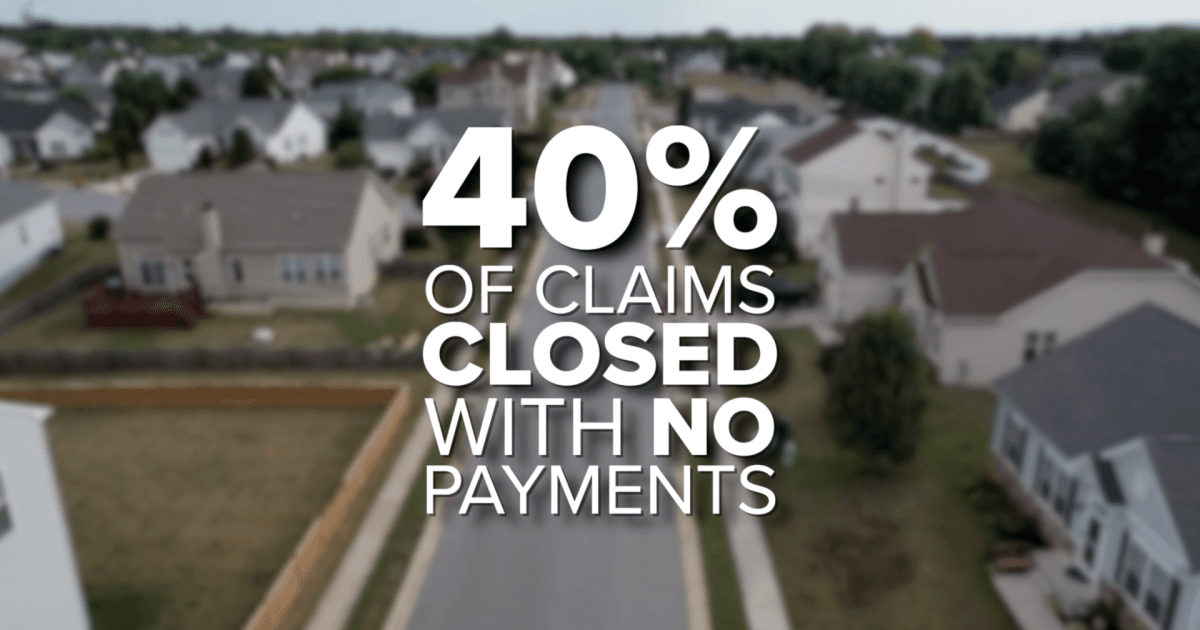
Florida homeowners are now paying an average of $5,838 per year for insurance — nearly $3,000 above the national average — making it one of the most expensive states in the country. As premiums continue to triple for some residents, many are being forced into tough decisions, from delaying home improvements to dropping coverage altogether. With more than 40% of claims closed with no payment and lawmakers pushing for aggressive reforms, the crisis is reshaping Florida’s housing market and placing growing pressure on real estate, mortgage, and insurance professionals statewide.
Griffin Funding has elevated John Jones to Senior Vice President of Growth and EOS Integrator, marking a major step in the company’s long-term expansion strategy. Already a key operational leader since April 2025, Jones will now drive performance optimization, market expansion, and leadership development as the lender pursues an ambitious goal of reaching $3 billion in annual non-QM loan volume by 2030. His promotion underscores Griffin Funding’s commitment to scaling strategically while strengthening its position in the fast-growing non-QM space.
Despite recent Federal Reserve rate cuts, commercial real estate remains frozen. Long‑term Treasury yields continue to climb, keeping borrowing costs high and preventing the relief investors expected. With nearly $1 trillion in commercial loans coming due, refinancing at today’s elevated rates is squeezing owners, slowing transactions, and creating a widening gap between buyers and sellers. For patient, well‑capitalized investors, this period of recalibration may offer some of the strongest opportunities in years.