In the ever-evolving landscape of real estate education, aspiring agents in Virginia are presented with a plethora of choices. As we look towards 2025, the demand for flexible, affordable, and comprehensive online courses has never been greater. HousingWire, a trusted source in the real estate industry, recently published an insightful article that explores the top six online real estate schools in Virginia, offering a detailed analysis of what each institution has to offer.
For those embarking on a career in real estate, the choice of educational institution can be pivotal. Among the standout options is The CE Shop, lauded for its self-paced learning environment and interactive course content. Starting at $239, it provides a robust platform that is both engaging and accessible, ensuring students can learn at their own pace.
Another commendable mention is Colibri Real Estate, which offers comprehensive packages and exam prep tools. Known for its intuitive platform and supportive environment, Colibri ensures that students are well-prepared for their licensing exams. Prices start at $239, making it a competitive choice for many.
For those seeking the prestige of a well-known brand, Weichert Real Estate School offers brokerage-based training with brand recognition. Their courses, starting from $275, provide a blend of theoretical knowledge and practical insights, making it an ideal choice for those looking to jumpstart their real estate careers.
Kaplan, another prominent name in the industry, is recognized for its live online classes and instructor support. With prices starting at $210, Kaplan offers a structured learning experience that combines interactive content with state-specific information crucial for passing licensing exams.
For budget-conscious students, RealEstateU presents a straightforward and affordable option. Starting at just $149, it provides the essentials needed to meet Virginia’s prelicensing requirements, albeit with fewer frills than its competitors.
Lastly, AceableAgent caters to the mobile-savvy learner with its app-based platform. Prices begin at $149, offering interactive content and the flexibility to study on the go, making it a fitting choice for those with busy schedules.
HousingWire’s article also delves into the methodology behind selecting these top schools, emphasizing factors such as pricing, course materials, and user experience. For more in-depth reviews, readers are encouraged to explore links such as the AceableAgent Review and the Real Estate Education page.
In conclusion, the right educational choice can set the foundation for a successful real estate career. As Virginia’s real estate market continues to thrive, these online schools offer aspiring agents the tools they need to succeed, all while accommodating diverse learning styles and budgets.
More Articles
Getting licensed or staying ahead in your career can be a journey—but it doesn’t have to be overwhelming. Grab your favorite coffee or tea, take a moment to relax, and browse through our articles. Whether you’re just starting out or renewing your expertise, we’ve got tips, insights, and advice to keep you moving forward. Here’s to your success—one sip and one step at a time!
A federal judge has denied class‑certification in the high‑stakes Batton commission lawsuit, delivering a temporary win for NAR and major brokerages while leaving the door open for plaintiffs to try again. With as much as $3.6 billion in potential damages on the line and nearly 80% of the proposed class now disqualified due to conflicts with earlier settlements, the case stands at a pivotal moment. Real estate professionals nationwide — especially in Florida — should watch closely, as the ruling could shape the future of buyer‑agent compensation.
Florida homeowners are paying nearly double the national average for insurance, with premiums now reaching $5,838 a year and denied claims topping 40 percent. Residents report tripled rates, underpaid claims, and mounting financial strain, pushing lawmakers in Tallahassee to propose caps on rate hikes, tax breaks for storm‑proof upgrades, and tighter oversight of insurers. These developments are reshaping real estate and insurance conversations across the state as professionals brace for major industry shifts.
Berkshire County closed Q3 2025 with strong momentum as sales, dollar volume, and buyer competition all climbed year‑over‑year. Inventory showed slight improvement but remains far below demand, keeping the market tilted toward sellers. Single‑family homes and condos led the surge, while multifamily, land, and commercial sectors showed mixed performance. The region continues to stand out as one of New England’s most resilient real estate markets heading into 2026.
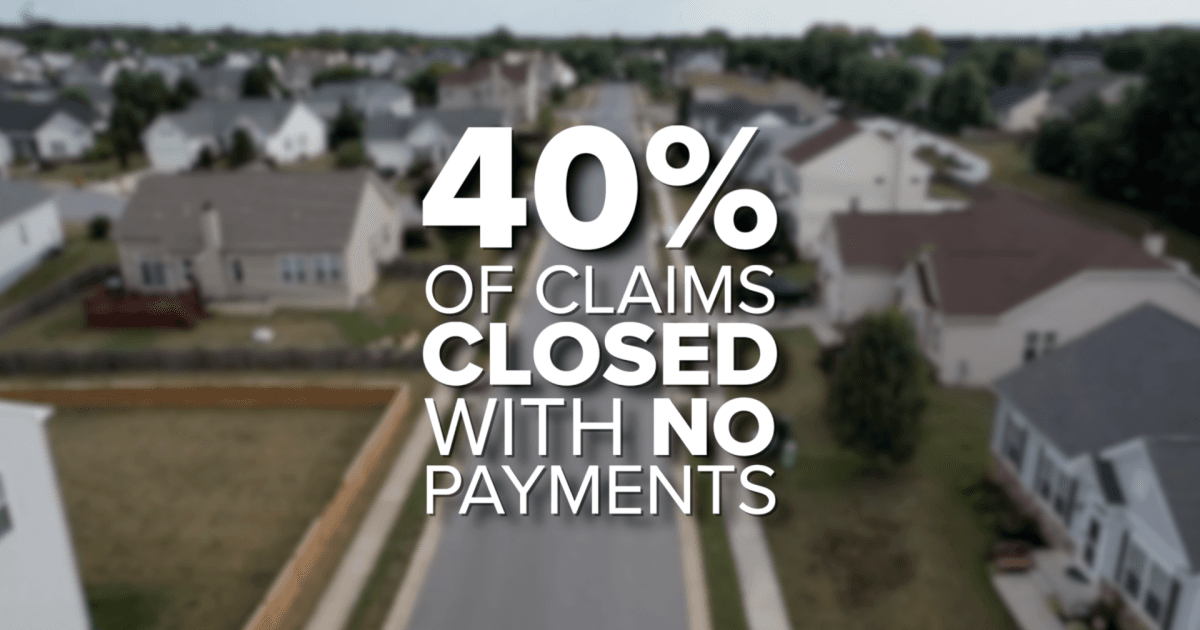
Florida homeowners now face the highest insurance burdens in the nation, with average premiums topping $5,800 per year—roughly $3,000 above the national average. As rates triple for some residents, more Floridians are skipping coverage altogether, while denied claims and slow payouts add to the frustration. With over 40 percent of claims closing with no payment and lawmakers battling over reform in Tallahassee, the crisis is reshaping budgets, homebuying decisions, and the real estate industry statewide.
Global capital is surging back into real estate—and this time, investors want more control. Colliers’ 2026 Global Investor Outlook reveals a major shift toward direct investments, joint ventures, and hands‑on strategies as money moves across North America, Europe, and the booming Asia‑Pacific markets. Data centers are now the top‑funded asset class, offices are staging a comeback, and adaptive reuse is reshaping cities worldwide. For real estate and finance professionals, the message is clear: opportunity is accelerating, and those with the right education and licensing will be at the center of the action.
The Fed’s recent rate cuts should have offered relief to commercial real estate—but long-term borrowing costs haven’t budged. While short‑term rates are falling, stubborn long‑term yields, broken deal math, and a trillion‑dollar refinancing wave are keeping the market frozen. For investors and professionals across Florida and the nation, understanding this disconnect is key to navigating the opportunities and risks emerging in today’s shifting CRE landscape.