In the ever-evolving landscape of real estate education, Washington State stands out with its diverse array of schools catering to aspiring brokers. With the goal of providing a comprehensive guide for potential real estate professionals, HousingWire has meticulously evaluated and ranked the top real estate schools in Washington for 2025.
To embark on a career as a real estate broker in Washington, candidates must complete 90 hours of approved real estate education. This includes a 60-hour Real Estate Fundamentals course and a 30-hour Real Estate Practices course. HousingWire’s article delves into the specifics of each of the top five schools, offering insights into their unique offerings and strengths.
The CE Shop emerges as the top pick, renowned for its user-friendly platform and a host of features such as a 5-day free trial and a “Pass or Don’t Pay” guarantee. The comprehensive course packages, starting from $315, include exclusive Exam Prep materials, ensuring a robust preparation for the state licensing exam.
Colibri Real Estate is celebrated for its goal-tracking and accountability tools, which help students maintain their study schedules. Starting from $341, Colibri offers interactive study tools and instructor engagement, making it a preferred choice for those seeking a structured learning environment.
For those who prefer learning on the go, AceableAgent offers the best mobile and audio courses. With packages starting from $215, AceableAgent’s mobile app and mentorship programs provide flexibility and support, making it an ideal choice for busy learners.
OnlineEd is highlighted for its continuing education bundle, offering significant savings and a price-match guarantee. Starting from $235, OnlineEd provides a comprehensive package that includes first-year renewal courses, making it a cost-effective option for long-term educational needs.
Kaplan Real Estate Education is known for its robust practice tests and exam preparation materials. Starting at $299, Kaplan offers a variety of learning formats, including live online and self-paced courses, catering to different learning preferences.
The methodology for evaluating these schools involved a thorough analysis of course offerings, user reviews, pricing, and pass rates. This rigorous evaluation ensures that prospective students receive an education that is both comprehensive and valuable.
The Washington licensing exam consists of 100 questions covering national real estate topics and 30 questions specific to Washington’s real estate laws. The estimated cost for becoming a licensed agent in Washington ranges from $651.80 to $1,482.80, factoring in various fees and course expenses.
For those interested in further details, the original article on HousingWire provides an in-depth look at each school’s offerings and the criteria used for their evaluation. This guide serves as a valuable resource for aspiring real estate professionals seeking to make informed decisions about their education and career path.

More Articles

Getting licensed or staying ahead in your career can be a journey—but it doesn’t have to be overwhelming. Grab your favorite coffee or tea, take a moment to relax, and browse through our articles. Whether you’re just starting out or renewing your expertise, we’ve got tips, insights, and advice to keep you moving forward. Here’s to your success—one sip and one step at a time!

Long Island Sets New Commercial Real Estate Record with $4.1 Billion in 2025 Deals

Long Island’s commercial real estate market just smashed every previous record, hitting an unprecedented $4.1 billion in 2025 deal volume—up a massive 71.5 percent from the year before. A surge in specialty-use properties like assisted living centers and self-storage facilities fueled the boom, alongside hundreds of new transactions across Nassau and Suffolk counties. With investor confidence rebounding, interest rates easing, and new buyer profiles entering the scene, the region has become one of the hottest real estate markets to watch.

Federal Housing Rollbacks Ignite a State‑by‑State Regulatory Power Shift

Federal cuts to housing oversight in 2026 are creating a nationwide regulatory scramble, with states—especially California—rapidly stepping in to fill the gap. As the CFPB reduces its enforcement role, lawmakers and agencies across the country are crafting their own rules on mortgage compliance, consumer protection, affordability, and even AI‑driven underwriting. For real estate, mortgage, and finance professionals, the message is clear: state regulations are becoming just as influential as federal policy, making ongoing education and compliance awareness more critical than ever.

Inside the $172 Million Battle: How Insurance Lobbying Is Shaping 2025

The insurance industry poured an eye‑opening $172 million into federal lobbying in 2025, making it the fourth‑largest lobbying sector in the country. Medical insurers led the spending, but property and casualty giants weren’t far behind, with APCIA, Nationwide, Liberty Mutual, and Allstate all landing among the top contributors. And this is only federal spending—state‑level influence, where regulations are truly shaped, remains vastly underreported. For professionals in insurance, real estate, and finance, these lobbying efforts play a powerful role in shaping regulations, costs, and the competitive landscape.

Florida’s Home Insurance Shake‑Up: Why a 3.35% Non‑Renewal Rate Left Hundreds of Thousands Without Coverage

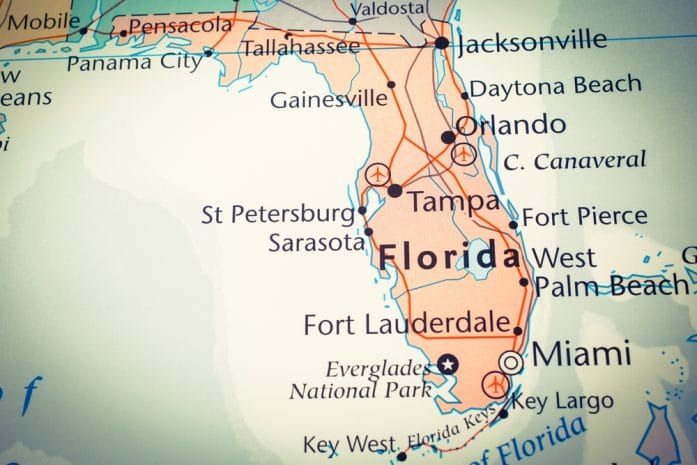
Florida’s home insurance market saw a 3.35% non-renewal rate last year—a small percentage that translated into hundreds of thousands of homeowners suddenly losing coverage. Driven by repeated storm damage, soaring construction costs, heavy litigation, and insurers pulling back from high-risk areas, the state’s insurance landscape is rapidly shifting. Homeowners now face higher premiums, fewer options, and tougher underwriting, while professionals in real estate, mortgage, and insurance must stay informed to guide clients through a tightening market.

Florida’s Tort Reforms Slash Insurance Costs and Spark a Multi‑Billion‑Dollar Economic Boost

Florida’s recent tort reforms are doing far more than reshaping the state’s legal system—they’re driving down property and casualty insurance costs by an average of 14.5% and injecting over $4.2 billion into the state’s economy each year. With nearly 30,000 jobs supported and state and local governments seeing hundreds of millions in new tax revenue, the changes are already transforming Florida’s insurance market. Lawsuits have dropped, insurers are returning, and businesses and homeowners alike are reaping the benefits of a more balanced, competitive, and financially resilient environment.

Commercial Real Estate Rebounds as AI Anxiety Sends Mixed Signals Through the Industry

Major commercial real estate firms are reporting strong revenue and renewed market activity, signaling a rebound in dealmaking and office demand. Yet even with record earnings, CEOs from CBRE, Colliers, and Marcus & Millichap spent much of their earnings calls addressing a growing concern: whether artificial intelligence could threaten traditional brokerage and valuation roles. While leaders insist that complex transactions still rely on human relationships and negotiation, AI‑related market jitters briefly pushed some CRE stocks down before they recovered.