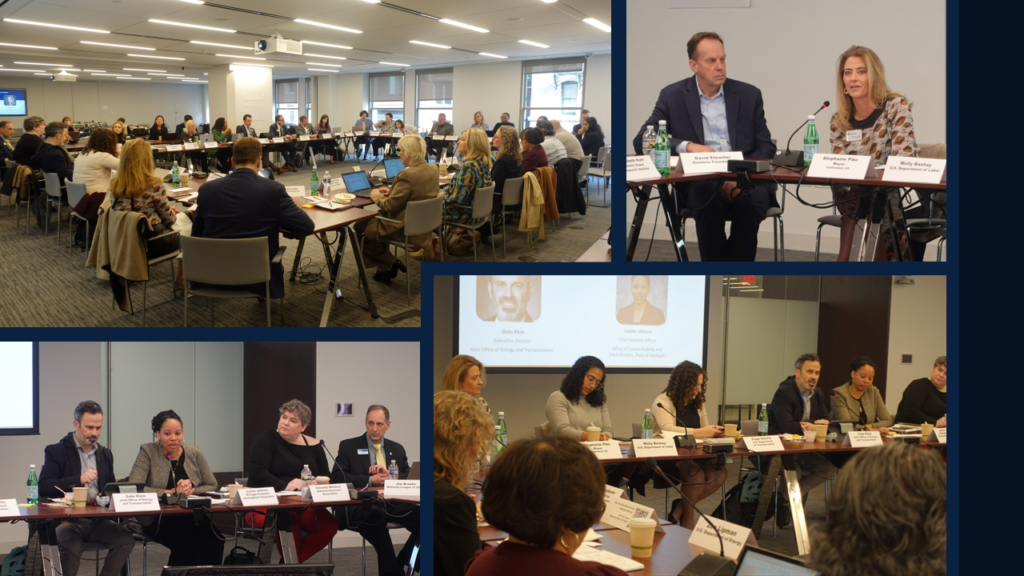
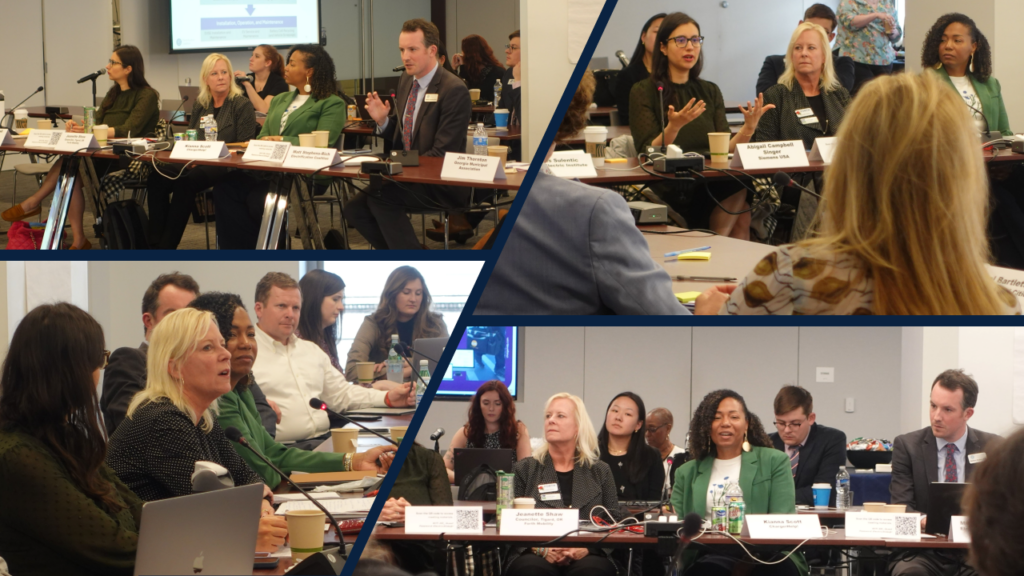
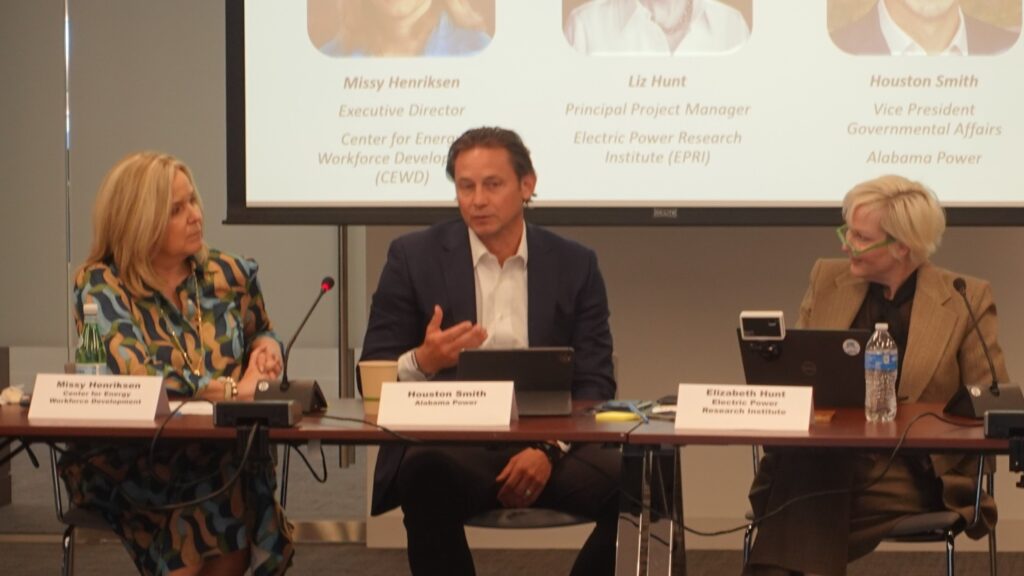
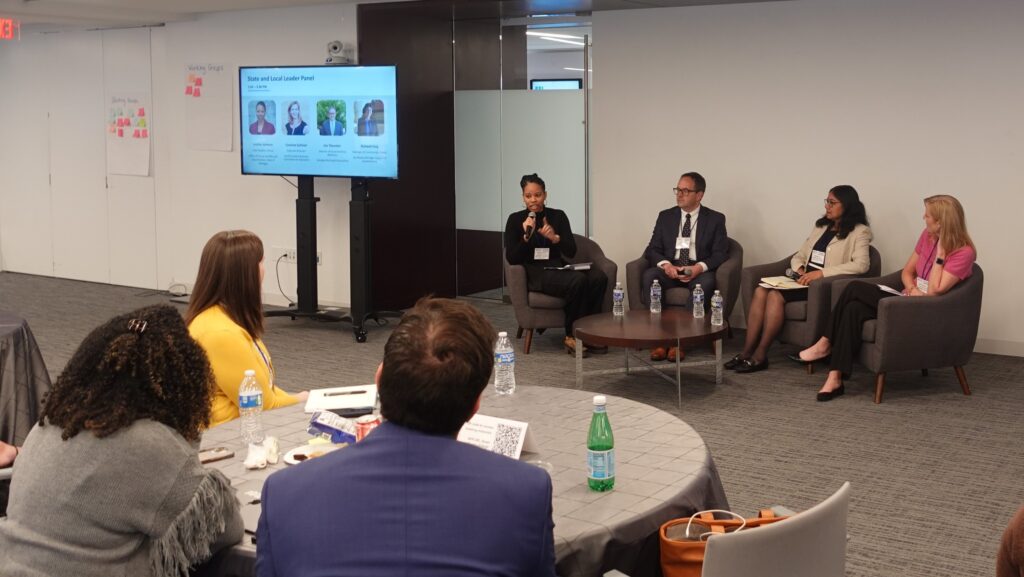
In a landmark event in April 2024, the State and Local Electric Vehicle Workforce Collaborative convened in Washington, D.C. This gathering, orchestrated by the National Governors Association (NGA) and the National League of Cities (NLC), underscored the transformative potential of federal investments in electric vehicle (EV) infrastructure. Through the National Electric Vehicle Infrastructure Program (NEVI), substantial economic opportunities are emerging, particularly in underserved communities.
Collaborative Efforts for Workforce Development
The collaborative aims to develop a skilled workforce to support the burgeoning EV infrastructure, fostering career pathways in marginalized areas. This initiative is a joint effort among government entities, industry experts, and educational leaders. Key figures, including Justine Johnson, Chief Mobility Officer for Michigan, and Stephanie Piko, Mayor of Centennial, Colorado, co-chaired the taskforce. Federal representatives, such as Gabe Klein from the U.S. Department of Energy and Transportation, also participated, highlighting the importance of leveraging NEVI funding for workforce development.
Key Discussions and Strategies
Over the course of two days, the event featured in-depth discussions on building a talent pipeline and creating inclusive workforce strategies. Abigail Campbell Singer from Siemens USA shared insights from the EVeryone Charging Forward initiative, emphasizing the need for inclusive EV workforce development. Other discussions highlighted the role of educational institutions and industry leaders in supporting a diverse EV workforce through technical certificate programs and pre-apprenticeship courses.
Moving Forward: Innovation and Collaboration
The meeting concluded with a call for continued innovation and collaboration. Policymakers, educators, and industry leaders were urged to work together to ensure equitable opportunities arising from EV advancements. Plans to develop resources and working groups were initiated to address data and action gaps identified during the event.
By fostering these discussions, the EV Workforce Collaborative is committed to ensuring that America’s shift to electric vehicles is paralleled by the creation of skilled, equitable employment opportunities, supporting a sustainable and inclusive economic transition for all communities.
More Articles
Getting licensed or staying ahead in your career can be a journey—but it doesn’t have to be overwhelming. Grab your favorite coffee or tea, take a moment to relax, and browse through our articles. Whether you’re just starting out or renewing your expertise, we’ve got tips, insights, and advice to keep you moving forward. Here’s to your success—one sip and one step at a time!
Lofty has launched the industry’s first Agentic AI Operating System, a breakthrough platform that doesn’t just follow commands—it plans, executes, evaluates, and adapts entire workflows on its own. Designed specifically for real estate professionals, the system acts like an AI “orchestra,” coordinating specialized agents for lead qualification, marketing, SEO, transaction management, website creation, and more. With leaders calling this a major leap beyond traditional tools, Lofty AOS signals a new era where agents can focus on relationships and closings while AI handles the heavy lifting.
Florida’s insurance landscape is finally showing signs of stability as private insurers return and Citizens Property Insurance drops below 400,000 policies. Insurance Commissioner Michael Yaworsky says reforms are working, but homeowners may not feel relief yet as inflation and rebuilding costs keep premiums high. With transparency improvements, mitigation credits, and new AI regulations on the horizon, Florida aims to avoid another insurance crisis while keeping the market competitive and consumer‑friendly.
Mortgage rates just hit their lowest point since 2022, closing January at 6.18% and giving buyers and industry professionals a rare moment of relief. But while the Federal Reserve continues to pause rate hikes, economists warn that significant declines are unlikely. Most forecasts show rates hovering near 6% through 2026, with political uncertainty and inflation keeping markets volatile. For now, stability may be the best we get — and even that could be temporary.
Propy, a fast-growing real estate tech firm blending AI automation with blockchain-backed transaction systems, has secured a major $100 million credit facility to accelerate nationwide title company consolidation. The funding aims to modernize the traditionally slow, paper-heavy closing process, offering real estate professionals a faster, more secure, and more transparent experience. As automation reshapes the industry, staying educated on emerging technology will be essential for agents, brokers, mortgage professionals, and investors looking to stay competitive.
Escrow payments in Florida have jumped an astonishing 70% since 2019, far outpacing the national average and now consuming nearly 38% of a typical monthly mortgage payment. Surging insurance premiums and rising property taxes are driving the increase, reshaping affordability for homeowners and pricing out many would‑be buyers.
After losing their Altadena home in the LA wildfires, Jessica and Matt Conkle expected State Farm to help them rebuild. Instead, they faced months of delays, low valuations, and stalled claims — a struggle shared by nearly 80 percent of wildfire survivors. As insurers pull out of high‑risk areas and premiums soar, the crisis is reshaping homeownership, tightening mortgage approvals, and straining government safety nets. What’s happening in California is rapidly becoming a national issue, with real estate, mortgage, and insurance professionals on the front lines of a system under unprecedented pressure.