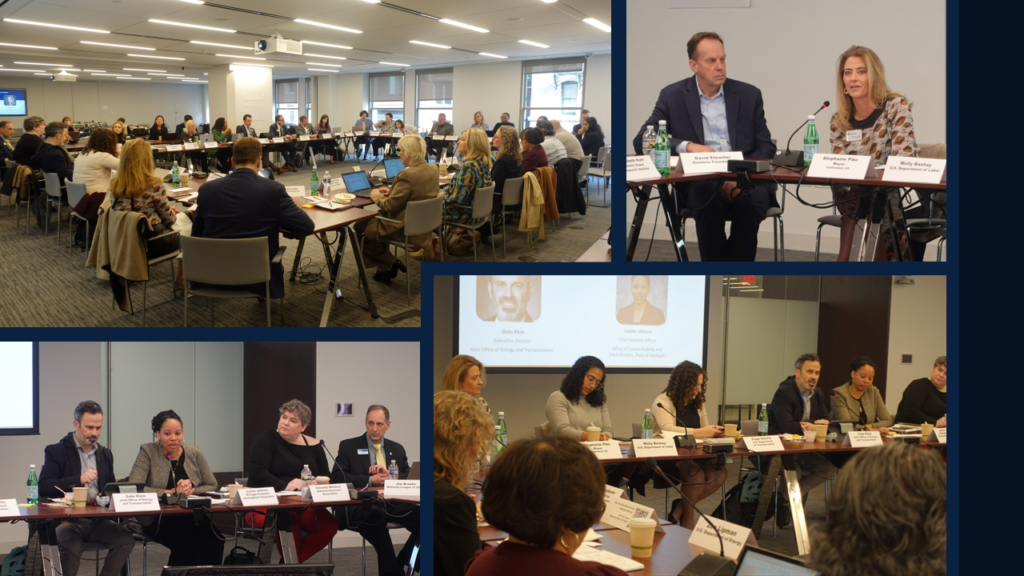
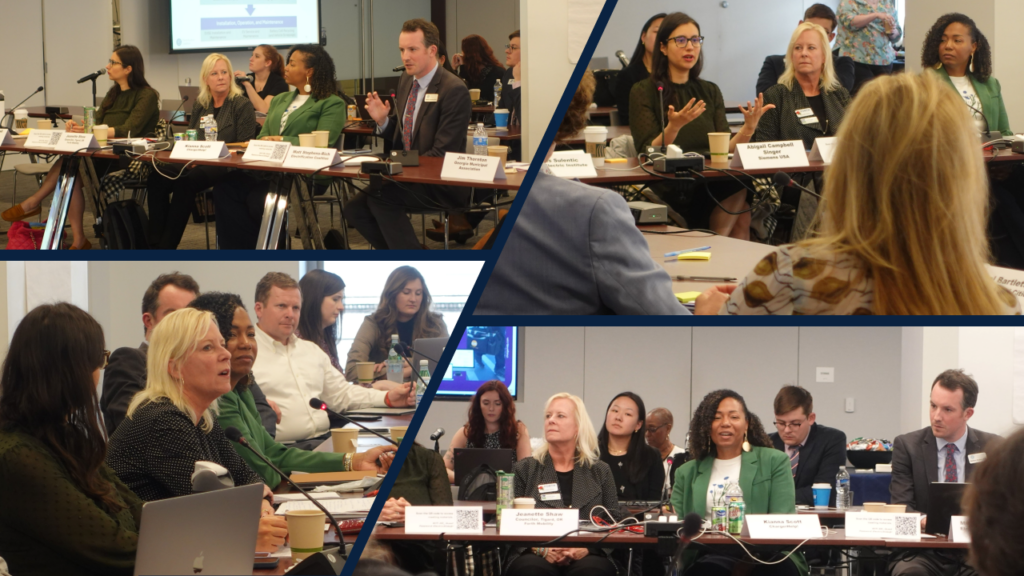
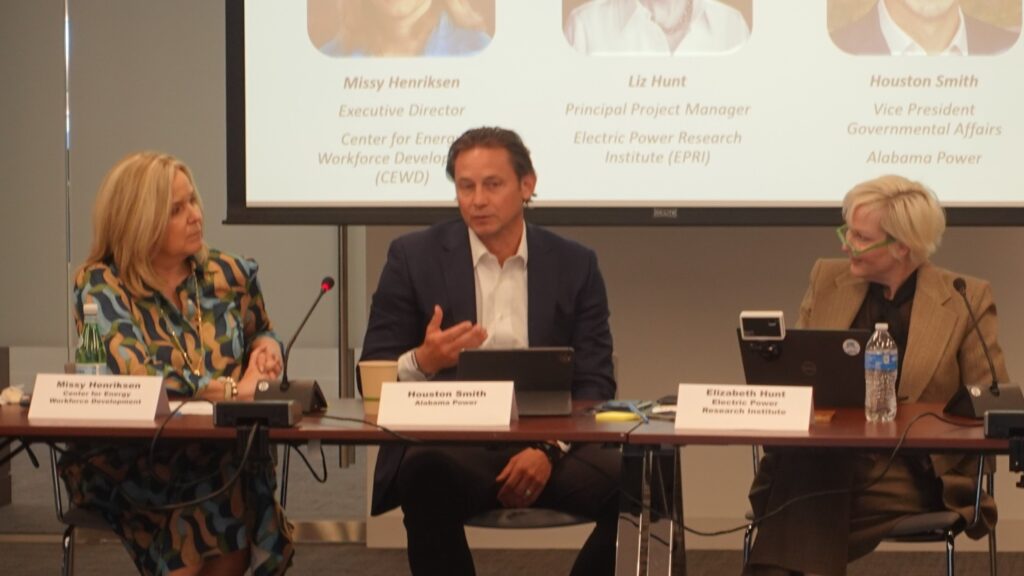
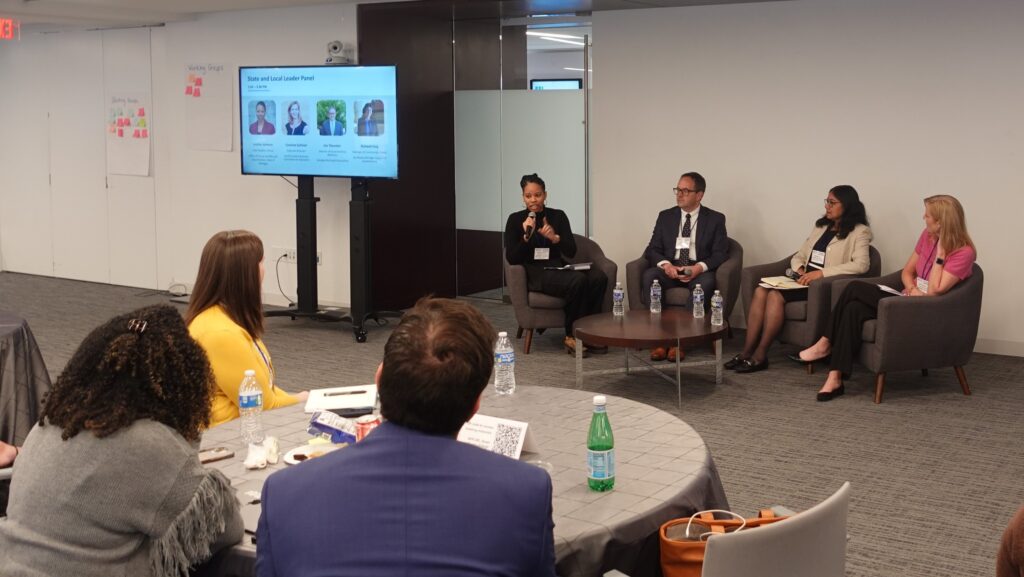
In a landmark event in April 2024, the State and Local Electric Vehicle Workforce Collaborative convened in Washington, D.C. This gathering, orchestrated by the National Governors Association (NGA) and the National League of Cities (NLC), underscored the transformative potential of federal investments in electric vehicle (EV) infrastructure. Through the National Electric Vehicle Infrastructure Program (NEVI), substantial economic opportunities are emerging, particularly in underserved communities.
Collaborative Efforts for Workforce Development
The collaborative aims to develop a skilled workforce to support the burgeoning EV infrastructure, fostering career pathways in marginalized areas. This initiative is a joint effort among government entities, industry experts, and educational leaders. Key figures, including Justine Johnson, Chief Mobility Officer for Michigan, and Stephanie Piko, Mayor of Centennial, Colorado, co-chaired the taskforce. Federal representatives, such as Gabe Klein from the U.S. Department of Energy and Transportation, also participated, highlighting the importance of leveraging NEVI funding for workforce development.
Key Discussions and Strategies
Over the course of two days, the event featured in-depth discussions on building a talent pipeline and creating inclusive workforce strategies. Abigail Campbell Singer from Siemens USA shared insights from the EVeryone Charging Forward initiative, emphasizing the need for inclusive EV workforce development. Other discussions highlighted the role of educational institutions and industry leaders in supporting a diverse EV workforce through technical certificate programs and pre-apprenticeship courses.
Moving Forward: Innovation and Collaboration
The meeting concluded with a call for continued innovation and collaboration. Policymakers, educators, and industry leaders were urged to work together to ensure equitable opportunities arising from EV advancements. Plans to develop resources and working groups were initiated to address data and action gaps identified during the event.
By fostering these discussions, the EV Workforce Collaborative is committed to ensuring that America’s shift to electric vehicles is paralleled by the creation of skilled, equitable employment opportunities, supporting a sustainable and inclusive economic transition for all communities.
More Articles
Getting licensed or staying ahead in your career can be a journey—but it doesn’t have to be overwhelming. Grab your favorite coffee or tea, take a moment to relax, and browse through our articles. Whether you’re just starting out or renewing your expertise, we’ve got tips, insights, and advice to keep you moving forward. Here’s to your success—one sip and one step at a time!
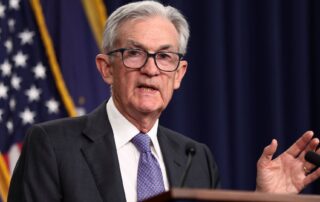
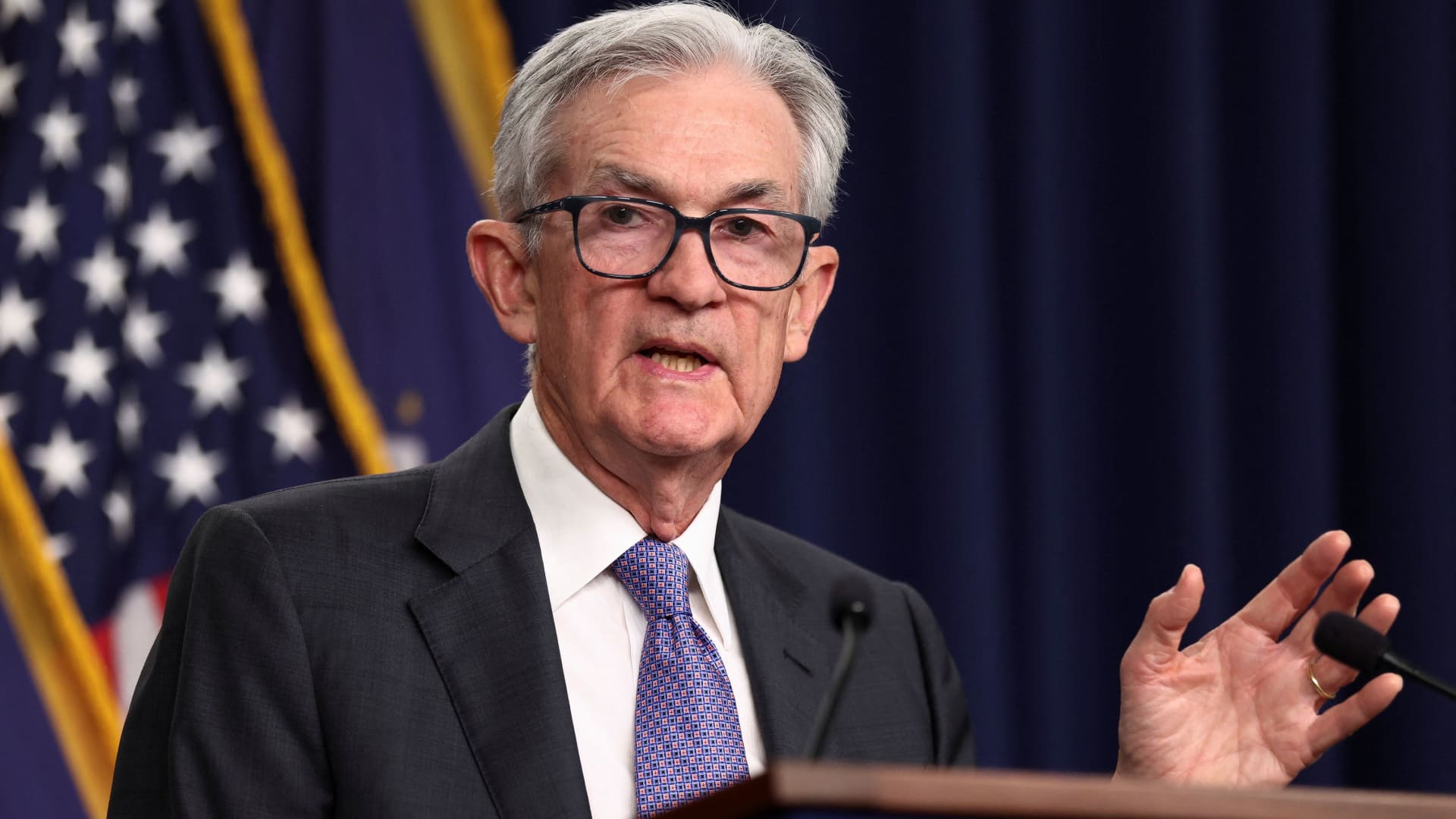
A new CNBC Fed Survey reveals that economists expect just two additional interest rate cuts in 2026 and none in 2027, even if President Donald Trump appoints a more dovish Federal Reserve chair. Strong economic growth, stable inflation, and reduced recession fears are keeping rate‑cut expectations limited, signaling a more stable long‑term environment for real estate, mortgage, and financial professionals.
A nationwide insurance crisis is accelerating as climate‑driven disasters push premiums higher, force insurers out of multiple states, and reshape real estate and mortgage markets. Once limited to Florida and California, the instability now threatens 15 states where losses, extreme weather, and insurer withdrawals are creating mounting risks for homeowners and industry professionals alike.
Commercial real estate is entering 2026 with a cautious but strategic shift. Companies are ditching oversized offices in favor of smaller, higher‑quality spaces packed with amenities that attract today’s workforce. Downtown markets like Portland remain steady, while suburban vacancies rise and landlords get creative with incentives. Industrial real estate is cooling after years of explosive growth, and developers are hesitating—though multifamily and hotel projects continue to push forward. Overall, the theme of the year is patience, as businesses wait for clearer signals on interest rates, construction costs, and long‑term workplace trends.
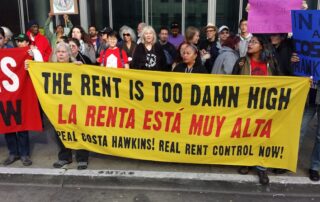
A new study from leading urban scholars reveals that zoning laws and construction slowdowns aren’t the true cause of America’s housing crisis. Even with massive building booms, rents would barely drop for decades. The real culprit? Soaring economic inequality. Until the widening wealth gap is addressed, policies like upzoning and deregulation won’t make housing affordable for working Americans—and may even push prices higher.
Cambio, a fast‑growing AI proptech company, has secured an $18 million Series A at a $100 million valuation, aiming to overhaul how commercial real estate firms process documents and make investment decisions. By converting messy PDFs, spreadsheets, and audit files into investor‑ready insights in minutes, the platform is rapidly expanding—now active in 35 countries and managing data for over 2 billion square feet of assets.
Florida’s insurance market is finally showing signs of real recovery heading into 2026. Industry leaders say recent legal reforms have sharply reduced lawsuits, allowing insurers to stabilize rates — and even introduce reductions for the first time in years. With new companies entering the state and solvency at its strongest level in more than a decade, real estate and mortgage professionals may benefit from improved buyer confidence and smoother closings as insurance becomes more predictable again.