In an era where technology is rapidly evolving, Microsoft has taken significant strides in transforming the employee experience to adapt to the hybrid work environment. This transformation is not just about leveraging technology, but also about enhancing the overall work culture and physical spaces to foster inclusivity and productivity.
Back in 2017, Microsoft transitioned from a traditional IT organization to a more forward-thinking entity, focusing on the employee experience alongside technological advancements. This shift was driven by the goal of making employees more productive and connected, especially as hybrid work became the norm in 2020 due to the COVID-19 pandemic.
Key to this transformation has been the integration of Microsoft Azure cloud solutions and significant investments in artificial intelligence to enhance IT infrastructure, employee experiences, and corporate functions. Notably, Microsoft has deployed AI-driven solutions like Microsoft 365 Copilot, which boosts employee productivity by automating tasks such as email composition and meeting summarization.
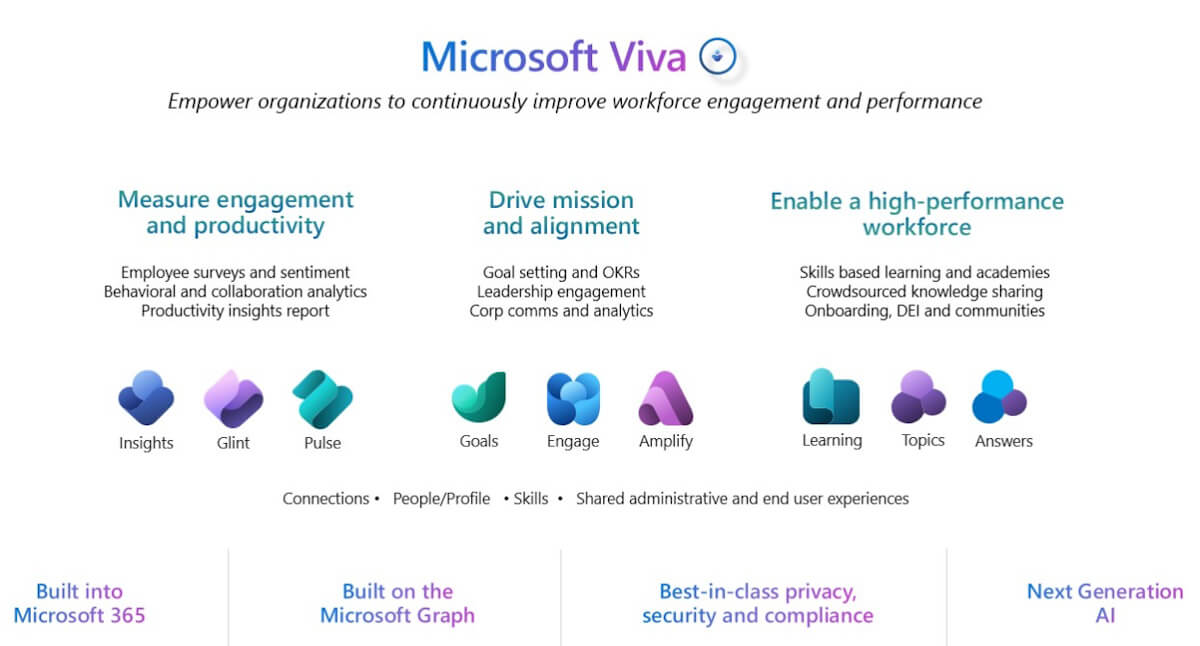
The launch of Microsoft Viva addressed the hybrid work paradox, offering a platform for employee connection and well-being while also catering to evolving business performance needs. The company’s emphasis on a Zero Trust security model ensures that corporate assets are protected, providing secure and productive employee experiences across devices and applications.
Physically, Microsoft is transforming its facilities to align with digital advancements, ensuring that technology is seamlessly integrated with workplace environments. In partnership with real estate teams, Microsoft has introduced smart buildings powered by Azure Digital Twins and IoT devices.
To drive effective adoption of these innovations, Microsoft employs robust change management practices, empowering employees to leverage new tools and technologies seamlessly. The organization recognizes change management’s crucial role in ensuring that digital transformation investments translate to increased engagement, productivity, and connectivity.
As the era of generative AI progresses, Microsoft continues to explore how AI can unlock further creativity and productivity within its workforce, urging companies to embrace AI as a tool to stay competitive.
By consistently reimagining both virtual and physical spaces, Microsoft endeavors to create an environment where both the organization and its people can thrive amidst the challenges and opportunities of hybrid work and AI advancements.
Getting licensed or staying ahead in your career can be a journey—but it doesn’t have to be overwhelming. Grab your favorite coffee or tea, take a moment to relax, and browse through our articles. Whether you’re just starting out or renewing your expertise, we’ve got tips, insights, and advice to keep you moving forward. Here’s to your success—one sip and one step at a time!
AI-powered sentiment analysis is giving real estate investors a major edge by scanning millions of online conversations to detect market shifts long before traditional data responds. From predicting neighborhood momentum to spotting declining tenant satisfaction, this technology captures real-time public emotion across office, retail, and multifamily sectors. As trends in sentiment become as important as demographics and NOI, professionals who understand these tools will stay ahead of the next market move.
Florida lawmakers are racing toward a high-stakes finish to the legislative session as a sweeping property tax overhaul triggers fierce debate. The House is pushing to eliminate most non-school property taxes on primary homes, while the Senate urges caution and Gov. Ron DeSantis floats even bigger changes. With Democrats warning of budget crises and only weeks left to strike a deal, the future of Florida’s tax structure—and its real estate market—hangs in the balance.
Florida homeowners are getting rare financial relief as the emergency insurance assessment—added after multiple insurers collapsed post‑Hurricane Ian—has been paid off two years early. The early payoff wipes out the charge of about $30 per household per year and delivers more than $650 million in statewide savings. With the insurance market stabilizing faster than expected, real estate and insurance professionals can expect a slightly more favorable environment for buyers and policyholders alike.
After years of pandemic‑driven disruption, rising vacancies, and interest‑rate volatility, confidence is finally returning to commercial real estate. Major analysts report that leasing activity is accelerating, investor appetite is rising, and high‑quality properties are leading the rebound. With investment volumes expected to jump and vacancies beginning to fall, 2026 is shaping up to be the long‑awaited turning point for the industry.
Sioux Falls enters 2026 with a commercial real estate market outperforming nearly every regional competitor. Fueled by strong fundamentals, major private investment, and confidence across all sectors, the city is positioned for what experts call “white‑hot economic activity.” From booming land sales and rising retail absorption to stabilizing office and industrial sectors, the metro’s momentum is undeniable—making it a prime environment for real estate professionals and investors looking for opportunity.
Florida lawmakers have advanced HB 767, a major insurance transparency bill that would create a statewide online rate database, boost consumer education, and prevent insurers from using land value to inflate premiums. The proposal promises clearer insurance data and stronger accountability—bringing much‑needed relief and insight to homeowners, real estate agents, mortgage professionals, and insurance producers across the state.