In an era where technology is rapidly evolving, Microsoft has taken significant strides in transforming the employee experience to adapt to the hybrid work environment. This transformation is not just about leveraging technology, but also about enhancing the overall work culture and physical spaces to foster inclusivity and productivity.
Back in 2017, Microsoft transitioned from a traditional IT organization to a more forward-thinking entity, focusing on the employee experience alongside technological advancements. This shift was driven by the goal of making employees more productive and connected, especially as hybrid work became the norm in 2020 due to the COVID-19 pandemic.
Key to this transformation has been the integration of Microsoft Azure cloud solutions and significant investments in artificial intelligence to enhance IT infrastructure, employee experiences, and corporate functions. Notably, Microsoft has deployed AI-driven solutions like Microsoft 365 Copilot, which boosts employee productivity by automating tasks such as email composition and meeting summarization.
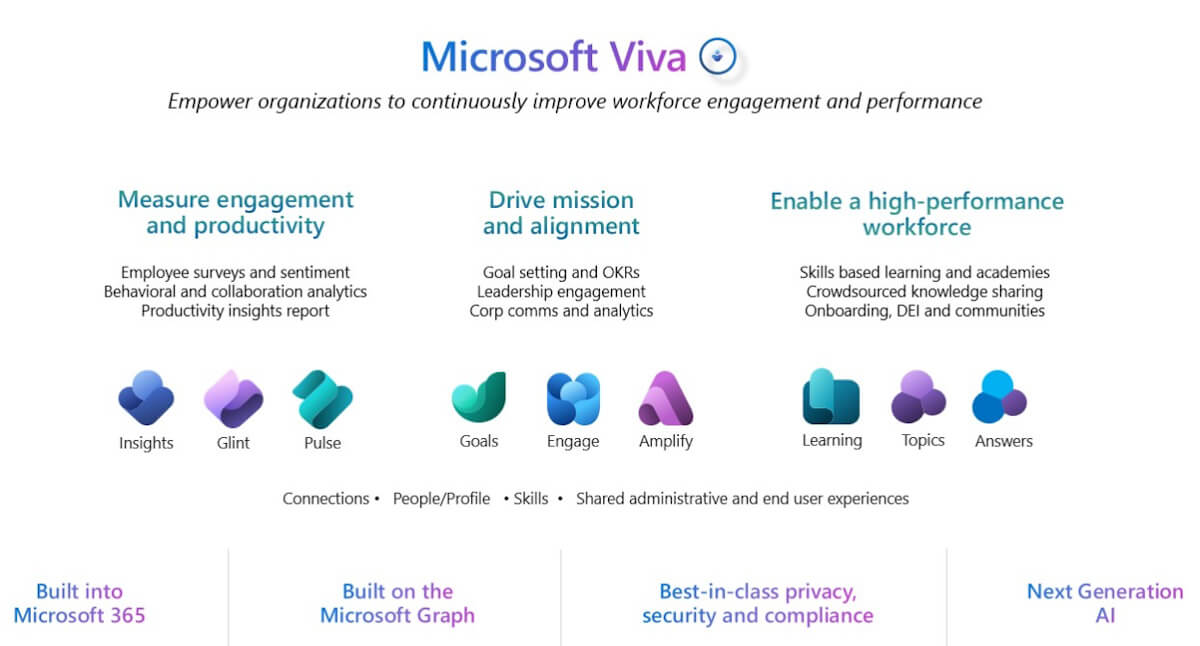
The launch of Microsoft Viva addressed the hybrid work paradox, offering a platform for employee connection and well-being while also catering to evolving business performance needs. The company’s emphasis on a Zero Trust security model ensures that corporate assets are protected, providing secure and productive employee experiences across devices and applications.
Physically, Microsoft is transforming its facilities to align with digital advancements, ensuring that technology is seamlessly integrated with workplace environments. In partnership with real estate teams, Microsoft has introduced smart buildings powered by Azure Digital Twins and IoT devices.
To drive effective adoption of these innovations, Microsoft employs robust change management practices, empowering employees to leverage new tools and technologies seamlessly. The organization recognizes change management’s crucial role in ensuring that digital transformation investments translate to increased engagement, productivity, and connectivity.
As the era of generative AI progresses, Microsoft continues to explore how AI can unlock further creativity and productivity within its workforce, urging companies to embrace AI as a tool to stay competitive.
By consistently reimagining both virtual and physical spaces, Microsoft endeavors to create an environment where both the organization and its people can thrive amidst the challenges and opportunities of hybrid work and AI advancements.
Getting licensed or staying ahead in your career can be a journey—but it doesn’t have to be overwhelming. Grab your favorite coffee or tea, take a moment to relax, and browse through our articles. Whether you’re just starting out or renewing your expertise, we’ve got tips, insights, and advice to keep you moving forward. Here’s to your success—one sip and one step at a time!
Artificial intelligence is accelerating across the real estate industry, bringing new productivity platforms, smarter MLS systems, cleaner data tools, and AI‑powered consumer guidance. From United Real Estate’s BullseyeAI assistant to Zillow’s integration with Google NotebookLM and major MLS restructures, technology is rapidly reshaping how agents research properties, communicate with clients, and manage daily workflows. For future and current professionals, understanding these tools isn’t optional—it's becoming the new foundation for a competitive real estate career.
A sweeping Treasury Department rule has activated the first nationwide anti–money laundering requirements for residential real estate, forcing professionals involved in closings and settlements to report certain non‑financed property transfers. The move closes long‑standing loopholes that allowed criminals, corrupt officials, and foreign adversaries to hide illicit funds in U.S. housing. Backed by recent federal court decisions, the rule positions the U.S. as a global leader in financial transparency—and signals that commercial real estate may be next. For today’s real estate professionals, staying compliant is becoming just as essential as understanding the market itself.
United Real Estate has introduced BullseyeAI, a fully integrated AI platform designed to help agents cut overhead, automate daily tasks, and reclaim valuable time. Powered by a proprietary large‑language‑model system, BullseyeAI blends dashboards, navigation, voice commands, and automated assistants into one intelligent workspace. With AI agents like Sofie and Rosie managing client nurturing, recruiting workflows, marketing, data handling, and more, the platform marks a major leap toward faster, smarter productivity for real estate professionals.
Boynton Beach residents are reeling after a new city ordinance began issuing fines to homeowners for parking on their own property—unless the vehicle sits on an official driveway. The rule bans parking on grass or unpaved areas, shocking families who’ve parked the same way for years. With fines starting at 25 dollars per car and rising if unpaid, many residents say the sudden crackdown is unfair and financially burdensome, sparking a heated debate over property rights and local government authority.
From AI assistants like United’s BullseyeAI to MLS upgrades rolling out across the country, real estate professionals are entering a new tech‑driven era. This week’s highlights include smarter productivity tools, unified MLS systems, enhanced data access, and even AI‑powered buyer education through Zillow’s new NotebookLM partnership. Whether you’re a seasoned broker or preparing for your license exam, these innovations show how rapidly the industry is evolving—and why staying informed is becoming essential for success.
Artificial intelligence is rapidly moving from a helpful tool to a central force inside real estate transactions, MLS systems, and agent workflows. As AI reshapes everything from listing photos to data distribution, MLSs, regulators, and brokerages are racing to set clear rules that protect consumers and reduce legal risks. With new laws, updated agreements, and rising debates over who should regulate AI, the industry is confronting a defining moment—one that every current and future real estate professional must understand.