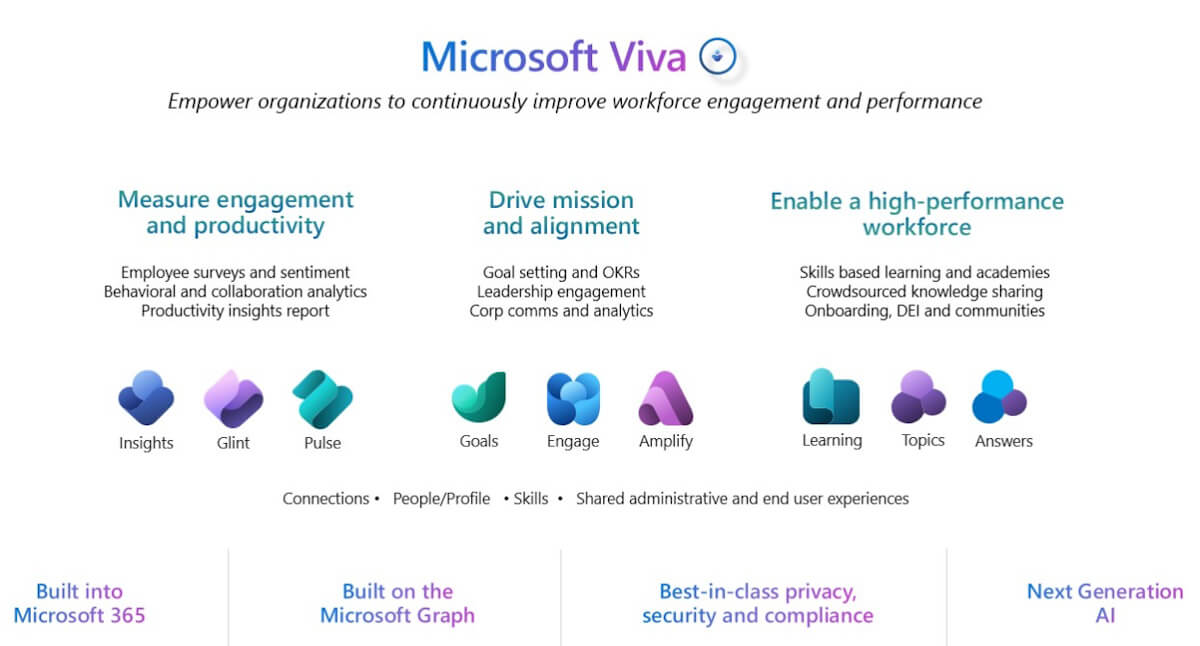
In an era where technology is rapidly evolving, Microsoft has taken significant strides in transforming the employee experience to adapt to the hybrid work environment. This transformation is not just about leveraging technology, but also about enhancing the overall work culture and physical spaces to foster inclusivity and productivity.
Back in 2017, Microsoft transitioned from a traditional IT organization to a more forward-thinking entity, focusing on the employee experience alongside technological advancements. This shift was driven by the goal of making employees more productive and connected, especially as hybrid work became the norm in 2020 due to the COVID-19 pandemic.
Key to this transformation has been the integration of Microsoft Azure cloud solutions and significant investments in artificial intelligence to enhance IT infrastructure, employee experiences, and corporate functions. Notably, Microsoft has deployed AI-driven solutions like Microsoft 365 Copilot, which boosts employee productivity by automating tasks such as email composition and meeting summarization.
The launch of Microsoft Viva addressed the hybrid work paradox, offering a platform for employee connection and well-being while also catering to evolving business performance needs. The company’s emphasis on a Zero Trust security model ensures that corporate assets are protected, providing secure and productive employee experiences across devices and applications.
Physically, Microsoft is transforming its facilities to align with digital advancements, ensuring that technology is seamlessly integrated with workplace environments. In partnership with real estate teams, Microsoft has introduced smart buildings powered by Azure Digital Twins and IoT devices.
To drive effective adoption of these innovations, Microsoft employs robust change management practices, empowering employees to leverage new tools and technologies seamlessly. The organization recognizes change management’s crucial role in ensuring that digital transformation investments translate to increased engagement, productivity, and connectivity.
As the era of generative AI progresses, Microsoft continues to explore how AI can unlock further creativity and productivity within its workforce, urging companies to embrace AI as a tool to stay competitive.
By consistently reimagining both virtual and physical spaces, Microsoft endeavors to create an environment where both the organization and its people can thrive amidst the challenges and opportunities of hybrid work and AI advancements.
Getting licensed or staying ahead in your career can be a journey—but it doesn’t have to be overwhelming. Grab your favorite coffee or tea, take a moment to relax, and browse through our articles. Whether you’re just starting out or renewing your expertise, we’ve got tips, insights, and advice to keep you moving forward. Here’s to your success—one sip and one step at a time!
Commercial real estate is undergoing rapid transformation driven by flexible workspaces, booming industrial demand, sustainability priorities, and advanced building technology. As tenant expectations evolve, investors and professionals who adapt to modular work environments, e-commerce driven logistics growth, green building standards, and tech integrated properties will be best positioned for long term success in an increasingly dynamic market.
Florida homeowners are getting long-awaited relief as the state ends its 1 percent insurance surcharge two years ahead of schedule. The charge, originally added after multiple insurer failures, will officially conclude on October 1, saving residents an estimated 650 million dollars. While individual savings average about 31 dollars per policy, the move signals a healthier and more stable insurance market—welcome news for homeowners, buyers, and real estate professionals across the state.
This week’s biggest real estate tech updates are reshaping how agents market listings, how builders present inventory, and how sellers prep their homes. Canva and Rechat now offer a seamless MLS‑to‑marketing workflow, PulteGroup is expanding AI to create consistent digital listings, and Simplify Home is accelerating pre‑listing improvements with pay‑at‑closing options. These innovations highlight a clear trend: real estate pros who embrace smarter tools will move faster and win more business.
A new national analysis shows that where you choose to launch your career can dramatically impact your early financial stability, job growth, and long‑term success. Wyoming, Vermont, and the Dakotas offer the strongest opportunities for entry‑level professionals thanks to abundant jobs and affordable housing. Meanwhile, states like California and Hawaii present steep challenges with extremely limited openings and sky‑high living costs. For those eyeing real estate, mortgage, insurance, or finance careers, Florida remains competitive but promising—and Cameron Academy is ready to help you get licensed and career‑ready no matter where you start.
Florida lawmakers have approved HB 399, a sweeping land‑use overhaul that aims to expand housing supply but has sparked concern over weakened local authority and potential sprawl. Supporters argue the bill will ease affordability pressures, while opponents warn it sidelines voter-approved growth protections and shifts too much power toward developers. The measure now moves to the Senate, positioning it as a pivotal issue for real estate professionals navigating Florida’s evolving regulatory landscape.
A new study shows that buyers in the Florida Keys are gaining more influence over pricing and negotiations, signaling a cooling and maturing market heading into 2026. With increased leverage on the buyer side, real estate professionals must adapt their strategies—sharpening pricing analysis, negotiation skills, and market insights—to stay competitive in a shifting Monroe County landscape.