As Donald Trump emerges as a pivotal figure in the political and economic landscape, his potential influence on the real estate market is drawing significant attention. With the possibility of Trump securing a victory in the 2024 US election, investors and analysts are closely examining the implications for the real estate sector. This comprehensive analysis delves into the multifaceted impact of Trump’s policies and persona on real estate, exploring economic indicators, market reactions, and strategic considerations for stakeholders.
Economic Indicators and Market Reactions
The anticipation of Trump’s electoral success has already triggered notable market reactions. Stock futures and Treasury yields have risen, while the dollar has reached its highest level in a year. Bitcoin, too, has surged to a record high. These movements suggest that investors are bracing for inflationary pressures under Trump’s policies, which are expected to include increased spending, tax cuts, and potentially higher tariffs.
The broader economic consequences of Trump’s policies could extend beyond the US, affecting international markets. His stance on NATO and reluctance to fund the war in Ukraine could alter the geopolitical landscape, influencing economic stability in Europe. Additionally, higher US tariffs could have damaging effects on the UK and eurozone economies, with projections indicating sluggish growth for the UK.
Impact on the US Housing Market
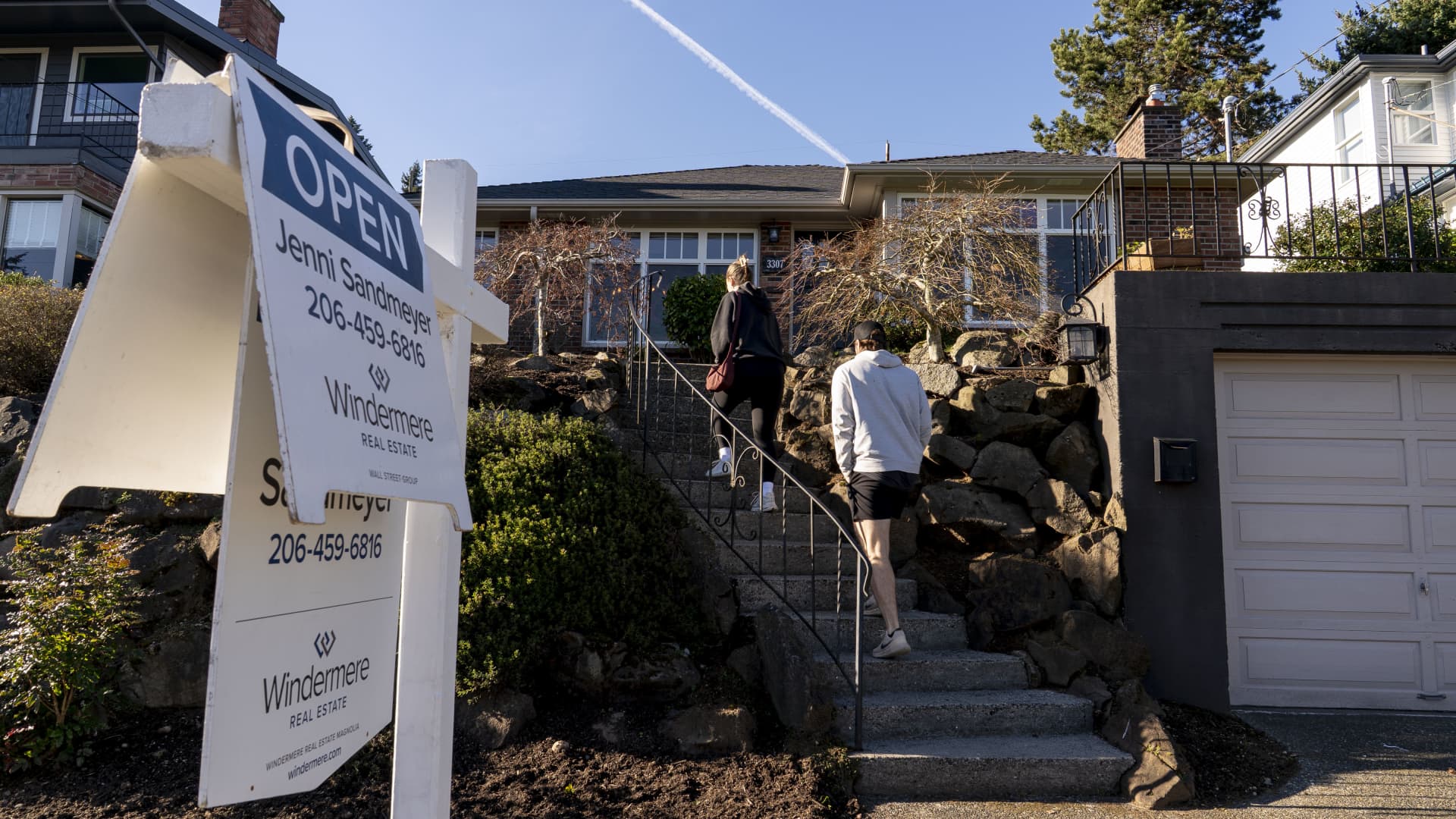
The US housing market is already grappling with elevated mortgage rates, and Trump’s potential policies could exacerbate these challenges. The average 30-year mortgage rate has been rising for five consecutive weeks, driven by strong economic data and expectations of Trump’s victory. This trend has contributed to a 3.5% decline in existing home sales as of September, marking the lowest level since 2010. The continuation of high mortgage rates could delay the recovery of the US housing market.
The Federal Reserve’s upcoming decision on interest rates is pivotal. While a rate cut is anticipated, any shifts in the Fed’s outlook will be closely scrutinized. Rising Treasury yields have implications beyond the US, affecting UK swap rates and exerting pressure on UK mortgage lenders. Although significant increases in mortgage rates are not expected in the short term, the situation could dampen demand across various housing market segments.
Trump’s Housing Agenda and Immigration
Trump’s housing agenda remains somewhat ambiguous, with past policies suggesting a focus on reducing immigration to ease housing demand. However, mass deportations could reduce the construction labor force, potentially slowing homebuilding efforts. This presents a complex challenge for the housing market, balancing supply and demand dynamics in the face of potential policy shifts.
GSE Reform and Privatization
A significant aspect of Trump’s potential impact on real estate involves the future of government-sponsored enterprises (GSEs) like Fannie Mae and Freddie Mac. Plans to remove them from conservatorship are in the works, with proposals for the Treasury Department to partially back certain loans. This move could reshape the mortgage-backed securities market and influence credit availability, with far-reaching implications for both lenders and borrowers.
Regulatory Environment and Economic Policy Implications
A Trump administration is expected to bring a deregulatory approach to the financial sector, potentially benefiting the mortgage and real estate industries. Leadership changes in key housing agencies could result in less regulatory oversight, aligning with industry calls for reduced red tape. While this could lead to reduced regulation and potentially lower costs for mortgage lenders, the broader economic implications, including potential tariffs and budget cuts, could influence housing affordability and availability.
Market Perceptions and Real Estate Ventures
Trump’s brand and persona have a notable impact on real estate markets. His properties, often branded with his name, are perceived as luxury and high-status, which can drive demand and property values in those developments. However, his polarizing nature might also deter certain buyers or investors who prefer to distance themselves from his brand. The future of Trump’s real estate ventures will likely continue to be shaped by public perception and market trends.
Despite his political career, Trump has maintained a significant presence in real estate. His organization continues to manage and develop properties globally. Any new projects or expansions could influence local markets, particularly if they involve high-profile developments. Additionally, his business strategies, including branding and marketing approaches, might set trends within the industry.
Conclusion
In conclusion, Donald Trump’s future impact on real estate will be determined by a combination of his political activities, business ventures, and the broader economic environment. Stakeholders in the real estate market should closely monitor these variables to anticipate potential changes and opportunities. As we move forward, the real estate market will need to adapt to the evolving economic landscape under Trump’s leadership. Stakeholders should stay informed and prepared for potential changes that could impact property values and investment strategies.
- Knight Frank’s Perspective: Trump’s policies could lead to both opportunities and challenges within the property sector, with tax reforms and deregulation potentially stimulating real estate growth. However, uncertainties in international relations and trade policies could impact foreign investment in U.S. real estate.
- HousingWire’s Analysis on Mortgage Rates: Trump’s economic policies might lead to increased inflation and higher interest rates, possibly driving mortgage rates up to 8%, affecting housing affordability and demand.
- Economist’s Prediction on Housing Market: Potential regulatory rollbacks and tax cuts might stimulate housing market activity, but economic volatility and geopolitical tensions could introduce risks, affecting consumer confidence and real estate investment.