“`html U. S. Real estate market outlook for 2025 As we edge closer to 2025, the U.S. real estate market stands at a pivotal juncture. A confluence of economic shifts, demographic changes, and technological advancements is set to redefine the landscape, impacting both housing and commercial real estate sectors profoundly. This transformation, detailed in a recent analysis by The Africa Logistics, highlights the challenges and opportunities that lie ahead.

The Economic Landscape

The broader economic context will be a significant determinant of real estate market dynamics. As we approach 2025, key economic indicators such as interest rates and inflation are poised to influence market activity. The Federal Reserve’s monetary policies will play a crucial role; their adjustments to interest rates could either cool or spur real estate activity. Elevated interest rates may dampen housing demand, while ongoing inflation continues to pressure construction costs, potentially leading to higher prices or reduced new projects.

Residential Real Estate: A Mixed Outlook

The residential sector faces a dual reality of challenges and opportunities. A persistent shortage of housing inventory, particularly affordable homes, continues to drive up prices. This scarcity is exacerbated by supply constraints and rising mortgage rates, which may push first-time buyers out of the market. However, the entry of Generation Z and Millennials into the housing market will shape demand patterns, with a preference for tech-savvy, sustainable living spaces.

Commercial Real Estate: A Sector in Transition

Commercial real estate is at a crossroads, adapting to post-pandemic realities and evolving consumer behaviors. The office space landscape is shifting with the rise of remote work, leading to a potential decline in demand for large urban office spaces. Meanwhile, the retail sector must navigate the ongoing e-commerce boom, focusing on experiential offerings. Industrial properties, driven by e-commerce and logistics needs, are expected to see continued growth.

Technological Transformation

Technology is revolutionizing the real estate industry, from smart homes to AI-driven investment strategies. The integration of smart technology in buildings appeals to tech-savvy buyers, while AI and big data enhance investment decision-making. Virtual and augmented reality tools are also transforming property viewing experiences, making them more accessible and efficient.

Regional Variations

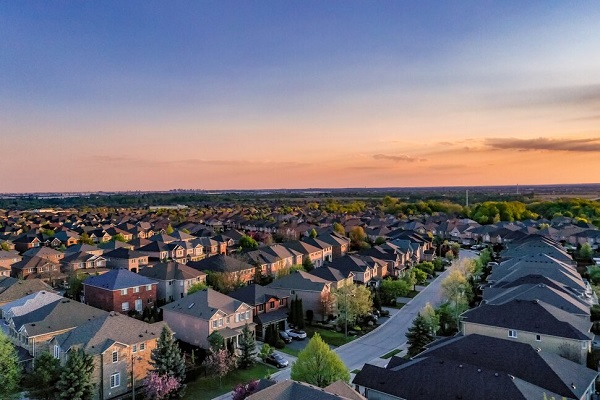
Migration patterns, fueled by remote work policies, will continue to shape regional real estate trends. Suburban and secondary markets are witnessing growth as people seek affordable living spaces outside expensive metropolitan areas. Simultaneously, urban centers are experiencing revitalization, driven by mixed-use developments and urban renewal projects.
As the U.S. real estate market navigates these changes, investors and developers must remain agile, leveraging technological tools and staying attuned to market trends. The landscape promises to be dynamic, driven by economic forces and innovative solutions to meet modern demands.
For further insights, explore related articles: “`

More Articles

Getting licensed or staying ahead in your career can be a journey—but it doesn’t have to be overwhelming. Grab your favorite coffee or tea, take a moment to relax, and browse through our articles. Whether you’re just starting out or renewing your expertise, we’ve got tips, insights, and advice to keep you moving forward. Here’s to your success—one sip and one step at a time!

Real Estate Agents Embrace AI — But Confidence and Training Lag Behind

A new national survey shows that while most real estate agents now use AI for everyday tasks like writing listing descriptions and social posts, many remain uneasy trusting the technology with higher‑stakes responsibilities. Agents report major time savings and better communication thanks to AI, but lingering concerns about accuracy, compliance and data interpretation reveal a growing skills gap. The industry’s next big need: stronger AI tools, clearer standards and hands‑on training — a gap education providers like Cameron Academy are poised to fill.

Florida’s Property Insurance Crisis Is Spiraling—and Lawmakers Are Looking the Other Way

Florida homeowners and real estate professionals are being crushed by skyrocketing insurance premiums, shrinking coverage, and a claims system stacked against consumers. While residents face the highest insurance costs in the nation, meaningful reform bills are being ignored in Tallahassee, leaving families, businesses, and the entire real estate market exposed.

AI Forces Real Estate to Finally Fix Its Broken Data Systems

Artificial intelligence is exposing the real estate industry's biggest weakness: fragmented, inconsistent data scattered across disconnected systems. Unlike finance and e‑commerce, real estate never built a unified digital foundation—and now AI can’t function without one. As companies scramble to standardize information, organizations like OSCRE are pushing shared data models that could transform everything from leasing to property management. The result may be the industry’s most collaborative era yet, where clean, interoperable data becomes the key to unlocking AI’s full power.

Off‑Market Deals and Investor Demand Are Rewriting Residential Real Estate

Off‑market networks, rising small‑investor buying, regulatory shifts, and intensifying portal competition are reshaping how homes are found and sold. With inventory tight and traditional listings declining, agents who understand investor behavior, private deal flow, and evolving rules are gaining a major edge in today’s fast‑changing housing landscape.

Florida Homeowners Insurance Hits a “New Normal” as Costs Stay Painfully High

Despite state leaders celebrating stabilization, Florida homeowners continue to face some of the highest insurance premiums in the country. Local experts say rates have stopped skyrocketing but have settled at levels that feel permanently elevated—especially for older or coastal homes. With insurers still avoiding high‑risk areas and demanding costly home upgrades, many Floridians are questioning whether this expensive reality is here to stay.

New California Bill Would Require Insurers to Cover Homes Built to Wildfire‑Safety Standards

California is pushing a landmark proposal that would force insurers to offer coverage to homeowners who meet state‑approved wildfire‑mitigation standards. The new SB 1076, known as the Insurance Coverage for Fire‑Safe Homes Act, aims to stabilize the state’s distressed insurance market by guaranteeing coverage for fire‑hardened homes starting in 2028—backed by strict penalties for insurers who refuse. As supporters rally and critics warn of market strain, the bill could reshape real estate, insurance, and lending practices across wildfire‑prone regions.