“`html
As we edge closer to
2025, the
U.S. real estate market stands at a pivotal juncture. A confluence of economic shifts, demographic changes, and technological advancements is set to redefine the landscape, impacting both housing and commercial real estate sectors profoundly. This transformation, detailed in a recent analysis by
The Africa Logistics, highlights the challenges and opportunities that lie ahead.
The Economic Landscape
The broader economic context will be a significant determinant of
real estate market dynamics. As we approach
2025, key economic indicators such as
interest rates and
inflation are poised to influence market activity. The
Federal Reserve’s monetary policies will play a crucial role; their adjustments to interest rates could either cool or spur real estate activity. Elevated interest rates may dampen housing demand, while ongoing inflation continues to pressure construction costs, potentially leading to higher prices or reduced new projects.
Residential Real Estate: A Mixed Outlook
The
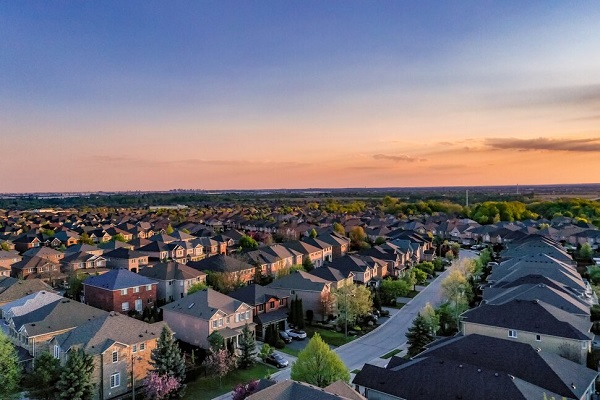
residential sector faces a dual reality of challenges and opportunities. A persistent shortage of housing inventory, particularly affordable homes, continues to drive up prices. This scarcity is exacerbated by supply constraints and rising mortgage rates, which may push first-time buyers out of the market. However, the entry of
Generation Z and
Millennials into the housing market will shape demand patterns, with a preference for tech-savvy, sustainable living spaces.
Commercial Real Estate: A Sector in Transition
Commercial real estate is at a crossroads, adapting to post-pandemic realities and evolving consumer behaviors. The
office space landscape is shifting with the rise of remote work, leading to a potential decline in demand for large urban office spaces. Meanwhile, the retail sector must navigate the ongoing e-commerce boom, focusing on experiential offerings. Industrial properties, driven by e-commerce and logistics needs, are expected to see continued growth.
Technological Transformation
Technology is revolutionizing the real estate industry, from
smart homes to
AI-driven investment strategies. The integration of smart technology in buildings appeals to tech-savvy buyers, while AI and big data enhance investment decision-making. Virtual and augmented reality tools are also transforming property viewing experiences, making them more accessible and efficient.
Regional Variations
Migration patterns, fueled by remote work policies, will continue to shape regional real estate trends. Suburban and secondary markets are witnessing growth as people seek affordable living spaces outside expensive metropolitan areas. Simultaneously, urban centers are experiencing revitalization, driven by mixed-use developments and urban renewal projects.
As the
U.S. real estate market navigates these changes, investors and developers must remain agile, leveraging technological tools and staying attuned to market trends. The landscape promises to be dynamic, driven by economic forces and innovative solutions to meet modern demands.
For further insights, explore related articles:
“`