Understanding Privatization: Process, Benefits, and Real-World Examples
In the ever-evolving landscape of global economics, privatization stands as a pivotal mechanism reshaping the ownership of government-operated businesses, properties, and operations, transferring them into the hands of private entities. This transformation is not just a trend but a significant shift aimed at enhancing efficiency and profitability, as eloquently detailed in an Investopedia article published three weeks ago.
Privatization is a multifaceted process, often involving the transition of a publicly traded company into a privately held entity. This shift, known as corporate privatization, is designed to reduce bureaucratic overhead and increase operational efficiency by leveraging the motivations and skills inherent in the private sector.
Understanding the Privatization Process
The privatization journey is diverse, encompassing various methods by which governments transfer ownership of specific facilities or business processes to private, for-profit companies. The intention is clear: to save money and boost efficiency, a theme resonant across economies with distinct public and private sectors.
In the United States, the public sector includes entities like the U.S. Postal Service and public schools, while the private sector thrives in areas like consumer goods, finance, and technology. The delineation between these sectors underscores the strategic importance of privatization.
Public-to-Private vs. Corporate Privatization
Corporate privatization allows companies to restructure without the stringent oversight imposed on publicly listed entities. This flexibility is appealing when leadership seeks to implement changes that could negatively impact shareholders. A case in point is Dell Inc., which transitioned from public to private in 2013, only to revert to public status in 2018.
Pros and Cons of Privatization
Proponents of privatization argue that private companies are inherently more efficient and cost-effective, driven by a profit motive absent in government-run operations. However, critics caution against exposing essential services like electricity and water to market forces, advocating for public sector management to ensure equitable access.
Real-World Examples
Washington State’s 2012 decision to privatize liquor sales exemplifies the tangible impact of privatization. By enabling private entities like Costco and Walmart to sell liquor, the state relinquished control and revenue from these sales, illustrating a shift toward market-driven operations.
Similarly, the collapse of the Soviet Union marked a monumental shift from communism to privatization, leading to the concentration of wealth among a few wealthy Russians and highlighting the complex socio-economic ramifications of such transitions.
The Bottom Line
Privatization remains a powerful tool in the arsenal of economic strategies, capable of transforming government services and publicly traded companies alike. While it promises efficiency and profitability, the broader implications on society and market dynamics warrant careful consideration.
“`
More Articles
Getting licensed or staying ahead in your career can be a journey—but it doesn’t have to be overwhelming. Grab your favorite coffee or tea, take a moment to relax, and browse through our articles. Whether you’re just starting out or renewing your expertise, we’ve got tips, insights, and advice to keep you moving forward. Here’s to your success—one sip and one step at a time!
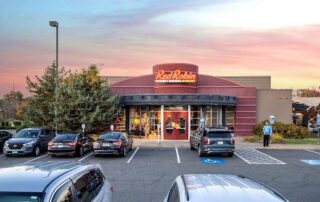
Newman Properties, a Massachusetts-based investment firm, has expanded its footprint into Connecticut with the $3.65 million acquisition of a 6,350‑square‑foot retail building in Enfield. Anchored by national restaurant chain Red Robin, the property offers the type of stable tenancy investors seek when entering new markets. The deal underscores growing confidence in anchored retail assets and provides a valuable real-world example for real estate professionals studying market analysis, investment strategy, and portfolio expansion.
JPMorgan now expects national home prices to flatten in 2026, but the Sunbelt is telling a very different story. Florida home values are down 5.1%, Texas is down 2.4%, and analysts warn that years of rapid building are finally catching up to the region. As demand stabilizes and inventory swells, real estate professionals — especially in Florida — face a market full of challenges, opportunities, and critical timing decisions.
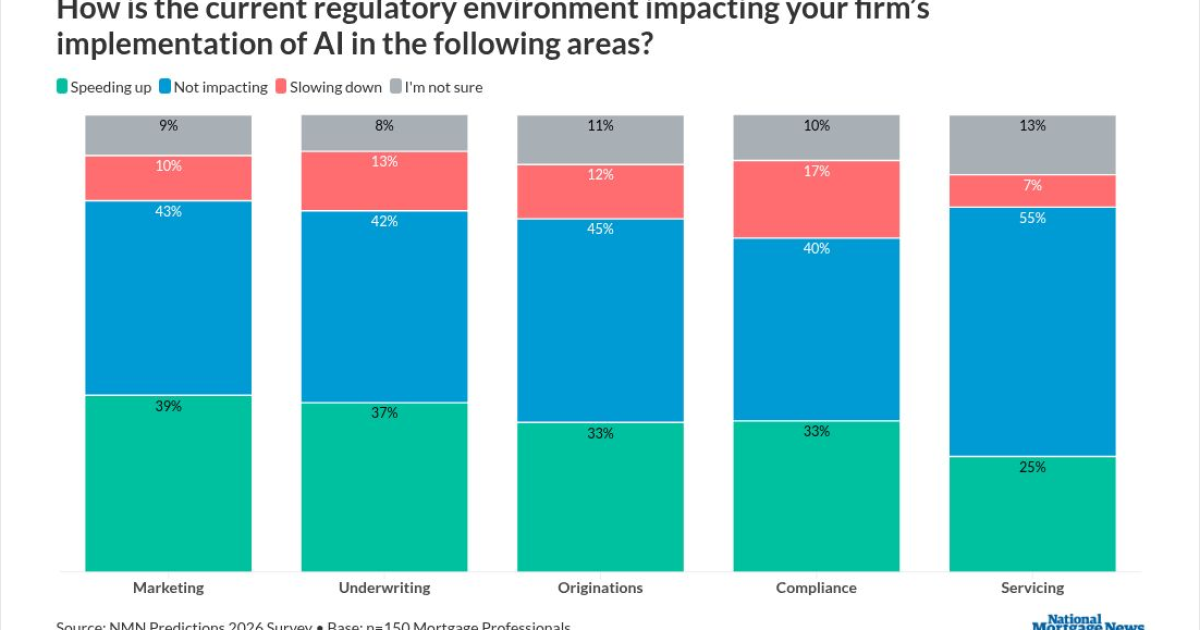
Artificial intelligence is finally stepping into the mortgage underwriting spotlight, with 57% of mortgage professionals predicting it will drive the most transformative industry shift in 2026. Thanks to major advancements in language models and workflow automation, AI is now capable of navigating the messy, document-heavy realities that have long slowed underwriting. From faster preapprovals to improved credit analysis and real‑time income verification, AI is streamlining processes while allowing underwriters to focus on true risk management. As regulatory winds shift and grassroots pressure builds within lending teams, the industry is entering a pivotal era where AI‑powered underwriting becomes not just an advantage — but an expectation.
Portland’s top 20 office towers have lost an unprecedented 70% of their value since 2019—plunging from $3 billion to under $1 billion—triggering tax revenue shortfalls, budget crises, and a surge in appeals as the city grapples with its biggest commercial real estate reset in modern history.
South Florida’s luxury real estate market just raised the bar again — this time with a $1 million virtual reality system that lets buyers walk through Dolce & Gabbana’s upcoming Miami tower long before construction wraps. Real estate master’s students were given an immersive look inside the project, discovering how VR is transforming high‑end development, influencing buyer psychology, and shaping the future skills today’s professionals need.
Long Island’s commercial real estate scene is kicking off 2026 with a surge of activity—industrial leases in Medford, neighborhood retail trades in Bohemia, Pizza Hut’s new DELCO expansion in Centereach, mixed‑use acquisitions in Melville, and major investor interest in bank‑leased and franchise-backed properties. From warehouses to restaurant rebrands, these deals highlight a region evolving fast and offering fresh opportunities for agents, investors, and professionals looking to stay ahead in the market.

:max_bytes(150000):strip_icc()/privatization.asp-final-6d784cb82a86413b99c892a8618f2e75.jpg "Understanding Privatization: Process, Benefits, And Real-World Examples 2")