Understanding Privatization: Process, Benefits, and Real-World Examples
In the ever-evolving landscape of global economics, privatization stands as a pivotal mechanism reshaping the ownership of government-operated businesses, properties, and operations, transferring them into the hands of private entities. This transformation is not just a trend but a significant shift aimed at enhancing efficiency and profitability, as eloquently detailed in an Investopedia article published three weeks ago.
Privatization is a multifaceted process, often involving the transition of a publicly traded company into a privately held entity. This shift, known as corporate privatization, is designed to reduce bureaucratic overhead and increase operational efficiency by leveraging the motivations and skills inherent in the private sector.
Understanding the Privatization Process
The privatization journey is diverse, encompassing various methods by which governments transfer ownership of specific facilities or business processes to private, for-profit companies. The intention is clear: to save money and boost efficiency, a theme resonant across economies with distinct public and private sectors.
In the United States, the public sector includes entities like the U.S. Postal Service and public schools, while the private sector thrives in areas like consumer goods, finance, and technology. The delineation between these sectors underscores the strategic importance of privatization.
Public-to-Private vs. Corporate Privatization
Corporate privatization allows companies to restructure without the stringent oversight imposed on publicly listed entities. This flexibility is appealing when leadership seeks to implement changes that could negatively impact shareholders. A case in point is Dell Inc., which transitioned from public to private in 2013, only to revert to public status in 2018.
Pros and Cons of Privatization
Proponents of privatization argue that private companies are inherently more efficient and cost-effective, driven by a profit motive absent in government-run operations. However, critics caution against exposing essential services like electricity and water to market forces, advocating for public sector management to ensure equitable access.
Real-World Examples
Washington State’s 2012 decision to privatize liquor sales exemplifies the tangible impact of privatization. By enabling private entities like Costco and Walmart to sell liquor, the state relinquished control and revenue from these sales, illustrating a shift toward market-driven operations.
Similarly, the collapse of the Soviet Union marked a monumental shift from communism to privatization, leading to the concentration of wealth among a few wealthy Russians and highlighting the complex socio-economic ramifications of such transitions.
The Bottom Line
Privatization remains a powerful tool in the arsenal of economic strategies, capable of transforming government services and publicly traded companies alike. While it promises efficiency and profitability, the broader implications on society and market dynamics warrant careful consideration.
“`
More Articles
Getting licensed or staying ahead in your career can be a journey—but it doesn’t have to be overwhelming. Grab your favorite coffee or tea, take a moment to relax, and browse through our articles. Whether you’re just starting out or renewing your expertise, we’ve got tips, insights, and advice to keep you moving forward. Here’s to your success—one sip and one step at a time!
A growing share of American homeowners now carry mortgage rates above 5%—a dramatic shift that’s reshaping refinancing, inventory, and buyer behavior nationwide. With more than 30% of borrowers locked into rates over 5% and 20% above 6%, the market is split between owners holding on to low pandemic‑era loans and new buyers taking on higher‑rate mortgages. Federal efforts to push rates down could unlock millions of refinancing opportunities, while buyers see only modest monthly savings. For real estate professionals, understanding these rate dynamics is crucial as they increasingly drive inventory levels, affordability, and market activity.
New Moody’s data shows commercial real estate deal volume slipped 20% in December, marking a second monthly decline. Yet the full year tells a different story: 2025 ended with a 17% gain, signaling a quiet but resilient recovery. The biggest surprise came from the office sector, which posted a 21% jump in activity as return‑to‑office trends and AI‑driven job growth boosted demand. Multifamily, retail, and alternative assets like data centers also saw strong momentum, giving real estate professionals a market full of fresh opportunities heading into 2026.
Florida drivers and industry professionals are heading into 2026 with good news: auto insurance rates are dropping across the state as the market shows strong signs of stabilization. USAA leads the latest wave with a 7% average rate decrease expected in May 2026, saving members more than $125 million annually. They join several major insurers — including State Farm, Progressive, AAA, Allstate, and Florida Farm Bureau — all approving significant reductions. Officials credit recent legislative reforms, especially tort reform, for the improved loss ratios and renewed insurer confidence. With both auto and home insurance markets strengthening, Florida’s real estate, mortgage, and insurance professionals can expect more consumer confidence, smoother transactions, and expanding career opportunities.
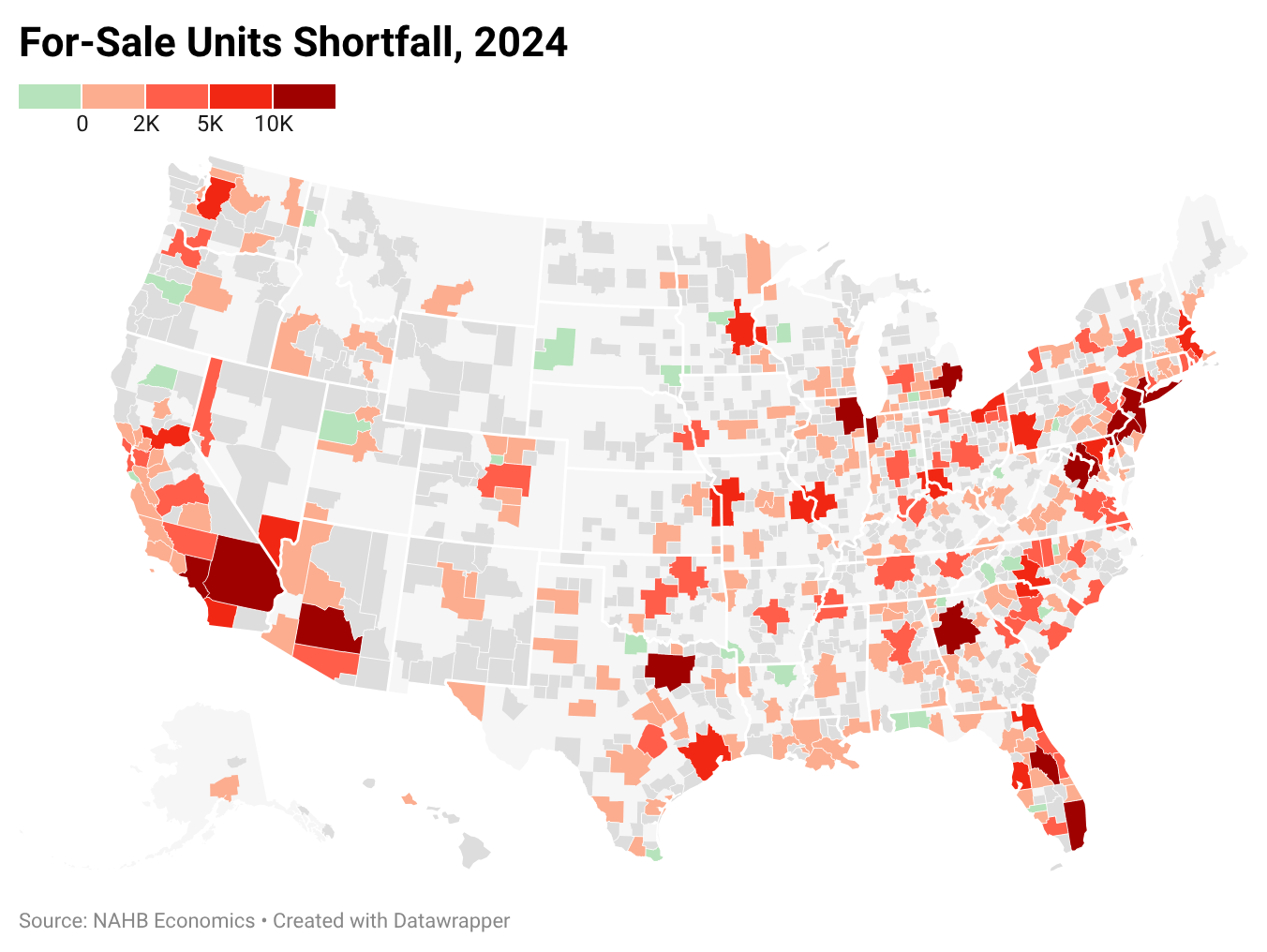
New data from Eye On Housing and the NAHB shows the U.S. remains short more than 1.2 million housing units, keeping pressure on both rents and home prices. Record‑low vacancy rates, slow single‑family construction, and restrictive zoning continue to fuel intense competition in 2024. Major metros like Chicago, New York, and Atlanta face some of the deepest deficits, and the true nationwide shortfall may be even higher when accounting for overcrowding and aging homes. For real estate professionals, the ongoing shortage means sustained demand, tighter inventory, and major opportunities for those who understand the evolving market.
Top real estate coach Jason Pantana says the divide between agents today isn’t about who has “tried” AI — it’s about who is immersed in it. In a new HousingWire interview, he explains why AI isn’t a gimmick but a full business system that amplifies output, improves authenticity, and reshapes how clients search for agents. From prompt mastery to AI‑driven visibility on Google, Pantana reveals how agents who commit even 15 minutes a day to learning AI are already outperforming those who hesitate.
Dallas–Fort Worth’s commercial real estate market closed 2025 with a split personality. Industrial dominated with massive new deliveries and soaring leasing demand, retail held steady with some of the market’s strongest fundamentals in years, and office continued to falter under remote‑work pressures. High vacancies, weak absorption, and rising demand for top‑tier space show the sector’s ongoing reset. Meanwhile, industrial and retail strength position the Metroplex for another powerhouse year heading into 2026.

:max_bytes(150000):strip_icc()/privatization.asp-final-6d784cb82a86413b99c892a8618f2e75.jpg "Understanding Privatization: Process, Benefits, And Real-World Examples 2")