“`html

Understanding Privatization: Process, Benefits, and Real-World Examples

In the ever-evolving landscape of global economics, privatization stands as a pivotal mechanism reshaping the ownership of government-operated businesses, properties, and operations, transferring them into the hands of private entities. This transformation is not just a trend but a significant shift aimed at enhancing efficiency and profitability, as eloquently detailed in an Investopedia article published three weeks ago.

Privatization is a multifaceted process, often involving the transition of a publicly traded company into a privately held entity. This shift, known as corporate privatization, is designed to reduce bureaucratic overhead and increase operational efficiency by leveraging the motivations and skills inherent in the private sector.

Understanding the Privatization Process

The privatization journey is diverse, encompassing various methods by which governments transfer ownership of specific facilities or business processes to private, for-profit companies. The intention is clear: to save money and boost efficiency, a theme resonant across economies with distinct public and private sectors.

In the United States, the public sector includes entities like the U.S. Postal Service and public schools, while the private sector thrives in areas like consumer goods, finance, and technology. The delineation between these sectors underscores the strategic importance of privatization.

Public-to-Private vs. Corporate Privatization

Corporate privatization allows companies to restructure without the stringent oversight imposed on publicly listed entities. This flexibility is appealing when leadership seeks to implement changes that could negatively impact shareholders. A case in point is Dell Inc., which transitioned from public to private in 2013, only to revert to public status in 2018.

Pros and Cons of Privatization

Proponents of privatization argue that private companies are inherently more efficient and cost-effective, driven by a profit motive absent in government-run operations. However, critics caution against exposing essential services like electricity and water to market forces, advocating for public sector management to ensure equitable access.

Real-World Examples

Washington State’s 2012 decision to privatize liquor sales exemplifies the tangible impact of privatization. By enabling private entities like Costco and Walmart to sell liquor, the state relinquished control and revenue from these sales, illustrating a shift toward market-driven operations.

Similarly, the collapse of the Soviet Union marked a monumental shift from communism to privatization, leading to the concentration of wealth among a few wealthy Russians and highlighting the complex socio-economic ramifications of such transitions.

Privatization image

The Bottom Line

Privatization remains a powerful tool in the arsenal of economic strategies, capable of transforming government services and publicly traded companies alike. While it promises efficiency and profitability, the broader implications on society and market dynamics warrant careful consideration.

“`

More Articles

Getting licensed or staying ahead in your career can be a journey—but it doesn’t have to be overwhelming. Grab your favorite coffee or tea, take a moment to relax, and browse through our articles. Whether you’re just starting out or renewing your expertise, we’ve got tips, insights, and advice to keep you moving forward. Here’s to your success—one sip and one step at a time!

Qubetics Presale Triumph and Digital Finance Innovations

As the digital finance landscape evolves, Qubetics emerges as a formidable player, captivating the crypto community with its impressive presale success.

By |October 15, 2024|Categories: Article, Cryptocurrency, Finance|Tags: , |0 Comments

Investing Like Trump: A Modern Approach to Wealth Building

In the world of high-stakes investing, few figures are as iconic as Donald Trump. Known for his real estate empire and ventures into entertainment, Trump has built a legacy of wealth that many aspire to emulate. But in today's economic climate, with interest rates soaring, how can one invest like Trump?

By |October 15, 2024|Categories: Article, Finance, Real Estate Investing|Tags: , |0 Comments

The Federal Reserve’s Rate Cut: Implications for the Housing Market

The Federal Reserve recently announced a significant interest rate cut by half a percentage point. The expectation is that mortgage rates might hover around 6.2% by year-end, with a potential decrease to 5.5% by the end of 2025.

By |October 15, 2024|Categories: Article, Housing Market, Interest Rates|Tags: |0 Comments

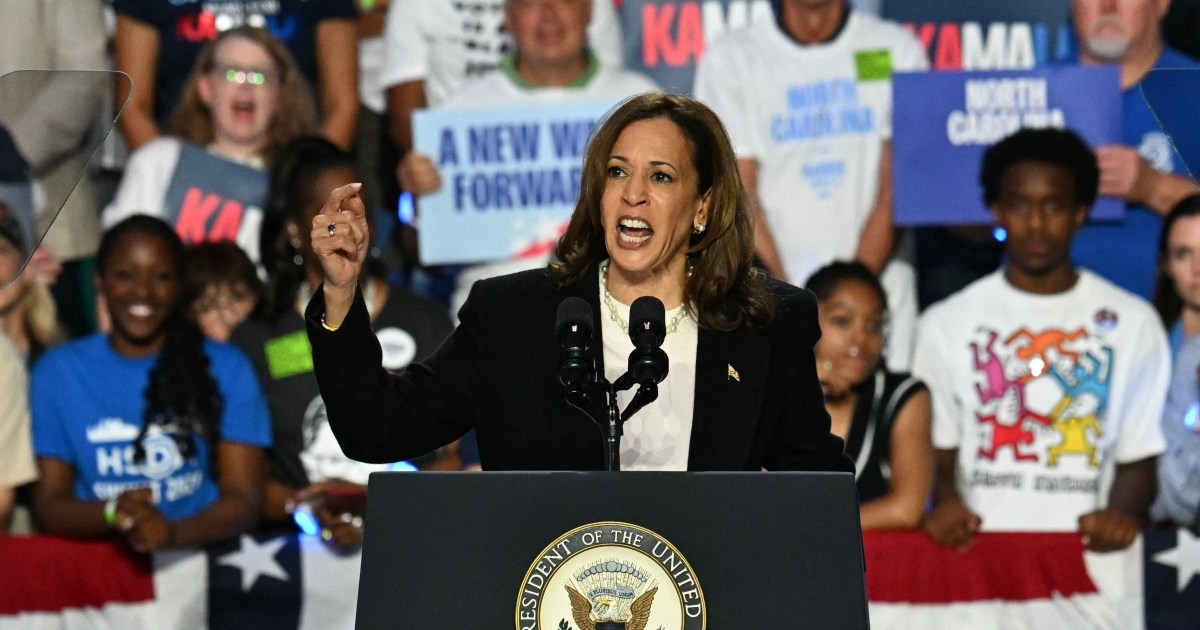
Kamala Harris Challenges Trump’s Business History with Small Business Tax Deduction Proposal

Harris unveiled her proposal for a $50,000 tax deduction aimed at small business startups. She then took a direct jab at Trump, asserting, “You know, not everybody started out with $400m on a silver platter and then filed for bankruptcy six times.”

By |October 15, 2024|Categories: Article, Business, Politics|Tags: |0 Comments

Understanding the 2008 Housing Market Crash: A Retrospective

The housing market crash of 2008 reshaped the global economy, triggered by subprime mortgages, predatory lending, and lack of financial regulation, leading to a global economic recession.

By |October 15, 2024|Categories: Article, Economics, Real Estate|Tags: , |0 Comments

Evolving Dynamics in the Housing Market: What Homebuyers Need to Know

"While the current market offers opportunities, it is also fraught with complexities. Navigating this landscape requires careful consideration and informed decision-making to ensure that both buyers and sellers can achieve their real estate goals."


By |October 15, 2024|Categories: Article, Housing Market Trends, Real Estate|Tags: , |0 Comments