Understanding the Growing Importance of Cyber Insurance

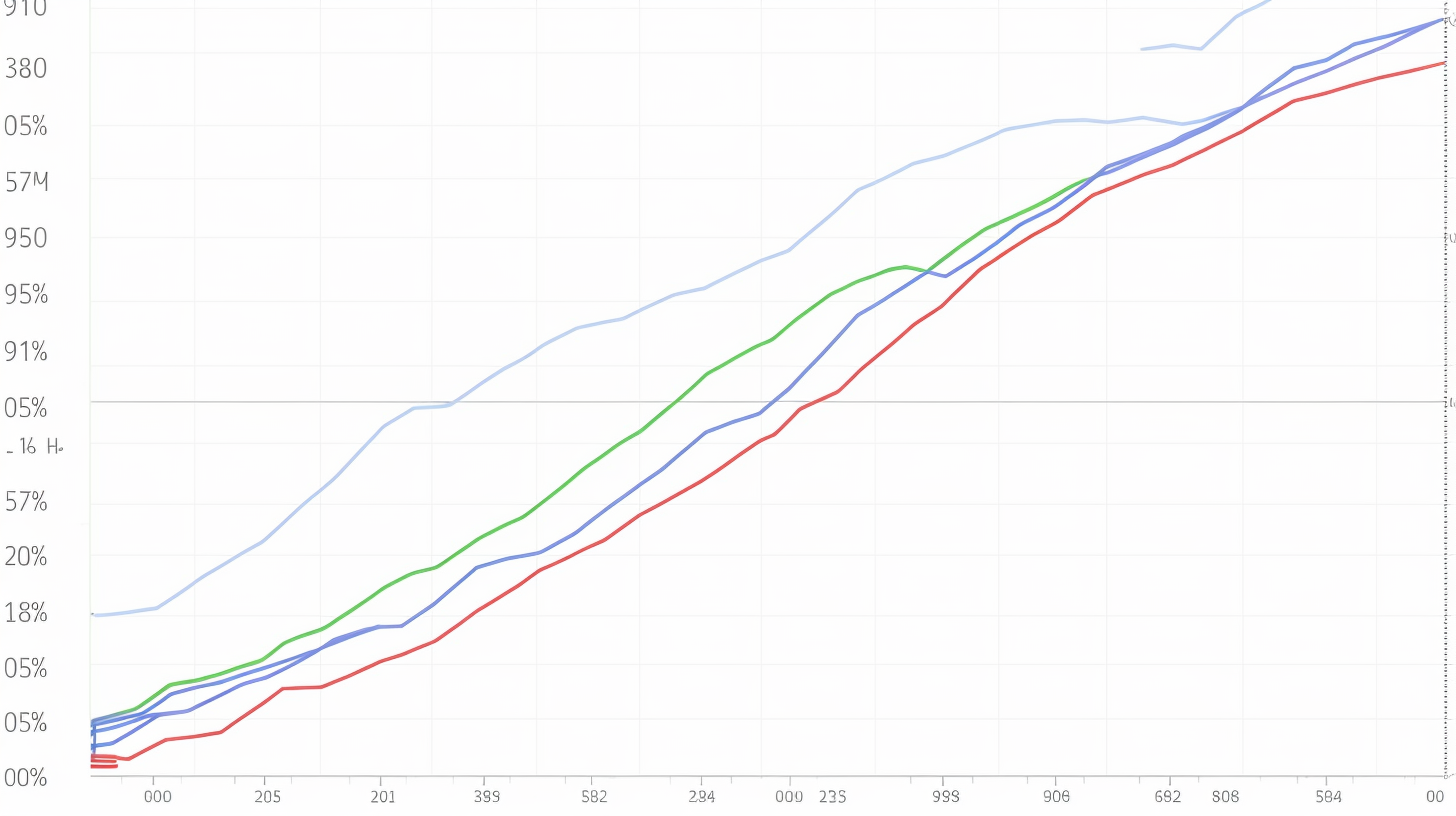
In today’s digital landscape, cyber insurance has emerged as a critical component of a modern security strategy. With cyber incidents on the rise and associated business costs soaring, many experts view it as indispensable. The global cyber insurance market is projected to reach a staggering $90.6 billion by 2033, underscoring its escalating relevance.

Cyber insurance growth

Challenges in Current Cyber Insurance Policies

Despite its necessity, many organizations find that their cyber insurance policies are not working effectively. According to a 2023 Delinea report, there is a growing disconnect between carriers and enterprises, leading to numerous claims being rejected. This issue is particularly prevalent among small businesses, which face an increase in cyberattacks yet often remain uncertain about their coverage details.

A striking example comes from a 2022 report by the UK’s Federation of Small Businesses, revealing that 38% of its members with cyber insurance do not know what their policy includes. Furthermore, a recent study by Aviva found that only 17% of small businesses have cyber insurance, illustrating the widespread skepticism and lack of adoption in the sector.

Barriers to Effective Coverage

One of the primary barriers to effective cyber insurance coverage is the complexity and ambiguity of policy terms. Tarnveer Singh, CISO of The Exeter, highlighted that this can lead to disputes and delays during cyber incidents, exacerbating stress and financial strain for policyholders. The evolving nature of cyber threats adds another layer of complexity, often resulting in inadequate or overpriced policies.

Additionally, the growing cost of premiums, projected to increase by 25-30% annually until 2025 by S&P Global Ratings, further complicates matters for small and medium-sized enterprises (SMEs).

Enhancing Cyber Insurance Effectiveness

To make cyber insurance more effective, insurers must offer customizable policies tailored to the specific needs of businesses. Amar Patel, a CISO in financial services, emphasized the importance of innovating product development to align with the evolving cyber threat landscape. This approach can provide more relevant insurance products and encourage broader adoption among SMEs.

Insurers should also improve transparency in policy terms and streamline the claims process, making it more accessible and efficient for businesses. This includes simplifying documentation requirements and establishing clear communication channels to expedite claim assessments and settlements.

Future Directions for Cyber Insurance

Looking to the future, cyber insurers are advised to consider providing holistic risk management services to enhance their offerings. These services could include cybersecurity assessments, incident response planning, and employee training, helping organizations proactively manage cyber risks.

Moreover, collaboration with the cybersecurity industry is crucial. By building closer relationships, insurers can gain insights into the evolving threat landscape and refine their risk assessment models. This partnership can lead to the development of joint frameworks for cyber risk assessment, standardizing and streamlining the process.

Conclusion

Cyber insurance is an essential part of modern cybersecurity strategies, but it remains a relatively young sector with room for growth. Addressing the challenges in policy application and fostering collaboration with the cybersecurity industry will be key to enhancing its effectiveness and adoption in the coming years.


More Articles

Getting licensed or staying ahead in your career can be a journey—but it doesn’t have to be overwhelming. Grab your favorite coffee or tea, take a moment to relax, and browse through our articles. Whether you’re just starting out or renewing your expertise, we’ve got tips, insights, and advice to keep you moving forward. Here’s to your success—one sip and one step at a time!

Free Annual Florida Real Estate Sales Associate 63-Hour Pre-License Course Livestream: A Gateway to Your Real Estate Career

Cameron Academy is thrilled to offer the Free Annual Florida Real Estate Sales Associate 63-Hour Pre-License Course Livestream. This exclusive event is an opportunity for aspiring real estate professionals to gain expert instruction, access a comprehensive curriculum, and connect with a network of professionals in the industry. The course will be livestreamed from December 04-15, 2023, allowing you to participate from the comfort of your own home or office. Register now to secure your spot in this highly sought-after course. Spaces are limited, so early registration is highly recommended. Take the first step towards your real estate career today!

New President of Franchise Operations Welcomed at Coldwell Banker

Coldwell Banker, a renowned real estate brand, has recently appointed Jason Waugh as the new president of Coldwell Banker Affiliates. In his new role, Waugh will be responsible for overseeing the brand's strategy, operations, and sales for its growing network of franchises. This appointment comes as Coldwell Banker aims to further strengthen its position in the real estate market. With an impressive background in the industry, Waugh brings a wealth of experience to his new position. Previously associated with Berkshire Hathaway HomeServices and Berkshire Hathaway Home Services Real Estate Professionals for 18 years, Waugh's expertise and leadership qualities make him an ideal fit for this role.

2024 Conforming Loan Limits Raised by UWM: Insights for Homebuyers and the Housing Market

United Wholesale Mortgage (UWM), the country's leading lender, has increased its agency conforming loan limits to $750,000. This move, ahead of the Federal Housing Finance Agency's expected decision, applies to conventional and VA loans locked from October 11. The decision offers borrowers greater flexibility and access to larger loan amounts, with the benefits of conforming loans. These loans meet the guidelines set by government-sponsored enterprises like Fannie Mae and Freddie Mac, offering lower interest rates and more favorable terms compared to non-conforming or jumbo loans.

By |October 14, 2023|Categories: Mortgage Industry|Tags: |0 Comments

Cost-Cutting Strategy at PNC Bank Leads to Staff Layoffs

PNC Bank has implemented a cost-cutting strategy, leading to layoffs and a shift in focus towards expense management and strategic priorities. The bank aims to streamline operations, improve efficiency, and reallocate resources to align with long-term goals. Despite the layoffs, PNC Bank is committed to supporting affected employees during the transition period. Learn more about PNC Bank's strategy and its impact on the industry at Cameron Academy, a leading career education school.

By |October 13, 2023|Categories: Banking Industry|Tags: |0 Comments

GSE Loan Buybacks’ Effect on Lenders and the Mortgage Market

Government-sponsored enterprise (GSE) loan buybacks have emerged as a significant issue for lenders in the mortgage market. The sudden increase in buybacks from entities like Fannie Mae and Freddie Mac is causing financial and operational strain among lenders. The rise in loan buybacks is largely due to stricter underwriting guidelines enforced by these GSEs. The impact of these buybacks is significant and far-reaching. Lenders not only face financial losses from repurchasing loans, but they also encounter operational challenges. The surge in loan buybacks has created uncertainty in the mortgage market, potentially slowing down the housing market. In response to the challenges posed by loan buybacks, lenders are implementing stricter underwriting practices and enhancing their quality control processes.

By |October 13, 2023|Categories: Mortgage Market|Tags: |0 Comments

An Unexpected Slowdown in Housing Inventory Growth Amid Rising Mortgage Rates

The housing market is currently witnessing an unusual trend - a deceleration in the growth of housing inventory, despite the rise in mortgage rates. This unexpected development has triggered concerns among potential buyers and industry experts. With mortgage rates climbing from their historic lows, the number of homes available for sale remains surprisingly stagnant. We investigate the factors contributing to this unexpected stagnation in inventory growth and examine the implications of rising mortgage rates, limited new listings, and an increase in price cuts. We also consider the impact of external elements such as labor reports and geopolitical risks on the housing market.