Understanding the Legal and Ethical Challenges AI Poses in Oncology

The field of oncology is undergoing a transformation, driven by the rapid integration of artificial intelligence (AI) technology. These advancements promise unprecedented improvements in cancer detection, personalized treatment strategies, and patient support. However, as the integration of AI into oncology progresses, a myriad of legal and ethical challenges emerges.

AI in Diagnosis and Treatment AI tools have been instrumental in enhancing the analysis of medical imaging data, such as MRI scans, CT scans, and mammograms. These algorithms are adept at identifying subtle patterns that might elude human observation, potentially leading to faster and more accurate cancer detection. AI also plays a crucial role in treatment delivery and decision-making, particularly in radiation therapy and immunotherapy regimen design.

Yet, the use of AI in diagnosis raises significant legal questions. Traditionally, human physicians are not held strictly liable for incorrect diagnoses or treatments if their conduct meets the standard of care. However, defining a legal standard for AI-related errors remains uncertain. Some propose a strict liability standard, holding manufacturers accountable for defects without needing to prove fault, while others suggest alternative product liability standards.

Ai in oncology Legal Standards and Liability The complexity of applying legal standards to AI tools is compounded by their evolving nature. AI algorithms often change as they process more data, challenging traditional product liability frameworks. Different jurisdictions are adopting varied approaches to liability, with the European Commission discussing a proposed AI Liability Directive for high-risk AI systems.

Patient Counseling and Ethical Considerations Beyond diagnostics, AI is also being explored for patient counseling. Studies have evaluated the use of AI chatbots for cancer-related inquiries, with mixed results. While these chatbots can provide helpful information, they are not yet fully ready for patient-facing roles. A recent study found that AI chatbots were as effective as human counselors in educating breast cancer patients about genetic dimensions, suggesting potential in freeing up human resources for more intensive counseling.

However, using AI in patient counseling introduces critical ethical issues, particularly regarding data security and informed consent. Patients must be aware they are receiving advice from an AI system, and there must be safeguards against harmful advice.

Future Directions and Challenges The integration of AI into oncology presents long-term challenges, including ensuring that AI enhances rather than diminishes professional skills. Oncology professionals must be trained to effectively use AI tools, much like adapting to electronic medical records in previous eras.

In conclusion, while AI offers promising advancements in oncology, its legal and ethical implications are evolving and uncertain. Understanding these complexities is crucial to ensuring that AI serves as a tool to augment human expertise and improve patient outcomes. For more details, refer to the original article on The ASCO Post.

More Articles

Getting licensed or staying ahead in your career can be a journey—but it doesn’t have to be overwhelming. Grab your favorite coffee or tea, take a moment to relax, and browse through our articles. Whether you’re just starting out or renewing your expertise, we’ve got tips, insights, and advice to keep you moving forward. Here’s to your success—one sip and one step at a time!

Qubetics Presale Triumph and Digital Finance Innovations

As the digital finance landscape evolves, Qubetics emerges as a formidable player, captivating the crypto community with its impressive presale success.

By |October 15, 2024|Categories: Article, Cryptocurrency, Finance|Tags: , |0 Comments

Investing Like Trump: A Modern Approach to Wealth Building

In the world of high-stakes investing, few figures are as iconic as Donald Trump. Known for his real estate empire and ventures into entertainment, Trump has built a legacy of wealth that many aspire to emulate. But in today's economic climate, with interest rates soaring, how can one invest like Trump?

By |October 15, 2024|Categories: Article, Finance, Real Estate Investing|Tags: , |0 Comments

The Federal Reserve’s Rate Cut: Implications for the Housing Market

The Federal Reserve recently announced a significant interest rate cut by half a percentage point. The expectation is that mortgage rates might hover around 6.2% by year-end, with a potential decrease to 5.5% by the end of 2025.

By |October 15, 2024|Categories: Article, Housing Market, Interest Rates|Tags: |0 Comments

Kamala Harris Challenges Trump’s Business History with Small Business Tax Deduction Proposal

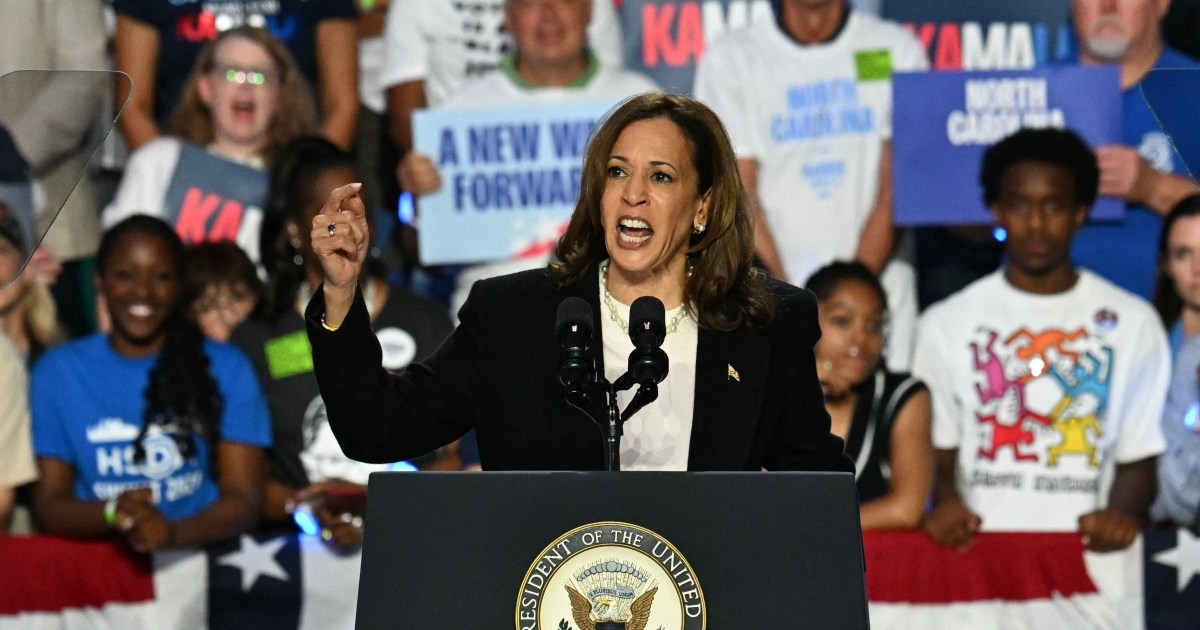
Harris unveiled her proposal for a $50,000 tax deduction aimed at small business startups. She then took a direct jab at Trump, asserting, “You know, not everybody started out with $400m on a silver platter and then filed for bankruptcy six times.”

By |October 15, 2024|Categories: Article, Business, Politics|Tags: |0 Comments

Understanding the 2008 Housing Market Crash: A Retrospective

The housing market crash of 2008 reshaped the global economy, triggered by subprime mortgages, predatory lending, and lack of financial regulation, leading to a global economic recession.

By |October 15, 2024|Categories: Article, Economics, Real Estate|Tags: , |0 Comments

Evolving Dynamics in the Housing Market: What Homebuyers Need to Know

"While the current market offers opportunities, it is also fraught with complexities. Navigating this landscape requires careful consideration and informed decision-making to ensure that both buyers and sellers can achieve their real estate goals."

By |October 15, 2024|Categories: Article, Housing Market Trends, Real Estate|Tags: , |0 Comments