Unlocking the Door to Your Dream Home: A Comprehensive Guide to Affording a $700,000 House
Demystifying the Financial Aspects of Homeownership
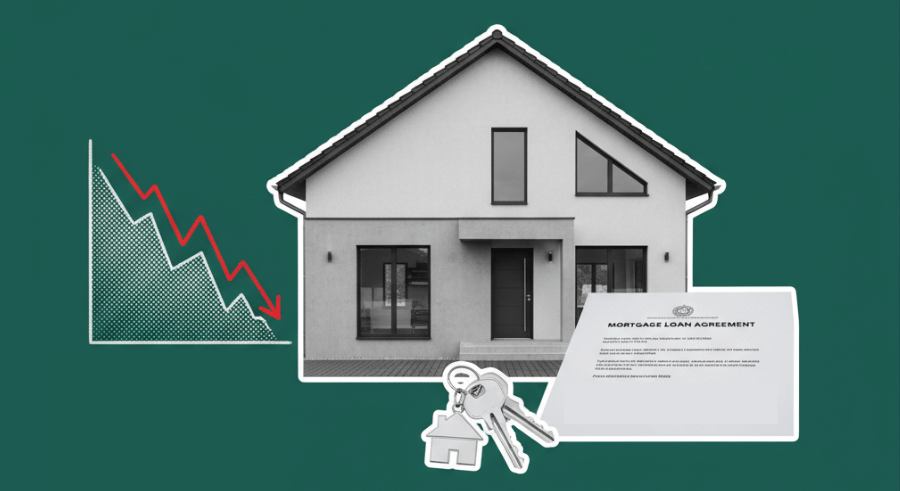
Stepping into homeownership is a significant financial milestone, especially when you’re setting your sights on a $700,000 property. This comprehensive guide will demystify the financial aspects of homeownership, breaking down the income requirements, the mortgage process, and the additional costs involved. Whether you’re a first-time homebuyer or looking to upgrade your current home, this article will equip you with valuable insights to navigate your journey towards owning your dream home.
The 28/36 Rule: Your Financial Compass
To chart your course towards homeownership, it’s crucial to understand the 28/36 rule. This financial principle suggests that no more than 28% of your total monthly income should be allocated towards your monthly housing costs, and no more than 36% should be dedicated to overall debt payments. Adhering to this guideline ensures a healthy balance between your housing expenses and other financial commitments, paving the way for a secure financial future.

Breaking Down the Numbers: A Case Study on Affordability
To better grasp the financial implications of affording a $700,000 house, let’s delve into the numbers. Assuming a 30-year fixed mortgage, a 20% down payment, and an interest rate of 6.5%, the monthly principal and interest payment would amount to $3,539. Once you factor in property taxes, homeowners insurance, and potential HOA fees, the total annual housing bill would be approximately $50,400. To comfortably shoulder this cost, the minimum salary required would be around $151,200.
Looking Beyond the Mortgage: Other Financial Considerations
While the mortgage payment forms a significant chunk of homeownership costs, there are other financial elements to consider. These include property taxes, insurance premiums, and potential HOA fees. It’s essential to factor in these expenses to get a complete picture of the ongoing costs of owning a home.
- Property taxes: Property taxes can vary significantly depending on the location of the house. Conduct thorough research on the average property tax rates in your desired area to estimate this cost accurately.
- Insurance premiums: Homeowners insurance is a crucial safety net that protects your investment and provides coverage in case of unforeseen events. Obtain quotes from different insurance providers to find the most competitive rates.
- HOA fees: If you’re eyeing a property in a planned community or a condominium, you may be subject to monthly HOA fees. These fees contribute to the maintenance and upkeep of shared amenities and common areas.
By accounting for these additional expenses, you can make a more informed decision about the affordability of a $700,000 house.

Location, Location, Location: Regional Variations in Housing Affordability
Housing affordability isn’t a one-size-fits-all concept—it varies across different regions. Factors such as median income, cost of living, and local real estate market conditions can significantly impact the affordability of a $700,000 house. Conduct thorough research on the housing market in your desired area to gain a better understanding of the financial implications.
Factors Affecting Housing Affordability: What to Consider
Several factors come into play when determining how much house you can afford. These include:
- Down payment: A larger down payment can lower your monthly mortgage payment and increase your chances of loan approval.
- Loan-to-value ratio: The loan-to-value ratio is the percentage of the property’s value that you’re borrowing. A lower ratio can result in better loan terms.
- Mortgage rate: The interest rate on your mortgage directly affects your monthly payment. Shopping around for the best rates can save you thousands of dollars over the life of the loan.
- Credit score: A higher credit score can help you qualify for lower interest rates and better loan terms. Make efforts to improve your credit score before applying for a mortgage.
- Debt-to-income ratio: Lenders consider your debt-to-income ratio when evaluating your loan application. Keeping your debt levels low in relation to your income can increase your chances of loan approval.
- Financing options: Explore different financing options, such as FHA loans or VA loans, to find the best fit for your financial situation.
Considering these factors and working with a knowledgeable real estate agent can help you make informed decisions and maximize your housing affordability.

Securing Your Financial Future: Tips for Maintaining Financial Stability
To ensure a smooth home buying process and long-term financial stability, consider the following tips:
- Avoid taking on new debts: Minimize your financial obligations by refraining from taking on new debts or making major purchases before buying a house.
- Improve your credit score: A higher credit score can qualify you for better loan terms. Pay your bills on time, reduce your credit card balances, and avoid new credit applications.
- Save for a down payment: Start saving early for a down payment to increase your options and potentially lower your monthly mortgage payment.
- Work with a knowledgeable real estate agent: A professional real estate agent can guide you through the home buying process, negotiate on your behalf, and provide valuable insights.
By following these tips, you can set yourself up for financial success and make the most of your home buying journey.
Conclusion: Making Informed Decisions for a Brighter Future
In conclusion, affording a $700,000 house is a substantial financial undertaking that requires careful planning and consideration. By understanding the 28/36 rule, calculating affordability, factoring in additional costs, and considering regional variations, you can make informed decisions about homeownership. Remember to take into account factors such as down payment, loan-to-value ratio, mortgage rate, credit score, debt-to-income ratio, and financing options. Maintain financial stability throughout the process and seek guidance from professionals in the real estate industry. With the right approach, you can unlock the door to your dream home and turn your vision of owning a $700,000 house into a reality.
For more information and guidance on real estate education and career opportunities, check out the courses offered by Cameron Academy. Our online courses provide the flexibility and support you need to excel in the real estate industry. Sign up today and take the first step towards achieving the career success you deserve!
Ready to Take the Next Step in Your Real Estate Journey?
Explore Cameron Academy’s online real estate courses and gain the knowledge and skills needed to succeed in the industry. Our courses are designed to fit your busy schedule and provide you with the tools to thrive in the competitive real estate market.
Sign up today and unlock your potential in the real estate industry!
Embark on Your Real Estate Journey Today
Visit Cameron Academy’s website to browse our wide range of real estate courses and start your journey towards a successful career in the industry.
Explore Courses