Transforming Boston’s Schools: A Simple Yet Powerful Idea
On a bright spring morning at John Hay Community Academy in Chicago, a scene unfolds that could hold the key to transforming Boston’s public schools. Three first-graders, Faye, Ka’mari, and A’Kyng, are eagerly participating in a high-dosage tutoring session. This method, which involves intensive, individualized instruction, has shown remarkable promise in improving academic performance.
Just across the hall, Felicia Mason, a dedicated member of the school district’s Tutor Corps, is guiding her young charges through a series of words. With each correct pronunciation, the children’s excitement grows—a testament to the effectiveness of this educational intervention.
High-dosage tutoring is not just another educational fad; it is backed by extensive research. Studies have demonstrated that this approach can significantly enhance learning outcomes, often outperforming other popular strategies like extended school days or summer programs. In fact, a pair of randomized control trials conducted in Chicago a decade ago found that high-dosage tutoring doubled or tripled the learning of low-income Black and Latino high school students.
The COVID-19 pandemic provided a unique opportunity to test the scalability of this intervention. With federal funding pouring into academic recovery, districts across the country, including Boston, were encouraged to adopt evidence-based strategies like high-dosage tutoring. While some states and districts have embraced this approach, Boston has yet to make it a priority.
The Boston Connection
Interestingly, Boston is the birthplace of the high-dosage tutoring movement. Match Charter Public High School, which opened at the turn of the century, pioneered this approach. By employing a “Match Corps” of live-in tutors, the school transformed its student body into one of the highest achieving in the state.
Despite its origins, Boston has not fully embraced high-dosage tutoring in its public schools. The city has experimented with the intervention in a small number of schools, but it has not been prioritized. With a wealth of underutilized school buildings and a rich philanthropic infrastructure, Boston is well-positioned to implement a robust high-dosage tutoring program.
The Boston Globe editorial board argues that Boston should seriously consider investing in high-quality, high-dosage tutoring. The potential benefits are immense—not only in terms of academic achievement but also in addressing long-standing achievement gaps between white students and students of color.
Scaling Up
Scaling up high-dosage tutoring presents challenges, particularly in terms of cost and labor. However, innovative solutions, such as remote and hybrid tutoring models, offer promising pathways to expand these programs. By leveraging technology, districts can tap into a wider pool of qualified tutors, thereby reducing costs and increasing reach.
In Chicago, for example, the district has partnered with Saga Education to implement a hybrid tutoring model. This approach combines self-guided computer lessons with live, remote tutoring sessions, allowing more students to benefit from high-dosage tutoring.
As Boston considers its educational future, it would do well to learn from these examples. By investing in high-dosage tutoring, the city can provide its students with the best learning conditions possible. The potential for transformative change is within reach—Boston just needs to take the leap.
More Articles
Getting licensed or staying ahead in your career can be a journey—but it doesn’t have to be overwhelming. Grab your favorite coffee or tea, take a moment to relax, and browse through our articles. Whether you’re just starting out or renewing your expertise, we’ve got tips, insights, and advice to keep you moving forward. Here’s to your success—one sip and one step at a time!
A federal judge has denied class‑certification in the high‑stakes Batton commission lawsuit, delivering a temporary win for NAR and major brokerages while leaving the door open for plaintiffs to try again. With as much as $3.6 billion in potential damages on the line and nearly 80% of the proposed class now disqualified due to conflicts with earlier settlements, the case stands at a pivotal moment. Real estate professionals nationwide — especially in Florida — should watch closely, as the ruling could shape the future of buyer‑agent compensation.
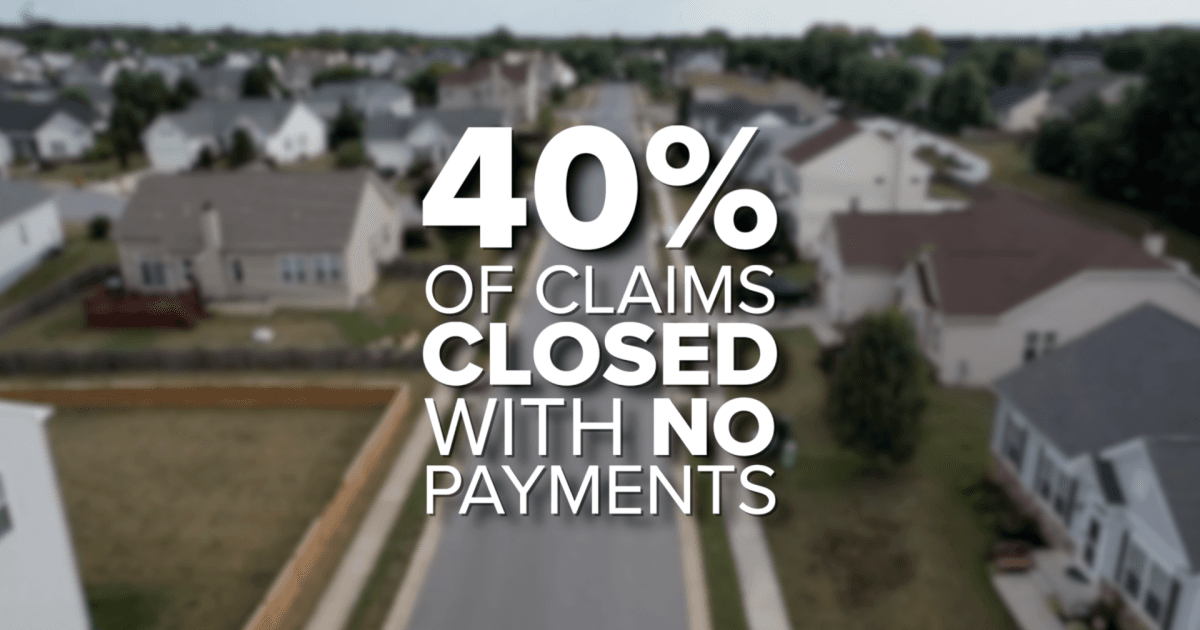
Florida homeowners are paying nearly double the national average for insurance, with premiums now reaching $5,838 a year and denied claims topping 40 percent. Residents report tripled rates, underpaid claims, and mounting financial strain, pushing lawmakers in Tallahassee to propose caps on rate hikes, tax breaks for storm‑proof upgrades, and tighter oversight of insurers. These developments are reshaping real estate and insurance conversations across the state as professionals brace for major industry shifts.
Berkshire County closed Q3 2025 with strong momentum as sales, dollar volume, and buyer competition all climbed year‑over‑year. Inventory showed slight improvement but remains far below demand, keeping the market tilted toward sellers. Single‑family homes and condos led the surge, while multifamily, land, and commercial sectors showed mixed performance. The region continues to stand out as one of New England’s most resilient real estate markets heading into 2026.
Florida homeowners now face the highest insurance burdens in the nation, with average premiums topping $5,800 per year—roughly $3,000 above the national average. As rates triple for some residents, more Floridians are skipping coverage altogether, while denied claims and slow payouts add to the frustration. With over 40 percent of claims closing with no payment and lawmakers battling over reform in Tallahassee, the crisis is reshaping budgets, homebuying decisions, and the real estate industry statewide.
Global capital is surging back into real estate—and this time, investors want more control. Colliers’ 2026 Global Investor Outlook reveals a major shift toward direct investments, joint ventures, and hands‑on strategies as money moves across North America, Europe, and the booming Asia‑Pacific markets. Data centers are now the top‑funded asset class, offices are staging a comeback, and adaptive reuse is reshaping cities worldwide. For real estate and finance professionals, the message is clear: opportunity is accelerating, and those with the right education and licensing will be at the center of the action.
The Fed’s recent rate cuts should have offered relief to commercial real estate—but long-term borrowing costs haven’t budged. While short‑term rates are falling, stubborn long‑term yields, broken deal math, and a trillion‑dollar refinancing wave are keeping the market frozen. For investors and professionals across Florida and the nation, understanding this disconnect is key to navigating the opportunities and risks emerging in today’s shifting CRE landscape.