Transforming Boston’s Schools: A Simple Yet Powerful Idea
On a bright spring morning at John Hay Community Academy in Chicago, a scene unfolds that could hold the key to transforming Boston’s public schools. Three first-graders, Faye, Ka’mari, and A’Kyng, are eagerly participating in a high-dosage tutoring session. This method, which involves intensive, individualized instruction, has shown remarkable promise in improving academic performance.
Just across the hall, Felicia Mason, a dedicated member of the school district’s Tutor Corps, is guiding her young charges through a series of words. With each correct pronunciation, the children’s excitement grows—a testament to the effectiveness of this educational intervention.
High-dosage tutoring is not just another educational fad; it is backed by extensive research. Studies have demonstrated that this approach can significantly enhance learning outcomes, often outperforming other popular strategies like extended school days or summer programs. In fact, a pair of randomized control trials conducted in Chicago a decade ago found that high-dosage tutoring doubled or tripled the learning of low-income Black and Latino high school students.
The COVID-19 pandemic provided a unique opportunity to test the scalability of this intervention. With federal funding pouring into academic recovery, districts across the country, including Boston, were encouraged to adopt evidence-based strategies like high-dosage tutoring. While some states and districts have embraced this approach, Boston has yet to make it a priority.
The Boston Connection
Interestingly, Boston is the birthplace of the high-dosage tutoring movement. Match Charter Public High School, which opened at the turn of the century, pioneered this approach. By employing a “Match Corps” of live-in tutors, the school transformed its student body into one of the highest achieving in the state.
Despite its origins, Boston has not fully embraced high-dosage tutoring in its public schools. The city has experimented with the intervention in a small number of schools, but it has not been prioritized. With a wealth of underutilized school buildings and a rich philanthropic infrastructure, Boston is well-positioned to implement a robust high-dosage tutoring program.
The Boston Globe editorial board argues that Boston should seriously consider investing in high-quality, high-dosage tutoring. The potential benefits are immense—not only in terms of academic achievement but also in addressing long-standing achievement gaps between white students and students of color.
Scaling Up
Scaling up high-dosage tutoring presents challenges, particularly in terms of cost and labor. However, innovative solutions, such as remote and hybrid tutoring models, offer promising pathways to expand these programs. By leveraging technology, districts can tap into a wider pool of qualified tutors, thereby reducing costs and increasing reach.
In Chicago, for example, the district has partnered with Saga Education to implement a hybrid tutoring model. This approach combines self-guided computer lessons with live, remote tutoring sessions, allowing more students to benefit from high-dosage tutoring.
As Boston considers its educational future, it would do well to learn from these examples. By investing in high-dosage tutoring, the city can provide its students with the best learning conditions possible. The potential for transformative change is within reach—Boston just needs to take the leap.
More Articles
Getting licensed or staying ahead in your career can be a journey—but it doesn’t have to be overwhelming. Grab your favorite coffee or tea, take a moment to relax, and browse through our articles. Whether you’re just starting out or renewing your expertise, we’ve got tips, insights, and advice to keep you moving forward. Here’s to your success—one sip and one step at a time!
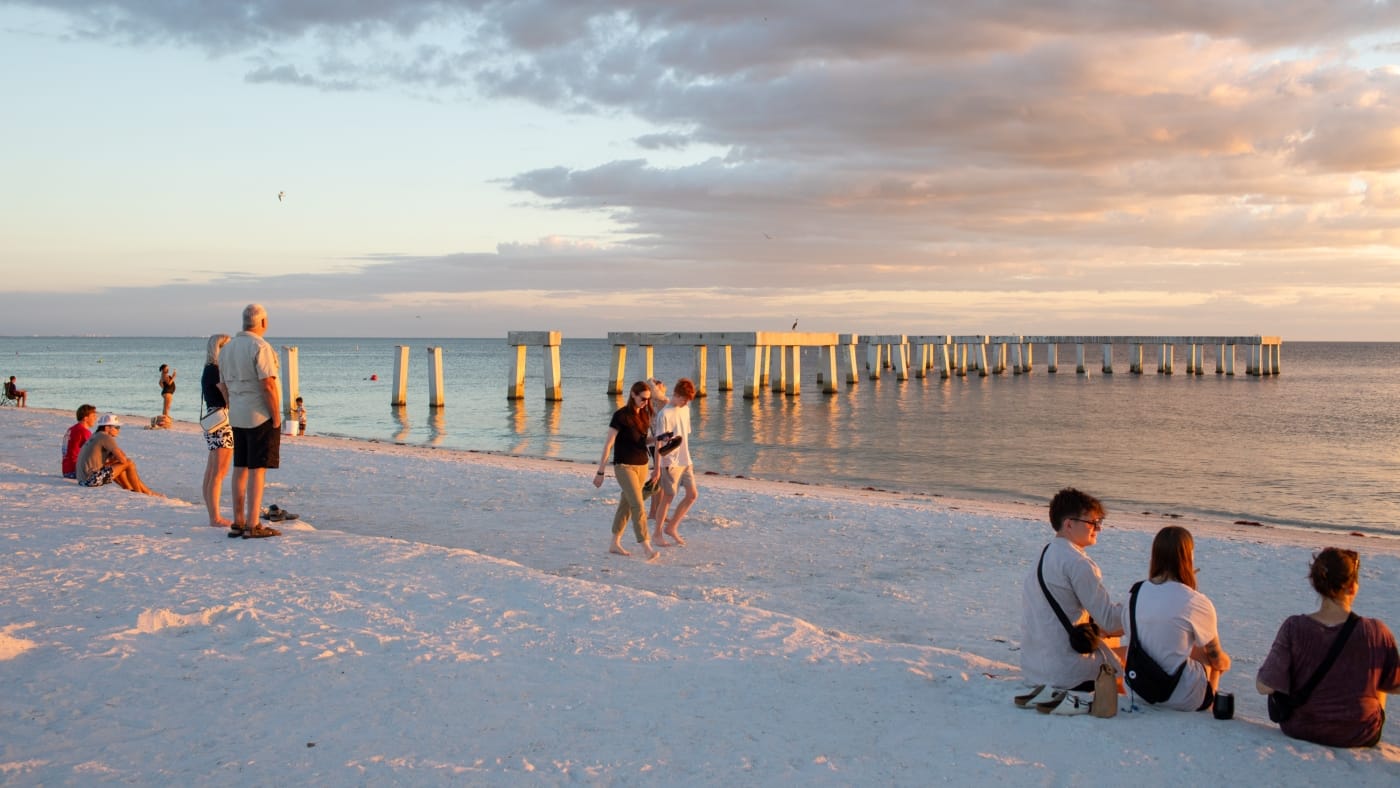
Fort Myers Beach is becoming the front line of a new Florida—one shaped by hurricane devastation, soaring insurance premiums, and rapid gentrification. Three years after Hurricane Ian, residents are still battling massive rebuilding costs and insurance bills that now exceed $5,700 a year on average, with flood insurance reaching $10,000 for some families. Long-time locals, small businesses, and service workers are being priced out as wealthy investors move in, transforming once-affordable coastal communities. Real estate professionals warn that foreclosures may rise if economic pressures continue, signaling a pivotal moment for Florida’s housing market and the professionals who serve it.
Economic uncertainty, AI disruption, slowing population growth, and rising portfolio risk are reshaping commercial real estate heading into 2026. A new report unveiled at NAR NXT highlights the forces that will reward informed professionals — and challenge those who aren’t prepared. From fiscal policy and shifting capital flows to tech transformation and housing shortages, the landscape is evolving fast. Cameron Academy breaks down the key issues so real estate, mortgage, finance, and insurance professionals can stay ahead of the curve.
A sudden federal shutdown of FEMA’s BRIC resiliency program has left cities and commercial property owners scrambling, exposing billions in real estate to rising climate threats. With nearly a billion dollars in mitigation funding clawed back and extreme weather intensifying, insurance premiums are expected to surge and coverage may shrink — placing new pressure on markets like Florida and New York.
A new Florida Senate bill aims to stop cities and counties from blocking residential developments over vague “compatibility” concerns. Supporters say the measure would speed up homebuilding and ease housing shortages, while opponents argue it strips communities of essential oversight and could accelerate growth without proper planning. The proposal could reshape development timelines and land-use decisions statewide, making it a major issue for real estate professionals to watch.
Cape Coral–Fort Myers has officially moved into buyer-friendly territory, with homes now sitting a median 119 days on the market—far longer than both the Florida and U.S. averages. Rising inventory, a 36.9 percent price‑reduction rate, and slower absorption compared to accumulated supply are giving buyers more leverage and time to negotiate, signaling a meaningful reset in this once‑fast‑moving Florida market.
Kansas City’s commercial real estate sector is finally turning a corner after several years of sluggish activity. Retail is leading the rebound, while multifamily and industrial properties are gaining traction as pricing stabilizes and buyer confidence returns. A standout 2025 transaction—the sale of the 380‑unit Cyan Southcreek community—signals that capital is flowing back into the market. With bid‑ask spreads tightening and investor optimism rising, Kansas City is entering a period of renewed opportunity for real estate professionals and investors alike.


 Florida’s Middle Class Is Being Squeezed Out: Insurance Costs, Rebuilding Struggles, and a Changing Coastline Gallery