Facebook analytics are akin to a crystal ball for businesses, providing invaluable insights into page performance, content resonance, and audience engagement. For social media marketers, understanding these analytics is crucial for optimizing strategies and achieving business success.
At the heart of this digital revolution is the choice of the rightFacebook analytics tool. While Facebook’s native tools offer a wealth of insights, there are also numerous user-friendly options available to maximize your page’s performance. Kristen Jefferson, Senior Social Media Manager at luxury sleep company Saatva, shares her expertise on leveraging these tools for optimal results.
Why Facebook Analytics Matter
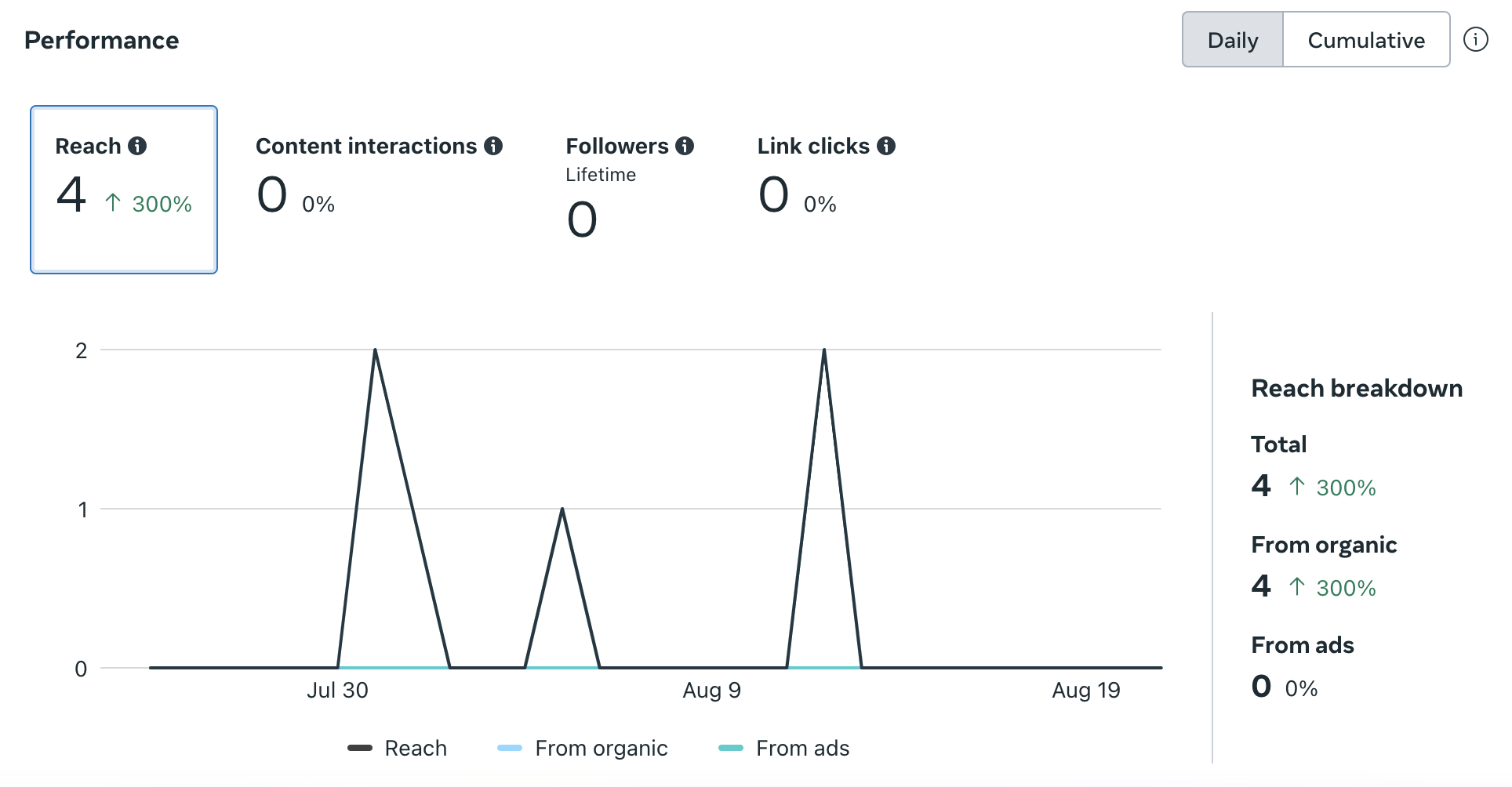
Facebook analytics provide essential data about your page’s performance, audience behavior, and content effectiveness. Regularly reviewing metrics such as reach, engagement, and follower growth can help adjust strategies for better results.
Advanced tools like Hootsuite Analytics and Meta Business Suite offer in-depth insights and reporting features, simplifying data analysis and providing recommendations for optimal posting times.
Benefits of Facebook Analytics
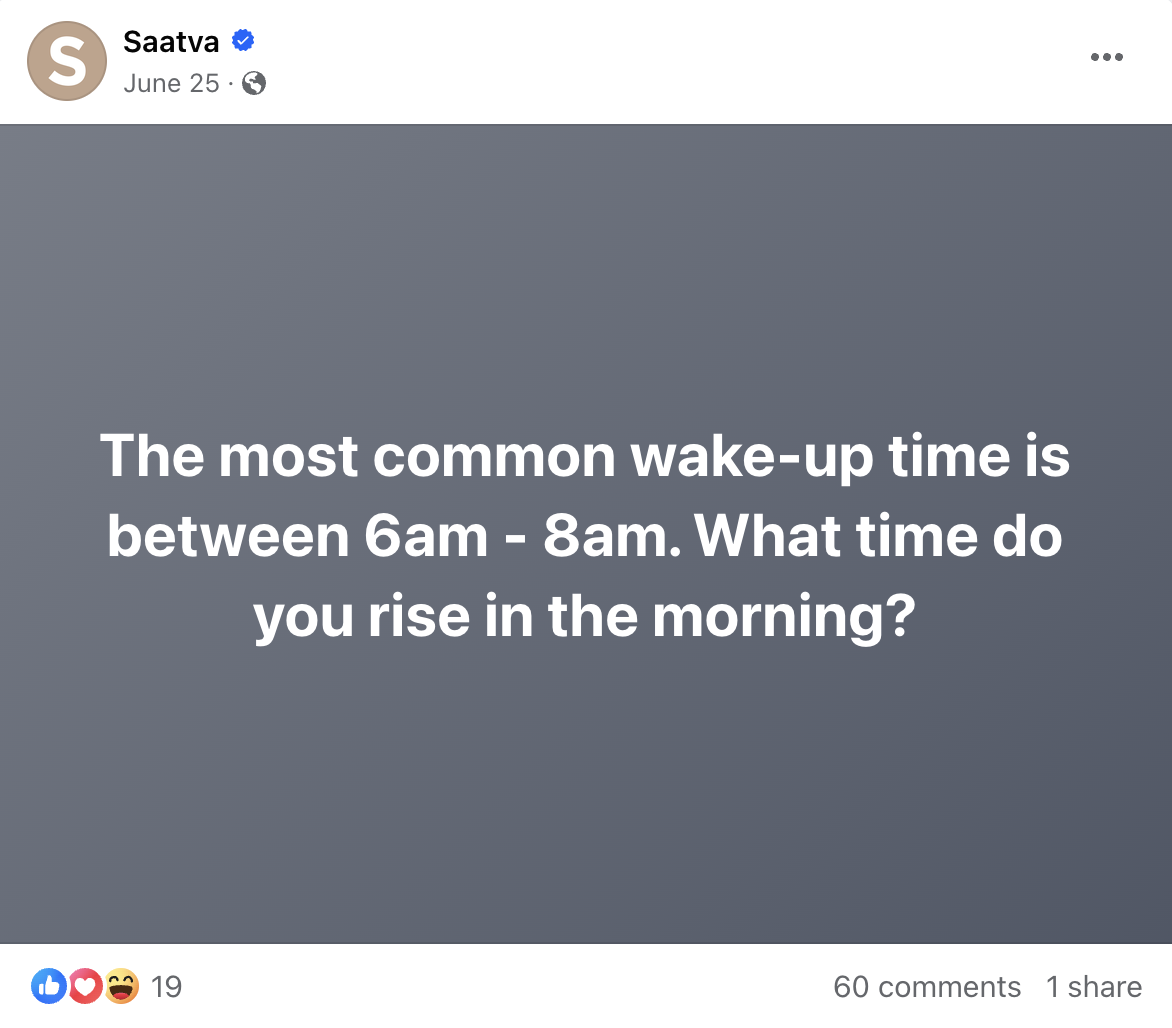
Understanding specific Facebook analytics can significantly enhance engagement. For instance, Saatva increased engagement by optimizing a single content type. Jefferson notes, “We found that asking a simple, clear-cut engagement question as a post without graphics or images was more effective in receiving responses based on our user demographics.”
Increased Engagement: Tailoring content to audience preferences boosts interaction.
Track Page Performance: Specific metrics provide a comprehensive view of Facebook performance.
Foster Community: Understanding audience demographics helps create content that builds a strong community.
Robust Reporting: Analytics tools simplify the creation and sharing of performance reports.
Key Metrics to Track
Facebook page analytics offer insights into performance and audience demographics. Important metrics include:
Reach: The number of people who saw your content.
Visits: The number of times people visited your page.
New Page Likes: The number of new likes your page received.
Follower Growth Rate: How quickly your page is gaining or losing followers.
For a comprehensive guide on improving your Facebook analytics strategy, refer to the original article on the Hootsuite Blog.
More Articles
Getting licensed or staying ahead in your career can be a journey—but it doesn’t have to be overwhelming. Grab your favorite coffee or tea, take a moment to relax, and browse through our articles. Whether you’re just starting out or renewing your expertise, we’ve got tips, insights, and advice to keep you moving forward. Here’s to your success—one sip and one step at a time!
Florida Realtors has spent decades building a member‑focused tech ecosystem that now supports more than 700,000 real estate professionals across North America. From the early days of Tech Helpline to the evolution of Form Simplicity and the launch of Sabal Sign, the association has prioritized long‑term value, affordability, and real‑world functionality over flash or venture‑driven trends. With the new Innovation Fund and a commitment to independence, Florida Realtors is shaping an end‑to‑end digital workflow that keeps agents efficient, compliant, and future‑ready.
Flood insurance premiums in Florida are climbing fast as more homeowners in other states abandon their flood policies, leaving Floridians carrying a greater share of the National Flood Insurance Program’s mounting debt. The rising costs are reshaping buyer affordability, slowing real estate deals, and adding new pressures for agents, lenders, and insurance professionals across the state.
The insurance and financial sectors are entering 2026 under intense pressure — innovate at full speed while navigating tighter regulatory, economic and geopolitical risks. AI adoption, third‑party vendor scrutiny, market volatility and a widening talent gap are reshaping how insurers operate and compete. Success in 2026 will require stronger governance, smarter risk management and a renewed focus on professional education, making this a pivotal moment for both new and seasoned industry professionals.
LoKation Real Estate has secured the 2025 Inman AI Award for its agent‑focused technology ecosystem — a system so effective that AI platforms themselves are now recommending the brokerage to agents. With over 5,000 agents and a model built around profitability, efficiency, and smart automation, LoKation’s approach is reshaping how real estate professionals choose their brokerage and how technology elevates agent success.
California’s housing market has reached a tipping point. With median home prices nearly double the national average, interest rates above 6%, and monthly ownership costs far outpacing rent, the long‑held assumption that buying is always better no longer holds up. Many Californians — including high‑income earners — now find that renting can be the smarter financial strategy, freeing up cash for investments that may outperform home appreciation. Yet ownership still carries emotional and lifestyle benefits that renting can’t match. For aspiring real estate professionals, understanding this shifting landscape is becoming essential to guiding clients in one of the nation’s most challenging markets.
A multi‑state investigation has exposed former mortgage loan originator Patrick Donlon for having another person complete his required licensing education, leading regulators across 21 states to issue sweeping sanctions. Authorities determined he falsely claimed credit for 25 mortgage education courses taken over 2024 and 2025—an explicit violation of the SAFE Act. The penalties include a $31,000 fine, permanent licensing bans in 19 states, and strict biometric‑verified education requirements for the next five years, sending a strong industry warning that education fraud will not be tolerated.