Facebook analytics are akin to a crystal ball for businesses, providing invaluable insights into page performance, content resonance, and audience engagement. For social media marketers, understanding these analytics is crucial for optimizing strategies and achieving business success.
At the heart of this digital revolution is the choice of the rightFacebook analytics tool. While Facebook’s native tools offer a wealth of insights, there are also numerous user-friendly options available to maximize your page’s performance. Kristen Jefferson, Senior Social Media Manager at luxury sleep company Saatva, shares her expertise on leveraging these tools for optimal results.
Why Facebook Analytics Matter
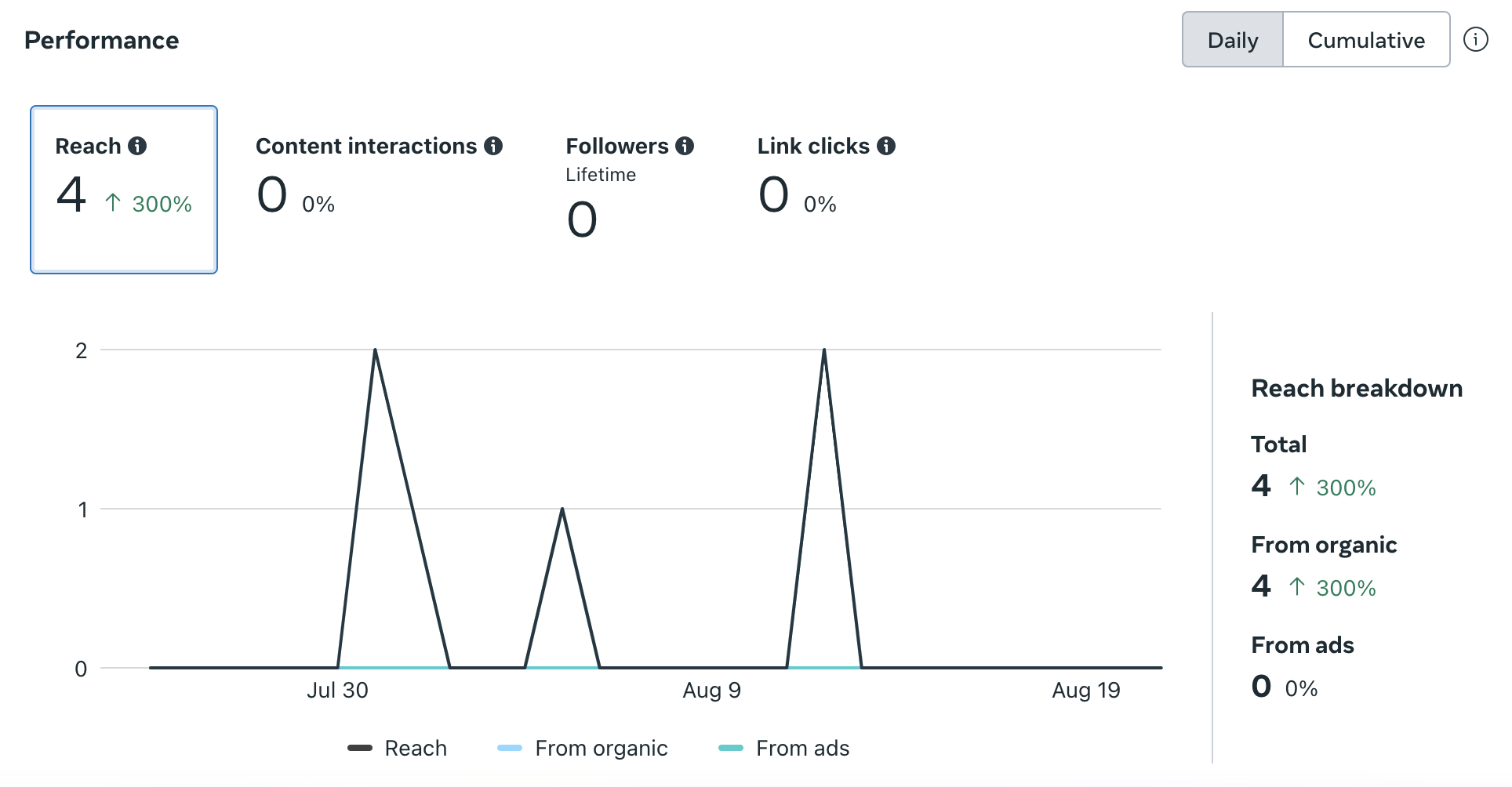
Facebook analytics provide essential data about your page’s performance, audience behavior, and content effectiveness. Regularly reviewing metrics such as reach, engagement, and follower growth can help adjust strategies for better results.
Advanced tools like Hootsuite Analytics and Meta Business Suite offer in-depth insights and reporting features, simplifying data analysis and providing recommendations for optimal posting times.
Benefits of Facebook Analytics
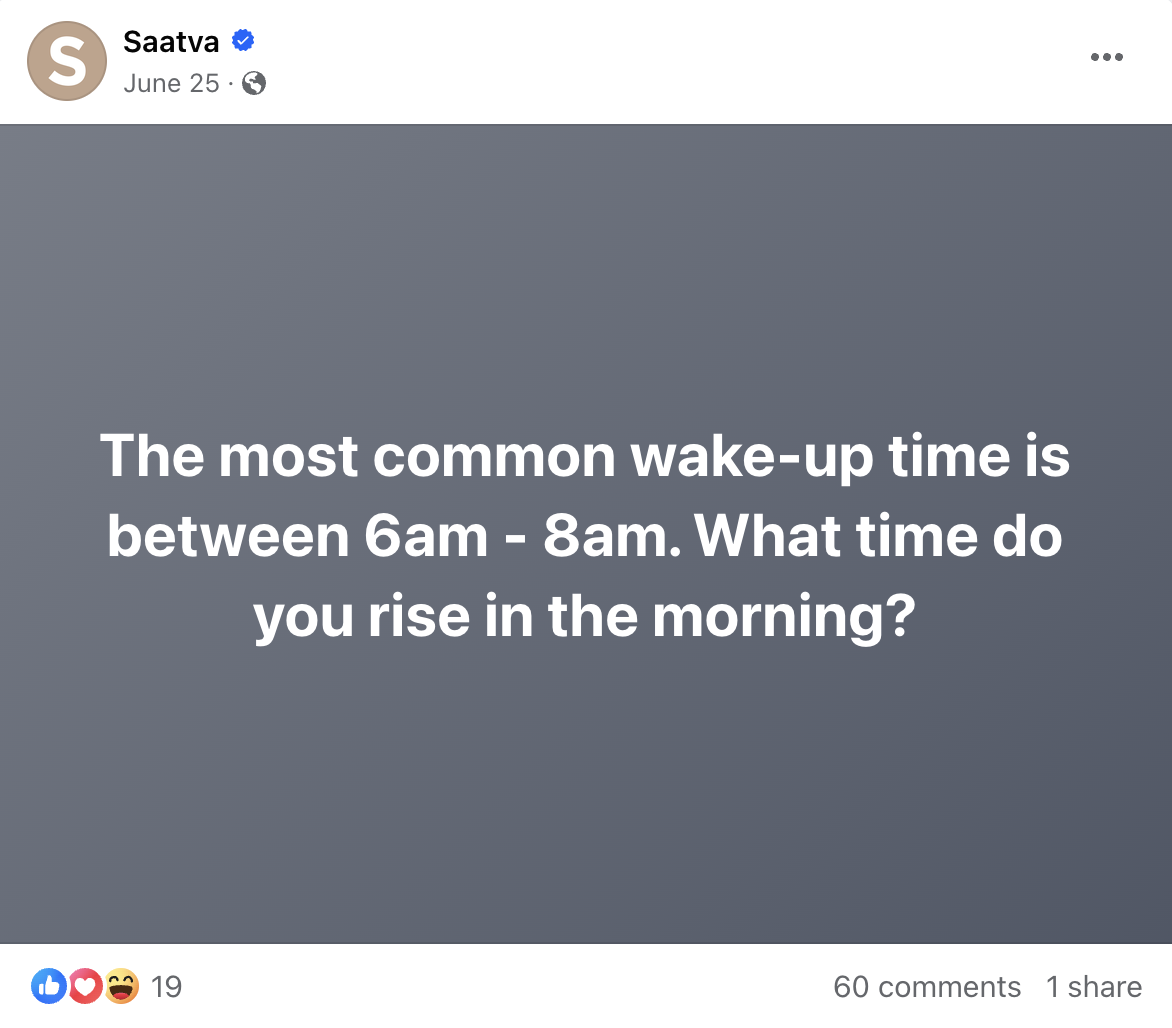
Understanding specific Facebook analytics can significantly enhance engagement. For instance, Saatva increased engagement by optimizing a single content type. Jefferson notes, “We found that asking a simple, clear-cut engagement question as a post without graphics or images was more effective in receiving responses based on our user demographics.”
Increased Engagement: Tailoring content to audience preferences boosts interaction.
Track Page Performance: Specific metrics provide a comprehensive view of Facebook performance.
Foster Community: Understanding audience demographics helps create content that builds a strong community.
Robust Reporting: Analytics tools simplify the creation and sharing of performance reports.
Key Metrics to Track
Facebook page analytics offer insights into performance and audience demographics. Important metrics include:
Reach: The number of people who saw your content.
Visits: The number of times people visited your page.
New Page Likes: The number of new likes your page received.
Follower Growth Rate: How quickly your page is gaining or losing followers.
For a comprehensive guide on improving your Facebook analytics strategy, refer to the original article on the Hootsuite Blog.
More Articles
Getting licensed or staying ahead in your career can be a journey—but it doesn’t have to be overwhelming. Grab your favorite coffee or tea, take a moment to relax, and browse through our articles. Whether you’re just starting out or renewing your expertise, we’ve got tips, insights, and advice to keep you moving forward. Here’s to your success—one sip and one step at a time!
Commercial real estate is entering a decade of major transformation driven by interest rate pressures, evolving work culture, rapid proptech innovation, and growing demand for AI-focused infrastructure. While the global CRE market is projected to reach $133.5 trillion by 2028, rising rates, shifting office demand, and increasing sustainability requirements are reshaping how professionals invest, manage, and develop properties. By 2030, the biggest opportunities will center on mixed‑use conversions, data center growth, premium office spaces, and ESG‑driven upgrades.
The National Association of Realtors’ landmark antitrust settlement is transforming how real estate agents negotiate compensation, work with buyers, and handle transparency in transactions. With MLS‑posted buyer‑broker commissions eliminated and written buyer agreements now required, both consumers and professionals are navigating a new, more transparent landscape. While commission levels have only dipped slightly, the real shift is in how openly compensation is discussed and negotiated—creating new challenges and opportunities for agents who adapt quickly.
Artificial intelligence is no longer a novelty in real estate — 2025 marks its breakthrough year as a dependable pillar of the proptech industry. With investors pouring capital into AI‑powered forecasting, security, automation, and property management tools, the sector is shifting from experimentation to full‑scale adoption. Brokerages, developers, and institutional players now rely on AI to streamline due diligence, enhance market modeling, reduce risk, and optimize building operations. As adoption accelerates, professionals who understand and leverage these technologies are gaining a decisive competitive edge in fast‑moving markets like Florida.
A new episode of Current Account breaks down why the insurance industry is heading into 2026 with more uncertainty — and more opportunity — than ever. From shifting global regulations and rising catastrophe risks to FSOC’s evolving role in the U.S., industry leaders Jérôme Haegeli and Philippe Brahin explain how insurers are being pushed to rethink strategy in real time. With global premium growth expected to slow and regulatory pressures rising, professionals in insurance and financial services are turning to education and new skills to stay ahead in a rapidly changing market.
New Jersey is quietly becoming one of the hottest commercial real estate markets in the nation, with Jersey City and North Jersey breaking into the top 10 in PwC’s 2026 Emerging Trends report. Fueled by redevelopment momentum, data‑center demand, mixed‑use transformations and a surge in health‑care projects, the state is drawing major investors while still battling rising construction costs and municipal fatigue. For real estate professionals, the Garden State’s evolution signals fresh opportunity—and a market worth watching closely heading into 2026.
The National Council of Insurance Legislators is pushing back against President Trump’s new executive order on artificial intelligence, arguing that it threatens decades of state‑based insurance oversight. NCOIL leaders say federal attempts to centralize AI authority could disrupt markets, weaken consumer protections, and limit states’ ability to innovate—setting the stage for a significant legal and political battle with major implications for insurance professionals who rely on AI‑driven tools and regulatory clarity.