Unraveling the Ties Between Sleep and Chronic Disease: Insights from Wearable Technology
In a groundbreaking study published in Nature, researchers have delved into the intricate relationship between sleep patterns and chronic disease risk, using data harvested from commercial wearable devices like Fitbit. This study, part of the All of Us Research Program, harnesses the power of long-term monitoring to paint a comprehensive picture of how sleep impacts health over time.
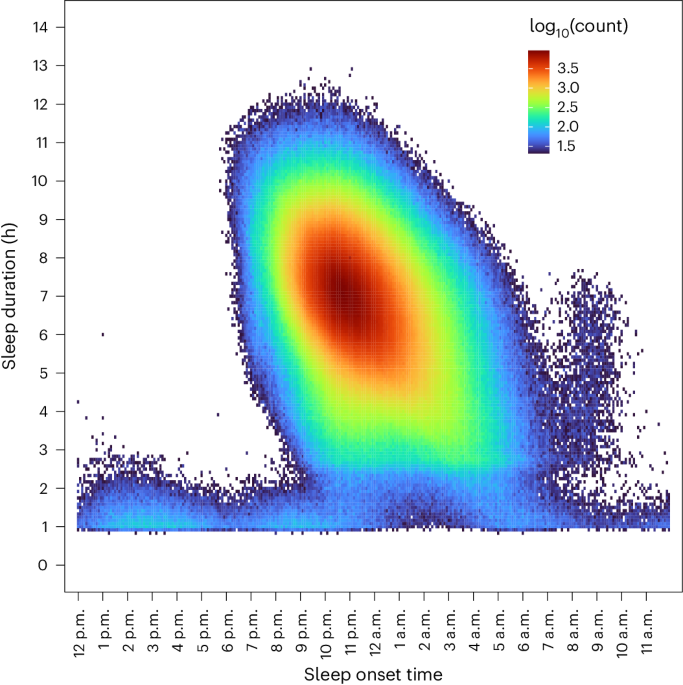
The researchers meticulously analyzed the sleep data of thousands of participants, focusing on various metrics such as sleep stages, duration, and regularity. The findings underscore a significant association between these sleep patterns and the incidence of chronic diseases, including obesity, hypertension, and psychiatric disorders.
The study’s results are not only a testament to the potential of wearable technology in health monitoring but also a call to action for public health initiatives. By tracking sleep patterns over extended periods, wearables provide a unique opportunity to observe the long-term effects of sleep on health, offering valuable insights for both public health policies and individual health management.
As noted in the original article, this research builds on previous studies, such as those by Ayas et al. on sleep duration and coronary heart disease, and Cribb et al. on sleep regularity and mortality. These studies have laid the foundation for understanding the critical role sleep plays in overall health.
Wearables: A New Frontier in Health Monitoring
The use of devices like Fitbit has revolutionized the way we approach health monitoring. By providing continuous, objective data, these devices allow researchers to conduct longitudinal studies that were previously impractical due to cost and logistical constraints. This paradigm shift is opening new doors for understanding the complex interactions between lifestyle factors and health outcomes.
The implications of this study are far-reaching. For individuals, it highlights the importance of maintaining healthy sleep habits as a preventive measure against chronic diseases. For healthcare providers, it emphasizes the potential of integrating wearable data into routine care, enabling more personalized and proactive health management.
Conclusion
In conclusion, the study published in Nature offers a compelling argument for the integration of wearable technology in health research and management. By shedding light on the profound impact of sleep on chronic disease risk, it provides a roadmap for future research and underscores the importance of sleep in maintaining overall health. As we continue to embrace technology in healthcare, the insights gained from such studies will be invaluable in shaping a healthier future.
More Articles
Getting licensed or staying ahead in your career can be a journey—but it doesn’t have to be overwhelming. Grab your favorite coffee or tea, take a moment to relax, and browse through our articles. Whether you’re just starting out or renewing your expertise, we’ve got tips, insights, and advice to keep you moving forward. Here’s to your success—one sip and one step at a time!
As the nation grapples with the legacy of standardized testing, a stark reality is coming to light—the tests that have long been a staple of the American educational system are rooted in a history of racial bias. According to a report by the National Education Association (NEA), these tests have disproportionately affected students of color, particularly those from low-income families.
Proposition 47, enacted in November 2014, was a landmark reform that reclassified certain non-violent drug and property offenses from felonies to misdemeanors. This legislative shift led to a significant reduction in the state's prison population, saving approximately $800 million, which was redirected to fund treatment and diversion programs.
As families consider relocating, the quality of local public schools often becomes a pivotal factor. The allure of modern athletic facilities, spacious classrooms, and cutting-edge technology in science and computer labs can be irresistible for parents who equate these attributes with a superior education.
Five standout online real estate schools have been identified as the best options for those looking to kickstart their careers in 2025. These schools are tailored to fit various budgets and learning preferences, ensuring that every prospective agent can find a suitable path to success.
The commercial real estate sector is poised to navigate through a transformative phase as it heads into 2025, now facing a generational opportunity to reposition itself strategically for the future.
The Securities and Exchange Commission (SEC) has unveiled its examination priorities for 2025, focusing on key areas such as investment advisers, broker-dealers, cybersecurity, and crypto assets. This announcement, detailed by Eric Mikkelson and Carissa Occhipinto from Stinson LLP, provides a roadmap for registered investment advisers, investment companies, and broker-dealers to prepare for potential examinations.