Unveiling Pandemic’s Unequal Educational Impact Across Communities

In a groundbreaking revelation, the Harvard Graduate School of Education has released new data detailing the profound and unequal effects of the COVID-19 pandemic on student learning across the United States. The comprehensive analysis, spearheaded by the Education Recovery Scorecard in collaboration with the Center for Education Policy Research (CEPR) at Harvard University and Stanford University’s Educational Opportunity Project, underscores the urgent need for expanded learning opportunities.


The research, which encompasses data from 8,000 communities across 40 states and Washington, D.C., paints a stark picture of how school closures and local conditions have exacerbated educational inequalities. The findings reveal that the location where children lived during the pandemic had a more significant impact on their academic progress than factors such as family background, income, or internet speed. This highlights the pressing need for school leaders to intensify recovery efforts.


Thomas Kane, faculty director at CEPR, emphasized the gravity of the situation, noting that “the hardest-hit communities, such as Richmond, Virginia, St. Louis, Missouri, and New Haven, Connecticut, need to teach 150 percent of a typical year’s worth of material for three consecutive years to catch up.”


Sean Reardon, a professor at Stanford Graduate School of Education, echoed these sentiments, stating, “The educational impacts of the pandemic were not only historically large but also disproportionately affected communities with many low-income and minority students.” He added that schools, while not the sole cause of decreased learning, are best positioned to address these disparities.


Key Findings and Recommendations

  • The average U.S. public school student in grades 3-8 lost the equivalent of a half year of learning in math and a quarter of a year in reading.
  • Test scores declined more in areas with higher COVID death rates and where adults reported increased depression and anxiety.
  • Communities with higher voting and Census response rates, indicators of “institutional trust,” experienced smaller declines in test scores.

The research also highlights the need for increased instructional time, such as summer school, extended school year, and tutoring, to help students recover lost ground. The study suggests that schools should not only focus on traditional academic calendars but also create learning opportunities outside of them.


For more in-depth insights, readers can explore the research brief and the interactive map that highlights disparities between neighboring school districts.


The ongoing support from entities like Citadel founder and CEO Kenneth C. Griffin, Carnegie Corporation of New York, and the Walton Family Foundation underscores the importance of these findings and the need for action.


More Articles

Getting licensed or staying ahead in your career can be a journey—but it doesn’t have to be overwhelming. Grab your favorite coffee or tea, take a moment to relax, and browse through our articles. Whether you’re just starting out or renewing your expertise, we’ve got tips, insights, and advice to keep you moving forward. Here’s to your success—one sip and one step at a time!

The 2026 CRE Tech Revolution: How Data, Automation, and AI Are Rewriting Commercial Real Estate

Commercial real estate is entering its most transformative era yet. In 2026, success hinges on mastering predictive analytics, smart‑building automation, and sustainability tech—tools that now determine everything from ROI forecasting to tenant retention. As PropTech evolves into an interconnected ecosystem of AI, automation, and ESG‑driven systems, CRE professionals who embrace this shift will lead the next generation of market innovation, while those who rely on traditional instincts risk being left behind.

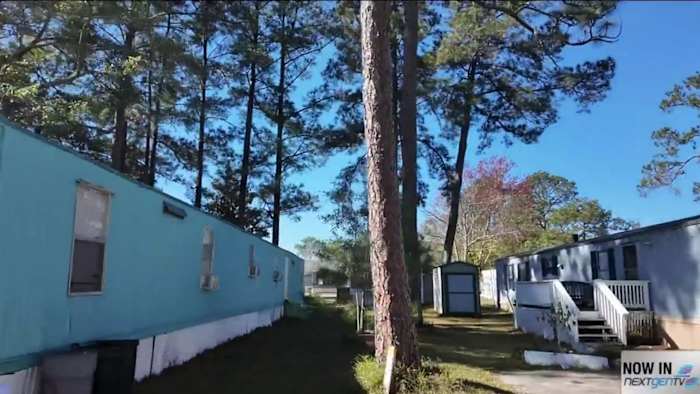
Florida’s Mobile Home Rent Shake‑Up: New Bills Aim to Rein In Rent Hikes and Boost Tenant Protections

Florida lawmakers are pushing major reforms that could dramatically change life for more than 800,000 mobile home park residents. New bills would force park owners to justify rent increases, expand relocation assistance, strengthen tenant rights, and add penalties for reducing amenities without lowering rent. With many residents facing steep price jumps on fixed incomes, the proposed laws mark one of the state’s biggest moves toward accountability and transparency in decades — and real estate professionals will need to stay informed as the changes progress.

Mortgage Refinance Surge Faces Sudden Reversal as Rates Jump Again

Refinance activity exploded for a second straight week as mortgage rates briefly dipped to their lowest levels since late 2024. Homeowners rushed to lock in savings, pushing refinance applications to nearly triple last year’s volume. But the momentum may be short‑lived. Early this week, rates spiked again as markets reacted to new tariff concerns and global uncertainty, erasing much of the recent progress. Both refinance and purchase demand remain strong, but volatility continues to challenge borrowers and professionals across the real estate and mortgage sectors.

Welcome to the Age of the AI Real Estate Agent

The real estate industry has officially entered its AI era, with agents across the country adopting advanced tools that streamline workflow, boost productivity, and transform daily operations. According to a new HousingWire report, tasks that once took hours now take minutes, agents are seeing up to 40 percent productivity growth, and unified AI platforms are helping brokerages deliver faster, smarter, and more personalized marketing than ever before.

Hawai‘i’s 2026 Economic Crossroads: A State in Transition with Opportunities for Professionals

Hawai‘i enters 2026 with a mix of strength and vulnerability. Construction is booming with billions in federal and military projects, yet tourism—the backbone of the local economy—is slowing at a difficult moment. Real estate shows early signs of revival as mortgage rates fall, while health care, small business, and banking navigate shifting federal funding and economic uncertainty. For professionals across real estate, finance, construction, and other licensed industries, Hawai‘i offers a clear preview of the economic pressures and emerging opportunities taking shape nationwide.

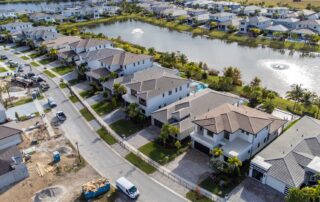
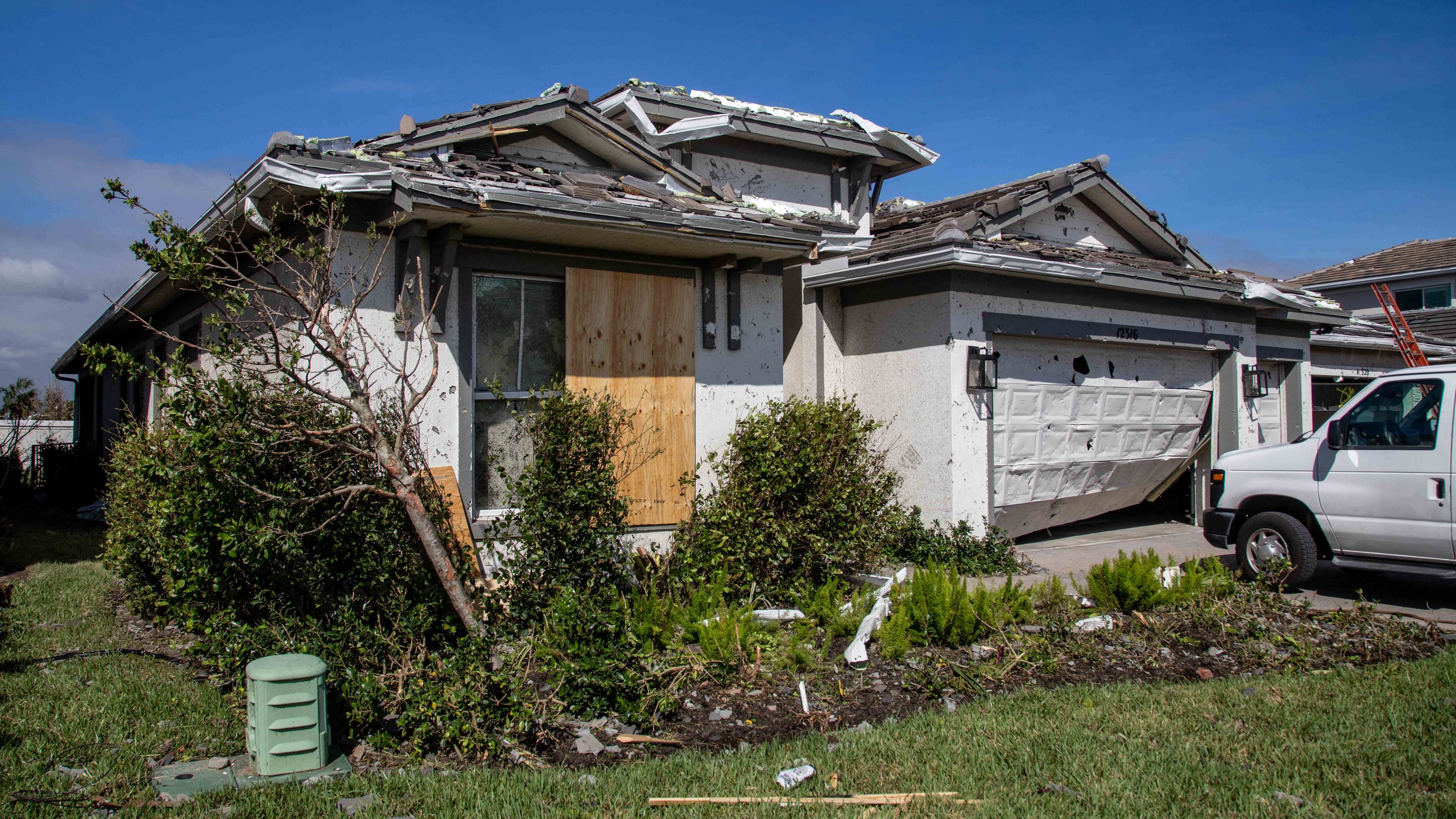
Florida’s Insurance Crisis Finally Shows Relief as Lawmakers Push for More Consumer‑Focused Reforms

Florida’s property insurance market is stabilizing after years of turmoil, but lawmakers say the job isn’t done. New proposals target profit‑sharing oversight, premium transparency, and a statewide claim‑free discount program—offering potential relief for homeowners and key insights for real estate and mortgage professionals navigating the shifting landscape.