Unveiling Pandemic’s Unequal Educational Impact Across Communities

In a groundbreaking revelation, the Harvard Graduate School of Education has released new data detailing the profound and unequal effects of the COVID-19 pandemic on student learning across the United States. The comprehensive analysis, spearheaded by the Education Recovery Scorecard in collaboration with the Center for Education Policy Research (CEPR) at Harvard University and Stanford University’s Educational Opportunity Project, underscores the urgent need for expanded learning opportunities.


The research, which encompasses data from 8,000 communities across 40 states and Washington, D.C., paints a stark picture of how school closures and local conditions have exacerbated educational inequalities. The findings reveal that the location where children lived during the pandemic had a more significant impact on their academic progress than factors such as family background, income, or internet speed. This highlights the pressing need for school leaders to intensify recovery efforts.


Thomas Kane, faculty director at CEPR, emphasized the gravity of the situation, noting that “the hardest-hit communities, such as Richmond, Virginia, St. Louis, Missouri, and New Haven, Connecticut, need to teach 150 percent of a typical year’s worth of material for three consecutive years to catch up.”


Sean Reardon, a professor at Stanford Graduate School of Education, echoed these sentiments, stating, “The educational impacts of the pandemic were not only historically large but also disproportionately affected communities with many low-income and minority students.” He added that schools, while not the sole cause of decreased learning, are best positioned to address these disparities.


Key Findings and Recommendations

  • The average U.S. public school student in grades 3-8 lost the equivalent of a half year of learning in math and a quarter of a year in reading.
  • Test scores declined more in areas with higher COVID death rates and where adults reported increased depression and anxiety.
  • Communities with higher voting and Census response rates, indicators of “institutional trust,” experienced smaller declines in test scores.

The research also highlights the need for increased instructional time, such as summer school, extended school year, and tutoring, to help students recover lost ground. The study suggests that schools should not only focus on traditional academic calendars but also create learning opportunities outside of them.


For more in-depth insights, readers can explore the research brief and the interactive map that highlights disparities between neighboring school districts.


The ongoing support from entities like Citadel founder and CEO Kenneth C. Griffin, Carnegie Corporation of New York, and the Walton Family Foundation underscores the importance of these findings and the need for action.


More Articles

Getting licensed or staying ahead in your career can be a journey—but it doesn’t have to be overwhelming. Grab your favorite coffee or tea, take a moment to relax, and browse through our articles. Whether you’re just starting out or renewing your expertise, we’ve got tips, insights, and advice to keep you moving forward. Here’s to your success—one sip and one step at a time!

Florida’s Home Insurance Market Shows Strong Signs of Recovery in 2026

Florida’s home insurance market is experiencing a wave of optimism as recent litigation reforms lead to fewer lawsuits, stronger insurer stability, and even rate reductions. With companies like Florida Peninsula lowering premiums and 17 new insurers entering the state, real estate, mortgage, and insurance professionals can expect smoother transactions, increased buyer confidence, and a more competitive market environment in the year ahead.

Mortgage Rates Slide to Multi‑Year Lows as 2026 Housing Momentum Accelerates

Mortgage rates have dipped to levels not seen since 2022, with the 30‑year fixed averaging just 6.361% and Freddie Mac reporting an even lower 6.06%. The drop is reshaping buyer affordability, sparking renewed market activity, and creating fresh opportunities for real estate professionals—especially in fast‑moving markets like Florida.

Is 2026 Finally the Breakthrough Year for Homebuyers?

The 2026 housing market is shaping up to be one of the most pivotal in years, with mortgage rates showing slight relief, affordability shifting toward the Midwest and South, and buyers turning to options like ARMs and new‑construction homes. Early signals point to new opportunities for buyers, investors, and real‑estate professionals—especially those ready to navigate a market defined by moderate rate drops, regional affordability gaps, and builder‑driven incentives.

Ares Commercial Real Estate Insider Shake‑Up Raises Questions for Industry Professionals

Ares Commercial Real Estate CEO Bryan Donohoe sold US$107k in shares this week, trimming his stake by 13% and adding to a pattern of insider selling with no insider purchases in the past 12 months. With insider ownership sitting at a modest 1.6%, the activity signals a cautious tone inside the company—something real estate, mortgage, and finance professionals may want to watch as they assess broader market confidence.

Florida’s 2026 Legislative Session Kicks Off With Major Moves for Real Estate, Insurance, and Business Professionals

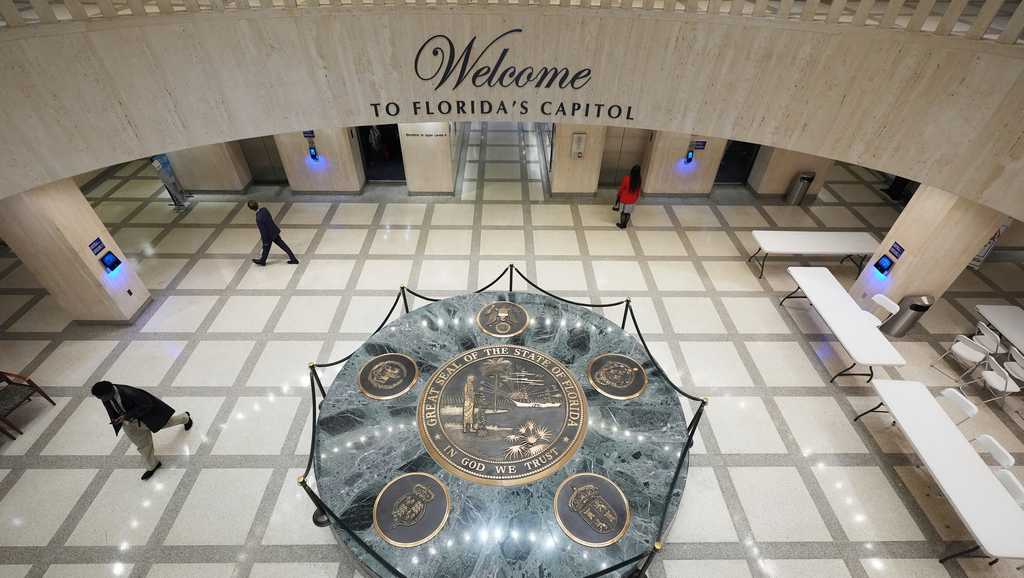
Florida’s 2026 legislative session is officially underway, launching a wave of high‑impact bills targeting property insurance reform, a proposal to eliminate property taxes, new education attendance requirements, and even an AI Bill of Rights. With over a hundred bills already filed, real estate agents, investors, insurers, educators, and other licensed professionals can expect significant regulatory shifts that may reshape Florida’s housing market, insurance costs, and professional compliance standards.

Warren Buffett’s 2026 Reminder: Conviction Beats Market Predictions

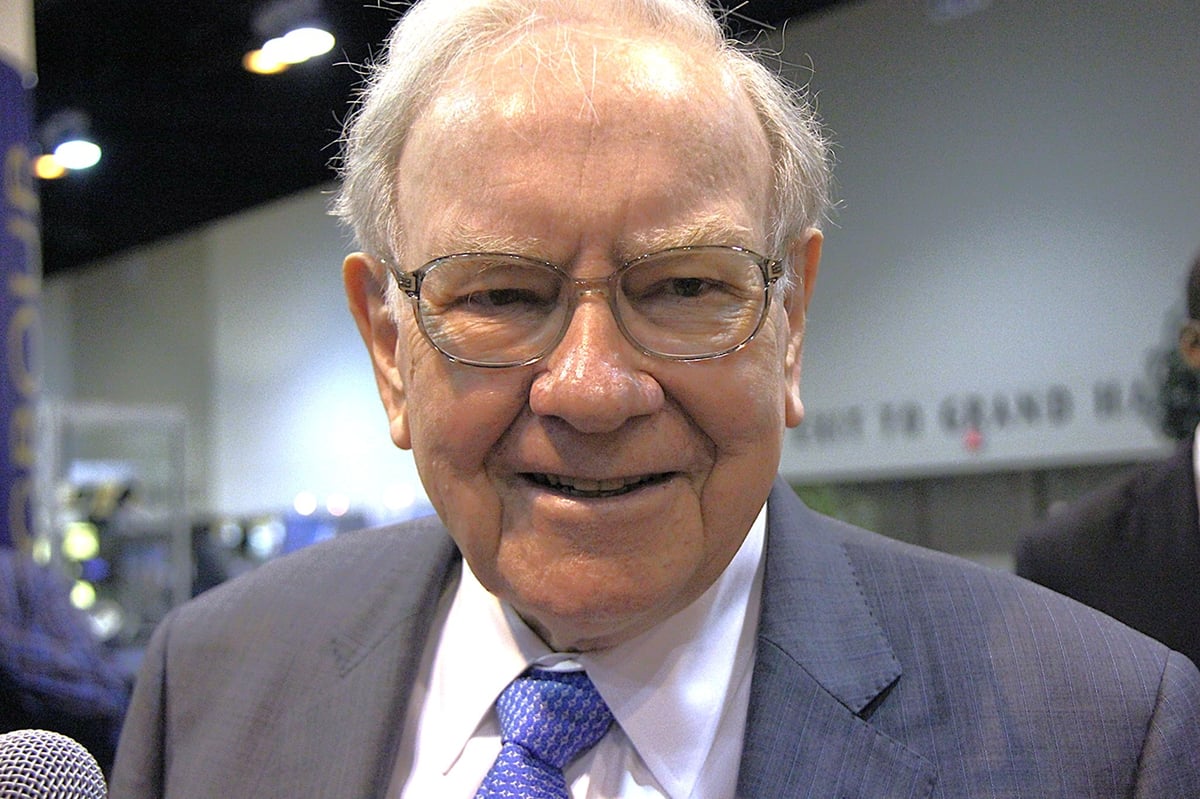
Warren Buffett’s timeless investing wisdom is more relevant than ever in 2026. Despite decades of market change, his core lesson remains the same: long‑term conviction outperforms short‑term prediction. From embracing occasional underperformance to avoiding emotional decisions, Buffett’s philosophy highlights why deep understanding and steady confidence are more valuable than trying to forecast market swings. This mindset isn’t just for investors—it’s a guiding principle for professionals looking to grow their careers with clarity and purpose.