Unveiling Pandemic’s Unequal Educational Impact Across Communities

In a groundbreaking revelation, the Harvard Graduate School of Education has released new data detailing the profound and unequal effects of the COVID-19 pandemic on student learning across the United States. The comprehensive analysis, spearheaded by the Education Recovery Scorecard in collaboration with the Center for Education Policy Research (CEPR) at Harvard University and Stanford University’s Educational Opportunity Project, underscores the urgent need for expanded learning opportunities.


The research, which encompasses data from 8,000 communities across 40 states and Washington, D.C., paints a stark picture of how school closures and local conditions have exacerbated educational inequalities. The findings reveal that the location where children lived during the pandemic had a more significant impact on their academic progress than factors such as family background, income, or internet speed. This highlights the pressing need for school leaders to intensify recovery efforts.


Thomas Kane, faculty director at CEPR, emphasized the gravity of the situation, noting that “the hardest-hit communities, such as Richmond, Virginia, St. Louis, Missouri, and New Haven, Connecticut, need to teach 150 percent of a typical year’s worth of material for three consecutive years to catch up.”


Sean Reardon, a professor at Stanford Graduate School of Education, echoed these sentiments, stating, “The educational impacts of the pandemic were not only historically large but also disproportionately affected communities with many low-income and minority students.” He added that schools, while not the sole cause of decreased learning, are best positioned to address these disparities.


Key Findings and Recommendations

  • The average U.S. public school student in grades 3-8 lost the equivalent of a half year of learning in math and a quarter of a year in reading.
  • Test scores declined more in areas with higher COVID death rates and where adults reported increased depression and anxiety.
  • Communities with higher voting and Census response rates, indicators of “institutional trust,” experienced smaller declines in test scores.

The research also highlights the need for increased instructional time, such as summer school, extended school year, and tutoring, to help students recover lost ground. The study suggests that schools should not only focus on traditional academic calendars but also create learning opportunities outside of them.


For more in-depth insights, readers can explore the research brief and the interactive map that highlights disparities between neighboring school districts.


The ongoing support from entities like Citadel founder and CEO Kenneth C. Griffin, Carnegie Corporation of New York, and the Walton Family Foundation underscores the importance of these findings and the need for action.


More Articles

Getting licensed or staying ahead in your career can be a journey—but it doesn’t have to be overwhelming. Grab your favorite coffee or tea, take a moment to relax, and browse through our articles. Whether you’re just starting out or renewing your expertise, we’ve got tips, insights, and advice to keep you moving forward. Here’s to your success—one sip and one step at a time!

The Rising Cost of Disaster: How Insurance Upheaval Is Reshaping Florida’s Middle Class

Skyrocketing insurance premiums and soaring rebuilding costs are transforming communities across Southwest Florida, especially in the wake of Hurricane Ian. As longtime residents struggle to keep up with rising financial pressure, wealthier newcomers and stricter building standards are reshaping the identity of places like Fort Myers Beach. With insurance rates now driving home sales, triggering potential foreclosures, and squeezing both owners and renters, Florida’s middle-class families face a growing question: can they afford to stay in the state they love?

Florida’s Insurance Market Enters Its Strongest Phase in Years as Private Carriers Take Over

Florida’s insurance industry is stabilizing fast, with nearly 1.6 million policies shifting from Citizens to private insurers and litigation dropping sharply. Regulators report stronger market confidence, decreasing premiums, and renewed competition—signaling one of the healthiest periods the state has seen in years.

Florida Judge Restarts Citizens Insurance Arbitration, Re‑Igniting 400+ Stalled Claims

A Leon County judge has ordered the restart of arbitration for Citizens Property Insurance claims, directly conflicting with a previous ruling that halted the process as potentially unconstitutional. With more than 400 cases now back in motion, real estate, insurance, and mortgage professionals can expect renewed activity in claim disputes and fresh uncertainty as Florida courts clash over the legality of Citizens’ arbitration system.

Dallas–Fort Worth Enters a New Real Estate Cycle as Developers Shift Strategies

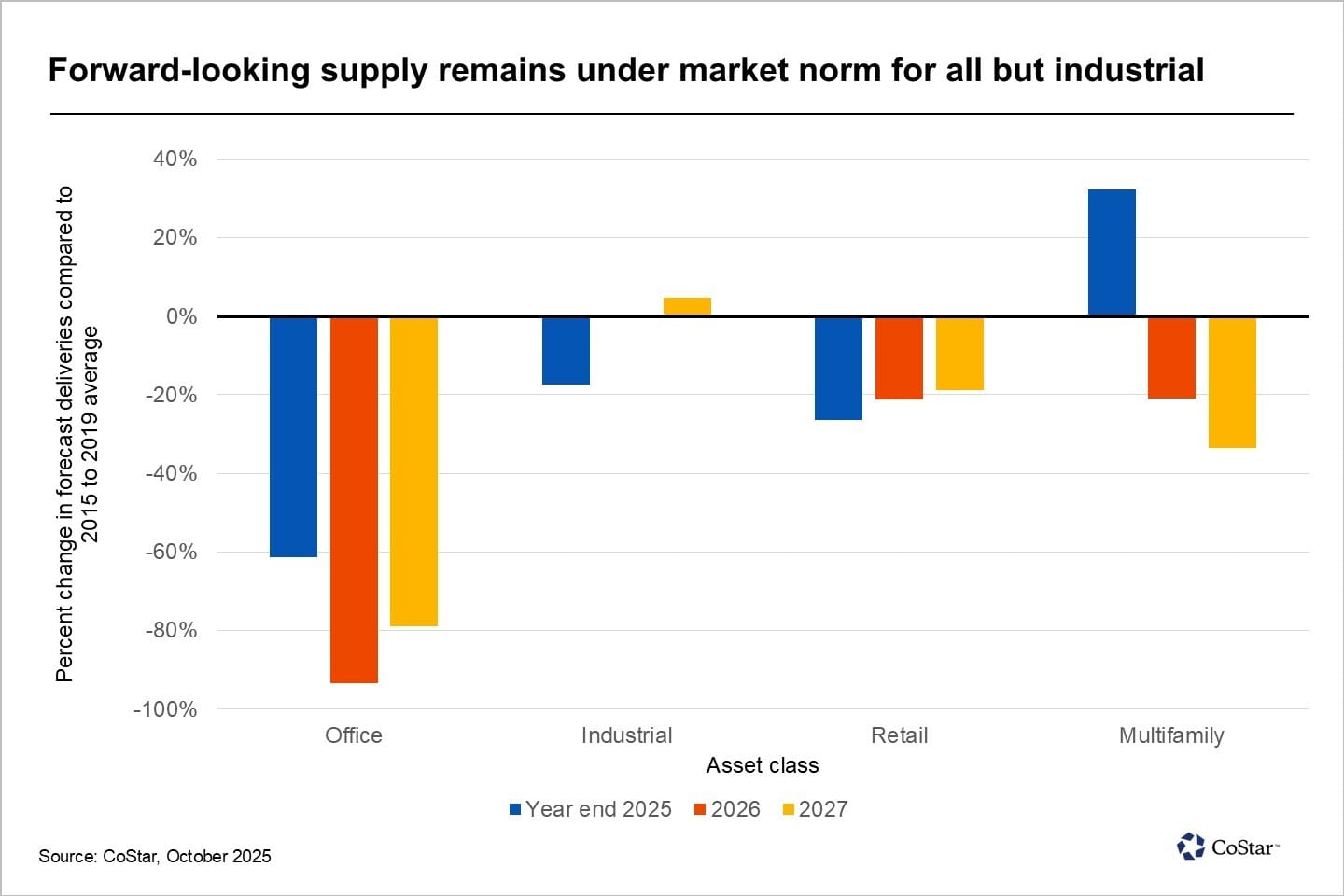
The DFW market is transitioning into a new construction phase marked by a slowdown in office development, a more selective approach to industrial projects, and an evolving housing landscape shaped by affordability and population growth. Developers are recalibrating their priorities, and for real estate professionals, understanding these shifts offers a critical edge in navigating—and capitalizing on—the next phase of the metroplex’s growth.

Zillow Faces New Lawsuit Over Alleged Pressure on Buyers to Use Zillow Home Loans

A new federal lawsuit claims Zillow pushed homebuyers toward Zillow Home Loans by rewarding affiliated agents with valuable leads — all without proper disclosure. The suit alleges undisclosed incentives, referral quotas, and potential RESPA violations, raising major concerns about steering, fiduciary duties, and Zillow’s expanding mortgage ambitions.

Embracing Innovation to Stay Competitive in a Shifting Mortgage Market

The mortgage industry is evolving fast, and the lenders who come out on top will be those who innovate without uprooting what already works. By building on strong technology foundations, streamlining workflows and adopting smart automation, lenders can reduce costs, improve customer experience and stay resilient in any market cycle. This article breaks down why innovation matters now, how a stable tech ecosystem protects lenders in volatile conditions and why small, strategic steps can drive long-term transformation.